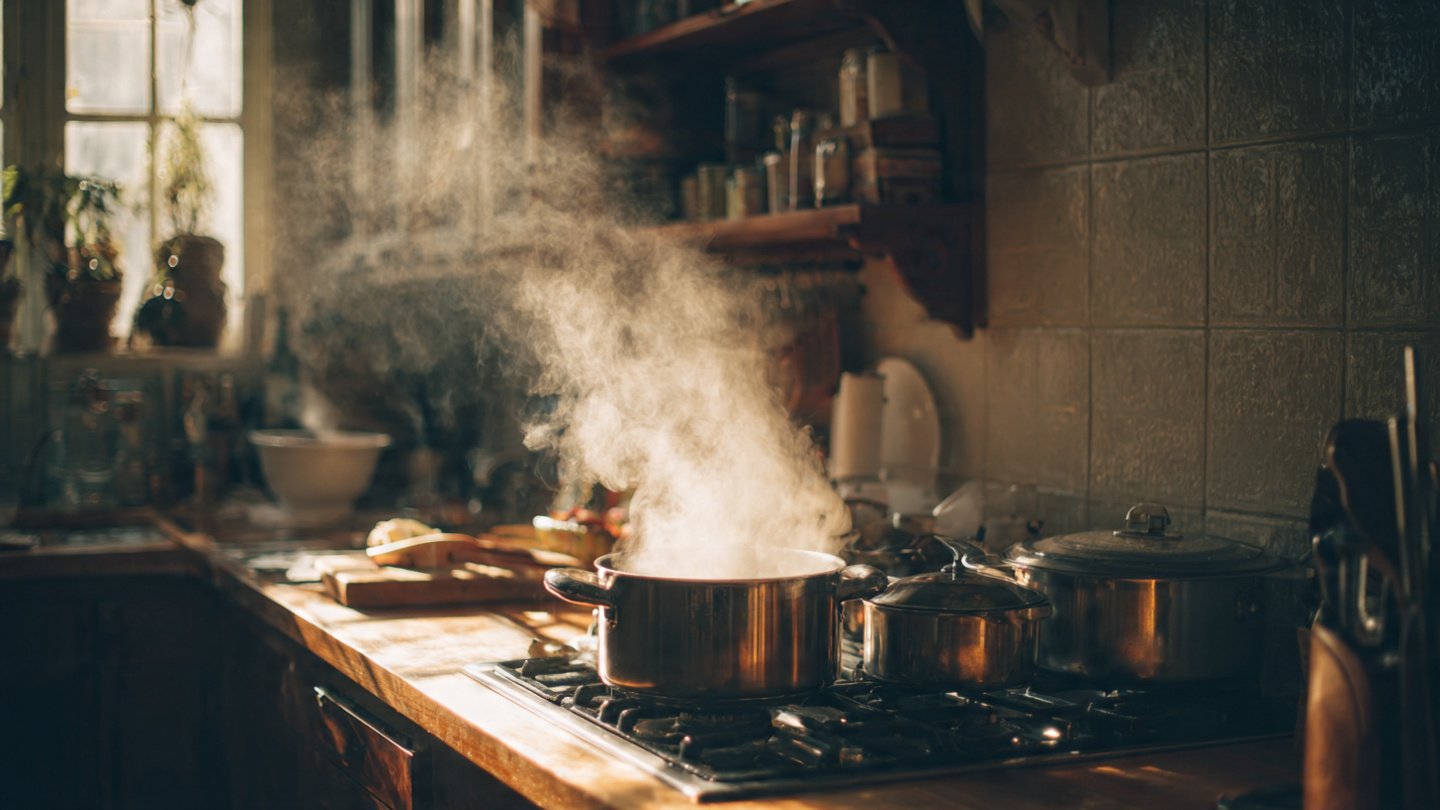
Cooking is an essential part of daily life, but it often transforms your cozy kitchen into a sweltering environment. As temperatures rise during meal preparation, the cozy space can become uncomfortable and even oppressive. Understanding why this happens and knowing how to alleviate the heat can make cooking a more enjoyable experience. This article will explore the reasons behind the warmth in your kitchen during cooking and provide practical solutions to keep the temperature down.
Why Does Your Kitchen Get Warm?
1. Heat from Appliances
One of the primary reasons your kitchen heats up is the use of cooking appliances. Stoves, ovens, and microwaves generate substantial heat during their operation.
- Ovens: Conventional and convection ovens create heat through electric or gas sources. In addition to their internal temperatures, they release hot air into the kitchen. The longer the cooking time, the more heat is added to your environment.
- Stovetops: Gas burners produce flames, while electric burners heat up, both contributing to the ambient heat. Cast iron cookware, in particular, retains and radiates heat even after being removed from the burner.
- Microwaves: Even though they emit less heat than traditional cooking methods, microwave ovens can still raise the room temperature, especially if used frequently in succession.
2. Heat Produced by Cooking Processes
Beyond the appliances, cooking itself generates heat through various processes:
- Boiling Water: Heating large pots of water for pasta, rice, or boiling vegetables can produce steam, which may feel even warmer than the air temperature.
- Baking: Baking bread or desserts can raise temperatures significantly, as the oven works to maintain high internal temperatures.
- Searing and Frying: Searing meats and frying foods can create a considerable amount of heat, pushing temperatures up. The splatter of hot oil can also add to the warmth, requiring additional cleaning and potential danger.
3. Limited Ventilation
Kitchens that lack proper ventilation are prone to heat buildup. Many kitchens are equipped with exhaust fans that aim to remove smoke, steam, and odors but may not effectively remove heat.
- Closed Windows and Doors: In well-insulated homes, keeping doors and windows shut can trap heat inside.
- Inefficient Range Hoods: If your range hood is not sufficiently powerful, or if it vents directly back into the kitchen, it may not adequately manage cooking heat.
4. Humidity
Cooking often involves water — in the form of boiling, steaming, or baking. This moisture contributes to humidity, which can make the air feel warmer and more oppressive. The combination of heat and humidity creates a less comfortable environment, often referred to as “heat index.”
How to Cool Down Your Kitchen
Now that we understand why kitchens get warm after cooking, let’s explore effective strategies to cool it down.
1. Improve Ventilation
Enhancing airflow can significantly reduce heat buildup.
- Use Exhaust Fans: Ensure that your kitchen is equipped with a powerful exhaust fan or range hood designed to expel heat and humidity effectively. Use it during and after cooking to draw hot air outside.
- Open Windows and Doors: Whenever possible, open windows and doors to create cross-breezes. This can help air circulate and cool your kitchen significantly.
- Utilize Ceiling Fans: If your kitchen has a ceiling fan, make sure it operates in the right direction (counterclockwise for summertime) to push cool air down.
2. Cook Strategically
Adapting your cooking strategies can have a huge impact on the heat generated by your kitchen.
- Use Smaller Appliances: Consider using slow cookers, pressure cookers, or Instant Pots, which generally produce less heat than traditional ovens or stovetops.
- Plan Meals Wisely: Limit the use of your oven during the hottest parts of the day. Grilling outdoors or preparing no-cook meals can significantly reduce kitchen heat.
- Batch Cooking: Prepare larger quantities of food and store them for later. This limits the number of times you’ll need to heat the kitchen throughout the week.
3. Use Heat-Resistant Cookware
Choosing the right cookware can also minimize heat generation.
- Use Glass or Ceramic Cookware: These materials tend to absorb less heat compared to metal cookware, helping to keep the kitchen cooler.
- Invest in Insulated Cookware: Insulated pots and pans can help retain heat inside, reducing the amount released into your kitchen.
4. Incorporate Cooling Appliances
Incorporating additional cooling devices can make a noticeable difference.
- Air Conditioners: If your kitchen is part of an open-concept living space, maintaining a cool room temperature with central air conditioning can prevent heat buildup.
- Portable Fans: Place box fans or oscillating fans strategically to circulate air effectively.
- Dehumidifiers: These can help remove excess moisture from the air, making it feel cooler and more comfortable.
5. Utilize Natural Cooling Techniques
Leveraging natural elements within your home environment can provide relief.
- Plant Integration: Plants can absorb heat and moisture, aiding in the cooling process. Consider adding ferns, peace lilies, or snake plants.
- Shaded Windows: Use blinds or shades to block direct sunlight. Heavy drapes can also insulate against heat from sunlight entering your kitchen.
- Rearranging Furniture: Ensure your kitchen layout promotes good airflow. Avoid placing large objects near heat sources.
6. Keep the Refrigerator Door Closed
Frequent opening of the refrigerator can force the appliance to work harder, generating heat.
- Plan Ahead: Gather ingredients before you begin cooking to limit the time spent with the refrigerator door open.
- Avoid Heat from the Fridge: Ensure that your refrigerator is away from cooking appliances. The heat from the stove can raise the refrigerator’s workload, contributing to heat.
7. Use Efficient Lighting
Lighting can inadvertently contribute to kitchen warmth.
- Switch to LED Bulbs: Unlike incandescent bulbs, which emit a lot of heat, LED lights keep your kitchen cooler.
- Use Natural Light: Utilize daylight as much as possible for cooking, which can reduce the need for artificial lighting.
Conclusion
Cooking is a vital part of daily life, but it doesn’t have to turn your kitchen into a sauna. By understanding the reasons behind the warmth generated in your cooking space and applying effective cooling solutions, you can create a more comfortable cooking environment. Whether it’s improving ventilation, adopting smarter cooking techniques, or utilizing efficient appliances, a variety of strategies can combine to keep the temperature down. So, the next time you fire up the stove or preheat the oven, remember these tips to keep your kitchen cool and enjoyable while exploring your culinary creativity.