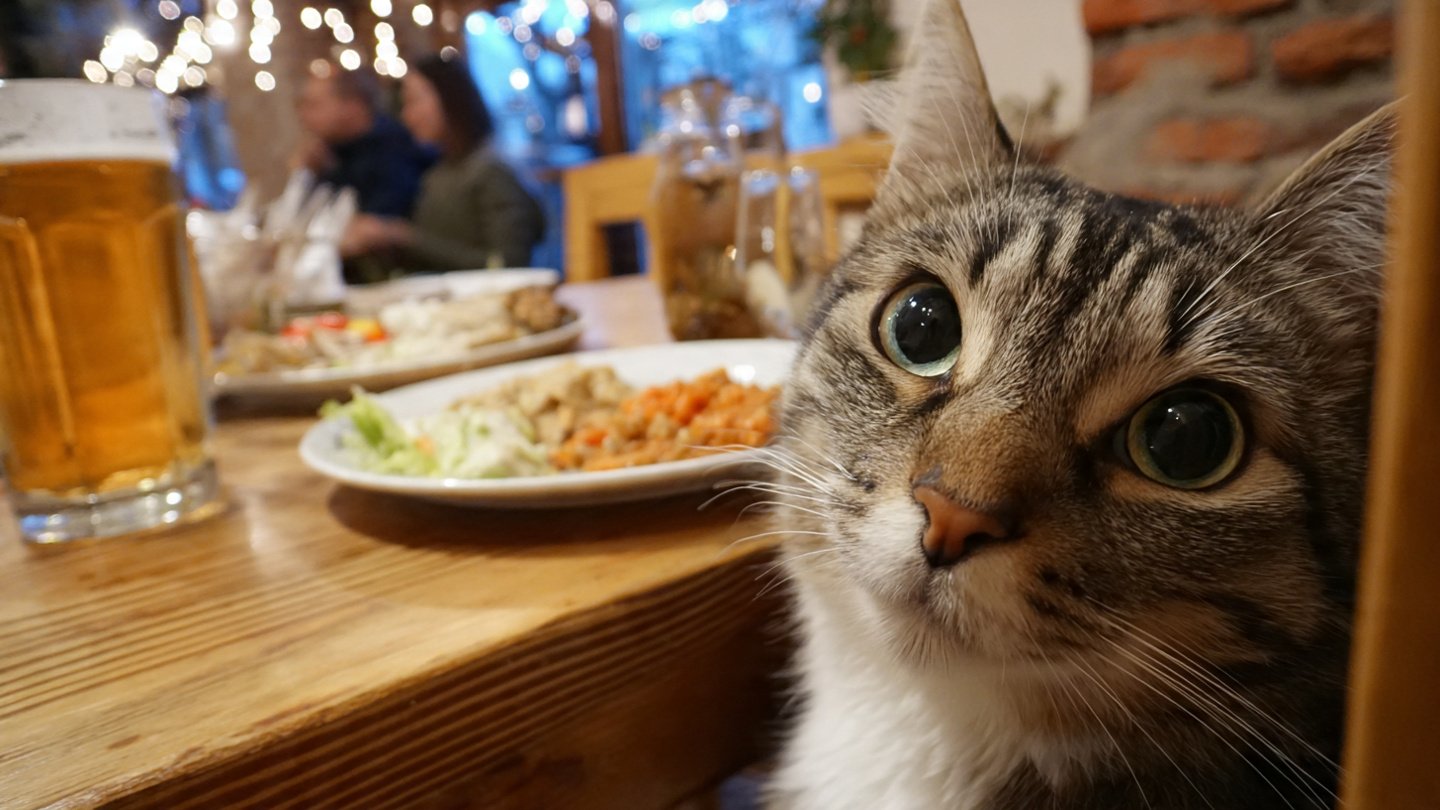
Many pet owners have experienced the peculiar sensation of being watched as they enjoy a meal, often accompanied by a pair of soulful eyes fixed intently on their every bite. This behavior, while seemingly innocuous or even endearing, can raise questions about why pets, particularly dogs and cats, exhibit this behavior. In this article, we will explore the reasons behind this habit, what your pet’s stare might mean, and how best to handle it.
Understanding the Behavior
1. Instinctual Traits
Pets, especially dogs, have evolved from ancestral wolves, which had to be preternaturally aware of their surroundings for survival. In the wild, feeding can be a time of vulnerability; hence, watching others while they eat was an instinctual trait. This built-in awareness remains in our domestic pets, making them keen observers of human eating habits.
2. Curiosity
Curiosity is at the heart of many pet behaviors. Pets are naturally inquisitive creatures and often find human food intriguing. The textures, aromas, and colors of our food are vastly different from their own, piquing their interest and prompting them to watch us as we eat.
3. Social Bonds and Communication
Staring while you eat can also be a form of social interaction. Pets have learned that watching you can elicit a response, whether it’s attention, a verbal cue, or even a scrap of food. This reinforces the behavior, making them more likely to gaze at you during meals in the future.
4. Hunger Motivation
If your pet is hungry or has learned that staring at you while you eat sometimes results in receiving food, they will likely reinforce this behavior. Animals have a remarkable ability to associate actions with outcomes, making the connection between your meal and their desire for food.
5. Learned Behavior
Many pets learn through positive reinforcement, where the behavior of staring has been rewarded in the past. If you have ever shared your meal with your furry friend, they will learn that this behavior might lead to additional snacks or treats.
What Pets Are Trying to Communicate
While staring can be harmless, it’s essential to understand what your pet might be trying to communicate through this behavior.
Attention-Seeking Behavior
If your pet is staring at you, it could be their way of seeking attention. Pets thrive on interaction and may feel neglected when they see you focusing on something else, such as your food. This gaze may be a gentle reminder that they’d like to be included in the moment.
Desire for Food
Many pets want to share in the feast when they see their human enjoying a meal. They may be expressing a desire for food, specifically wanting a taste of what you are eating. The aroma and visual appeal of your meal may be too tempting for them to resist, leading to a longing stare.
Affection and Bonding
Animals are social creatures, and staring can signal affection. Your pet may simply enjoy being near you and watching you in a moment of comfort. If they are relaxed and calm while gazing, it’s a sign of trust and affection.
The Impact of Training and Reinforcement
Training and Boundaries
Establishing boundaries around meal times is vital. Training your pet to stay in their designated area during your meals can prevent unwanted staring and begging. Positive reinforcement methods, such as rewarding them for staying in one spot while you eat, can help instill proper behavior over time.
Consistency is Key
Consistency in your reactions to your pet’s behavior will greatly influence how often they will stare at you during meals. If you occasionally give in to their pleading gaze and offer food, they will associate that stare with a chance of receiving food. Instead, maintaining a standard response will help them understand that staring will not yield results.
Health Considerations
While staring itself is generally a harmless behavior, it can sometimes signal underlying health issues. If your pet’s stare is accompanied by excessive vocalization, pacing, or other unusual behaviors, it may be wise to consult with a veterinarian to rule out any potential problems.
Nutritional Needs
Pets may also stare if they aren’t receiving the proper nutrients. A well-balanced diet is essential for your pet’s health and well-being. If your pet seems especially intent on your food, it could be a sign that they are not satisfied with their current diet.
Weight Management
Establishing a proper feeding routine is crucial. Over time, giving in to your pet’s demands for food can lead to unhealthy weight gain or poor eating habits. Monitoring your pet’s diet and incorporating appropriate portions can ensure they stay healthy while minimizing their attempts to beg.
Dealing with Staring Behavior
Managing Your Pet During Meals
When meal times arrive, having a set routine can help both you and your pet understand acceptable behavior. Here are some methods to manage staring during meals:
-
Designated Eating Areas: Create a specific spot where your pet can relax while you eat, such as a pet bed or a mat. This will establish a boundary for them.
-
Feeding Before You Eat: Try giving your pet their meal right before you have yours. This way, they won’t be hungry while you eat and won’t feel tempted to engage in staring behavior.
-
Distraction Techniques: Provide them with a chew toy or an interactive puzzle that keeps them occupied during your meal times.
-
Training Sessions: Use meal times as a training opportunity. Practice commands such as “stay” or “leave it,” rewarding them for obeying.
-
Consistent Responses: Maintain a consistent response whenever your pet stares at you while eating, reinforcing that this behavior is not effective in getting attention or snacks.
Conclusion
The behavior of staring during meal times can stem from a variety of instincts and emotions, ranging from curiosity and affection to hunger and trained responses. Understanding why your pet stares at you while you eat is essential for forming a better bond and managing their behavior appropriately. By establishing routines, creating boundaries, and considering their health and nutrition, you can both enjoy meal times without stress or disruption. Thus, the next time you find yourself under the gaze of your furry friend, you can appreciate the complexities of their behavior while maintaining a harmonious meal time.