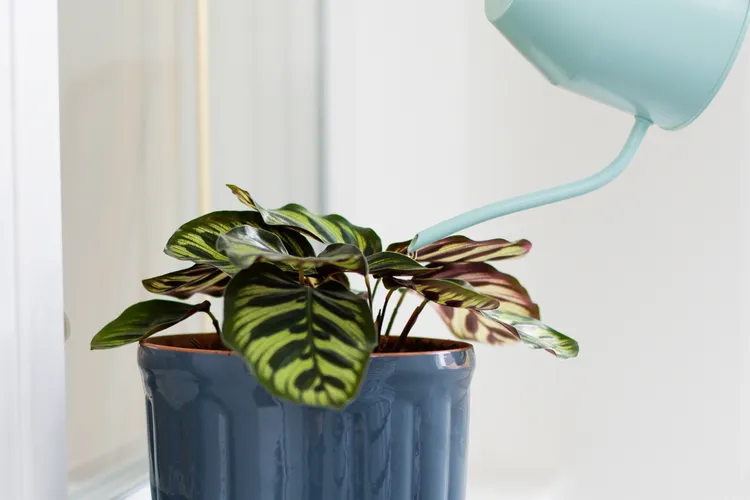
Water is the lifeblood of houseplants, but not all water is created equal. While tap water is convenient and easily accessible, its chemical content, hardness, and chlorine levels can stress or even damage certain sensitive houseplants. If you’ve ever noticed brown leaf tips, yellowing leaves, or stunted growth despite regular watering, the culprit may be your tap water.
Some plants are particularly sensitive to minerals, fluoride, or chlorine commonly found in municipal water supplies. Knowing which houseplants require alternative water sources and how to care for them ensures they remain healthy, vibrant, and thriving. In this guide, we’ll cover five houseplants that don’t do well with tap water and provide tips to keep them flourishing.
1. Calatheas – The Sensitive Leaf Dancers
Calatheas are beloved for their striking, patterned leaves that move in response to light, earning them the nickname “prayer plants.” However, they are extremely sensitive to tap water:
- Why tap water harms them: Calatheas react poorly to fluoride, chlorine, and high mineral content, which can cause brown leaf edges and tips.
- Signs of water stress: Curling leaves, yellow spots, or crispy brown edges.
- Solution: Use filtered, distilled, or rainwater. Let water sit overnight to allow chlorine to evaporate if using tap water.
In addition to water quality, calatheas thrive in bright, indirect light and high humidity, so pairing the right watering method with proper environmental conditions is key to keeping them healthy.
2. Peace Lilies – The Blooming Beauties
Peace lilies (Spathiphyllum) are popular for their low-maintenance care and elegant white blooms, but they can be surprisingly fussy about water:
- Why tap water is an issue: Fluoride and chlorine can lead to brown leaf tips and reduce flowering.
- Signs of stress: Browning edges on new leaves and fewer flowers than expected.
- Solution: Use distilled, filtered, or collected rainwater. Water when the top inch of soil feels dry, and avoid letting the plant sit in stagnant water.
Peace lilies also appreciate moderate humidity and well-draining soil, so combining proper watering with environmental care helps them thrive.
3. Spider Plants – The Resilient Yet Sensitive Growers
Spider plants (Chlorophytum comosum) are famous for their arch-shaped leaves and tiny offshoots, but tap water can sometimes hinder their growth:
- Why tap water can harm them: Fluoride and excessive minerals may cause brown leaf tips and inhibit flower production.
- Signs of water stress: Browning tips, leaf curling, or stunted growth.
- Solution: Use rainwater, distilled water, or allow tap water to sit for 24 hours to let chemicals evaporate.
Spider plants are otherwise hardy and forgiving, so correcting water quality often results in rapid recovery and healthy new growth.
4. Fiddle Leaf Figs – The Tall Trendy Statement Plants
Fiddle leaf figs (Ficus lyrata) have become a modern houseplant icon thanks to their bold leaves and dramatic height. But they can be finicky when it comes to water quality:
- Why tap water is problematic: Chlorine, fluoride, and hard water minerals can lead to leaf tip burn and brown spots.
- Signs of water stress: Drooping, brown leaf edges, or leaves falling unexpectedly.
- Solution: Use filtered, rain, or distilled water. Let water reach room temperature before applying, as sudden cold tap water can shock roots.
Combined with proper lighting (bright, indirect light) and well-draining soil, water quality ensures lush, healthy foliage.
5. Boston Ferns – The Humidity-Loving Plants
Boston ferns (Nephrolepis exaltata) are admired for their feathery fronds and lush texture, but they are extremely sensitive to water quality:
- Why tap water can harm them: Fluoride, chlorine, and high mineral content can cause frond tips to turn brown or curl.
- Signs of stress: Fronds losing their vibrant green color, crispy edges, or slow growth.
- Solution: Use distilled or rainwater, and maintain consistently moist soil without waterlogging.
Boston ferns also thrive in high humidity and indirect light, so combining proper watering with a humid environment keeps them flourishing.
Tips for Watering Sensitive Houseplants
- Collect and Use Rainwater: Rainwater is naturally soft, free from chlorine and fluoride, and ideal for sensitive plants.
- Use Distilled or Filtered Water: Affordable and convenient, especially in urban settings where rainwater may not be readily available.
- Let Tap Water Sit: Allowing water to sit for 24 hours reduces chlorine levels. Be aware that this does not remove fluoride or minerals.
- Check Soil Moisture: Always water based on soil needs rather than a schedule. Overwatering can stress sensitive plants even with perfect water.
- Avoid Hard Water Build-Up: In hard water areas, minerals can accumulate in soil over time, leading to nutrient imbalances. Flush soil occasionally with distilled water to prevent build-up.
Environmental Factors That Amplify Water Sensitivity
Even plants that tolerate tap water can struggle if environmental conditions are poor. Consider these factors:
- Humidity: Low indoor humidity exacerbates leaf tip browning. Increase humidity with trays of water, pebble trays, or a humidifier.
- Temperature Fluctuations: Sensitive plants react poorly to cold drafts or sudden heat, making them more vulnerable to water-related stress.
- Lighting: Inadequate light can compound the effects of poor water quality, leading to stunted growth and weak leaves.
By creating the ideal microenvironment, even sensitive houseplants thrive when given the correct water type.
Signs Your Water May Be Harming Plants
- Brown or crispy leaf tips
- Yellowing or spotting leaves
- Slow growth or stunted development
- Leaf drop or curling
If you notice these symptoms, consider switching to filtered, distilled, or rainwater and monitor improvement over several weeks. Many plants respond quickly once proper water is provided.
Final Thoughts
Tap water is convenient, but for sensitive houseplants like calatheas, peace lilies, spider plants, fiddle leaf figs, and Boston ferns, it can cause more harm than good. By choosing the right water source and monitoring plant health, you can ensure your indoor garden remains lush, vibrant, and healthy.
Using rainwater, distilled water, or properly treated tap water allows these plants to thrive, grow strong, and produce beautiful foliage and blooms. Understanding the unique needs of each plant is key — after all, your houseplants are more than decoration; they’re living companions that respond to the care you provide.