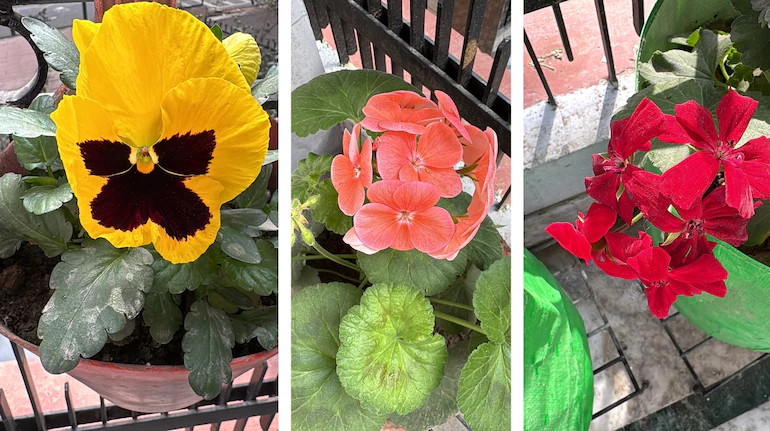
Petunias are one of the most popular flowering plants for balconies, terraces, and patios, thanks to their vivid colors, long blooming period, and versatility. Whether you want cascading blooms in hanging baskets or upright flowers in containers, petunias can brighten any outdoor space.
The key to a stunning balcony display lies not only in planting them correctly but also in nurturing them consistently. With proper care, you can enjoy petunia blooms for months, adding color and cheer to your home environment.
Here’s a comprehensive guide with 8 simple tips to grow and maintain petunias in balcony pots and containers.
1. Choose the Right Variety for Your Container
Petunias come in several types, each suited for different container styles:
- Grandiflora: Large, showy flowers; best for larger pots and hanging baskets
- Multiflora: Smaller blooms, bushy growth; ideal for full container displays
- Spreading/Cascading: Trailing habit; perfect for railings and hanging baskets
Selecting the right variety ensures your balcony arrangement looks balanced and thrives in the available space.
2. Use Quality Potting Mix
Petunias prefer well-draining soil rich in organic matter. A good potting mix:
- Holds moisture without becoming soggy
- Provides essential nutrients for flowering
- Prevents root rot
Consider mixing in compost or slow-release fertilizer to provide a steady nutrient supply over time. Avoid garden soil in containers, as it can compact and suffocate roots.
3. Pick the Right Pot and Ensure Drainage
Container choice impacts petunia growth significantly. Key points:
- Use pots with drainage holes to prevent waterlogging
- Choose containers that are large enough to accommodate root growth (at least 10–12 inches in diameter for mature plants)
- Hanging baskets should support the plant’s weight when fully grown and watered
Good drainage keeps roots healthy and reduces the risk of fungal diseases.
4. Provide Plenty of Sunlight
Petunias are sun-loving plants, requiring at least 5–6 hours of direct sunlight daily for optimal blooms.
- Place pots on balcony edges or railings where sunlight is abundant
- If sunlight is limited, rotate pots regularly to ensure even growth
- Morning sun is ideal; afternoon shade can protect flowers from scorching in hot climates
Adequate sunlight encourages vibrant colors and prolonged flowering.
5. Water Correctly
Proper watering is crucial for petunias:
- Water deeply but infrequently, allowing the soil to dry slightly between waterings
- Avoid splashing water on flowers to reduce the risk of fungal infections
- Hanging baskets may need daily watering in hot weather, while larger pots may require less frequent attention
Consistent moisture without waterlogging promotes strong roots and abundant blooms.
6. Fertilize Regularly
Petunias are heavy feeders. Fertilization keeps them blooming longer and healthier:
- Use a balanced, water-soluble fertilizer every 2–3 weeks
- For continuous flowering, choose a fertilizer high in phosphorus, which supports flower production
- Avoid excessive nitrogen, which encourages leaf growth at the expense of blooms
Slow-release fertilizers can also work well, particularly for larger pots, reducing maintenance effort.
7. Deadhead and Prune Regularly
Deadheading — removing spent flowers — is essential for long-lasting blooms:
- Pinch or cut faded flowers just above the first set of healthy leaves
- Trim leggy stems to encourage bushier growth
- Regular pruning helps petunias direct energy toward producing new flowers rather than seeds
Consistent deadheading keeps the plant looking fresh and extends its flowering period.
8. Protect from Pests and Diseases
Petunias can attract pests like aphids, caterpillars, and spider mites. They can also suffer from fungal infections such as powdery mildew. Prevention tips:
- Inspect plants regularly for signs of pests
- Spray affected areas with mild insecticidal soap or neem oil
- Avoid overwatering and ensure good airflow around pots to prevent fungal growth
- Remove damaged leaves promptly
Healthy plants are more resilient and maintain their vibrant blooms longer.
Extra Tips for Balcony Success
- Companion Planting: Combine petunias with other flowering plants or herbs like marigolds or basil for added beauty and pest protection.
- Rotation: Rotate pots occasionally to ensure all parts of the plant receive adequate sunlight.
- Support Trailing Varieties: Use trellises or rail hooks for cascading petunias to prevent breakage and maximize display.
- Seasonal Care: In colder regions, bring pots indoors or protect them from frost. In hot summers, provide afternoon shade.
Why Petunias Are Perfect for Balconies
Petunias are ideal for container gardening because they are:
- Compact and manageable: Perfect for small spaces
- Long-blooming: Flowers appear continuously for months with proper care
- Colorful: Available in almost every color, including mixed varieties
- Easy to maintain: Once planted, basic care is sufficient for sustained growth
Their adaptability makes them a favorite for both beginner and experienced gardeners.
Caring for Petunias Year-Round
- Spring: Plant young seedlings in pots with fresh soil; begin regular fertilization
- Summer: Water deeply, deadhead spent blooms, and check for pests frequently
- Autumn: Reduce fertilization gradually; trim leggy stems and remove dead foliage
- Winter: In frost-prone areas, bring pots indoors or use frost covers; some varieties may survive mild winters outside
Following seasonal care ensures continuous beauty and healthy growth for years.
Final Thoughts
Petunias are versatile, cheerful, and relatively low-maintenance, making them ideal for balcony pots and containers. By following these 8 simple tips — from choosing the right variety and potting mix to regular pruning and fertilization — you can enjoy vibrant, long-lasting blooms throughout the growing season.
With the right care, your balcony can become a colorful haven of cascading flowers and lush foliage, brightening your home and welcoming friends, family, and pollinators alike