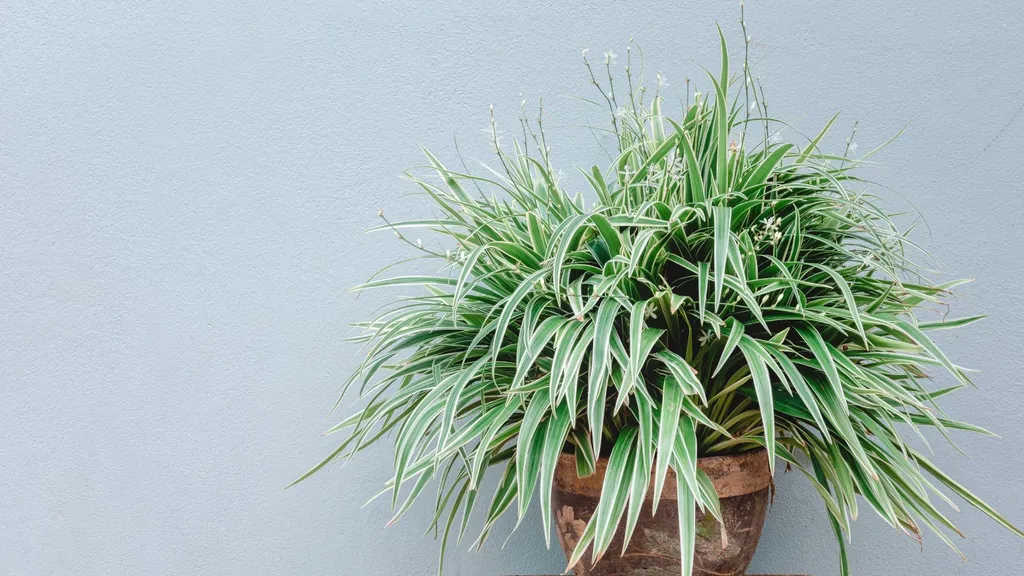
Spider plants (Chlorophytum comosum) are a favorite for indoor gardeners everywhere. With their graceful arching leaves and easy-care nature, they are often grown purely for their striking foliage and ability to produce “babies” or plantlets. But did you know that spider plants can actually flower? Those small, star-shaped white blooms not only add beauty to your indoor space but also indicate a happy, healthy plant.
Getting your spider plant to flower requires more than just good luck — it’s about creating the right conditions, providing proper care, and understanding the plant’s natural rhythms. This guide will cover three essential tips to help your spider plant bloom this spring and keep it thriving year-round.
Why Spider Plants Sometimes Don’t Flower
Before diving into the tips, it’s helpful to understand why spider plants may refuse to bloom:
- Age of the Plant
Spider plants typically need to mature before flowering. Most indoor plants produce flowers after 1–2 years of growth or when they’ve produced several plantlets. - Environmental Stress
Conditions like insufficient light, irregular watering, or sudden temperature changes can prevent flowering. Healthy, happy plants are much more likely to bloom. - Pot Size
Interestingly, spider plants often bloom more readily when slightly root-bound. A pot that is too large can encourage leaf growth at the expense of flowers.
Understanding these factors helps you create the ideal environment to trigger blooming.
Tip 1: Provide Bright, Indirect Light
Light is one of the most critical factors for encouraging flowers:
- Optimal lighting: Spider plants thrive in bright, indirect light. Too little light results in lush leaves but few or no flowers.
- Avoid direct sun: Direct sunlight can scorch the leaves, causing stress and reducing flowering potential.
- Rotation: Rotate your plant occasionally to ensure all sides receive equal light.
If natural light is limited during early spring, supplement with fluorescent or LED grow lights for 10–12 hours per day to mimic spring conditions. Proper light encourages the plant to shift energy from leaf growth to flower production.
Tip 2: Manage Watering and Fertilization Carefully
Balanced watering and nutrition are essential for flowering:
Watering
- Keep the soil evenly moist but not waterlogged. Overwatering can lead to root rot and under-watering can stress the plant, preventing flower formation.
- Allow the top inch of soil to dry slightly between waterings. This slight stress can sometimes stimulate blooming.
Fertilization
- Spider plants benefit from a balanced, water-soluble fertilizer (10-10-10 or 20-20-20) during the growing season.
- Avoid over-fertilizing with nitrogen, as this encourages leaf growth but suppresses flowers.
- Fertilize every 2–4 weeks in spring and summer, reducing frequency in fall and winter.
A consistent nutrient regimen supports energy-intensive flower production while keeping the foliage healthy.
Tip 3: Encourage a Slight Dormancy or Mild Stress
Interestingly, spider plants often flower after experiencing a mild period of stress or dormancy:
- Cooler Temperatures: Exposing your spider plant to slightly cooler nights (around 55–60°F / 13–16°C) can stimulate flowering.
- Root Bound Condition: Slightly crowded roots encourage the plant to reproduce, sometimes triggering flowers. Avoid repotting too early if you want blooms.
- Moderate Drying: Allowing the soil to dry slightly between waterings in early spring can signal the plant that it’s time to bloom.
These mild stresses mimic natural conditions in the plant’s native South African environment, where flowering is triggered by seasonal changes.
Additional Care Tips for Flowering Spider Plants
- Prune Old Leaves
- Remove brown or damaged leaves to focus energy on healthy foliage and potential flower spikes.
- Support Flower Spikes
- Spider plants produce thin, arching stalks called peduncles. Flowers form along these stems.
- You can stake longer flower spikes if needed to prevent breakage.
- Be Patient
- Even under ideal conditions, not every plant will flower every year.
- Flowering is often unpredictable, but maintaining a healthy routine increases the chances each spring.
- Repot Occasionally
- Repot only when necessary. Spider plants that are slightly root-bound often bloom better than those in oversized pots.
Why Flowering Matters
- Aesthetic Appeal: The delicate white flowers add elegance and contrast to the lush green foliage.
- Indicates Plant Health: Flowering shows your spider plant is mature, well-cared-for, and thriving.
- Encourages Plantlets: Some spider plants produce more babies after flowering, helping you propagate new plants.
Flowers are not just decorative — they are a sign that your plant is happy and thriving.
Common Flowering Problems and How to Fix Them
- No Flowers After Years
- Likely causes: Too little light, excessive nitrogen, or overly large pot.
- Fix: Move to a brighter spot, reduce fertilizer, and let the plant become slightly root-bound.
- Flowers Drop Prematurely
- Likely causes: Sudden temperature changes, overwatering, or low humidity.
- Fix: Maintain consistent indoor conditions, avoid drafts, and water carefully.
- Weak Flower Stems
- Likely causes: Lack of light or overcrowding.
- Fix: Provide more light and prune crowded leaves for better airflow.
Propagation After Flowering
Once your spider plant flowers and produces plantlets:
- Harvest babies: Remove and plant in small pots with well-draining soil.
- Use flower spikes: While the flowers fade, the stalks can still provide energy to produce additional plantlets.
- Share or gift plants: Flowering spider plants are often more appealing for gifting due to their vibrant foliage and blooms.
Flowering is a natural progression that can expand your indoor garden.
Final Thoughts
Spider plants are often celebrated for their foliage, ease of care, and ability to produce plantlets. However, with the right light, balanced watering and fertilization, and mild seasonal stress, these versatile plants can surprise you with delicate, star-shaped blooms in spring.
Flowering spider plants are not only beautiful but also a sign of maturity and health, rewarding patient gardeners with months of green, cascading leaves and charming flowers. By following these three essential tips — light, water/fertilizer balance, and mild stress encouragement — you can enjoy the rare and delightful sight of your spider plants in bloom this spring