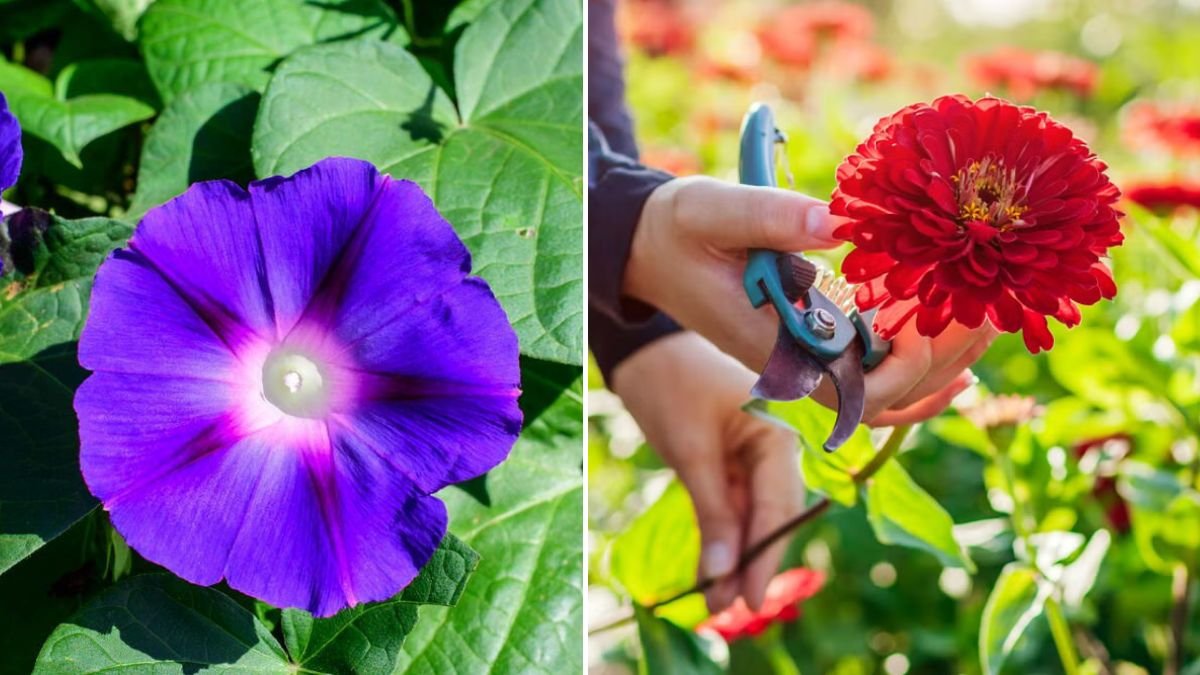
For many gardeners, seeing flowers in the middle of winter can be both delightful and puzzling. Snow may still cover the ground, frost may glint on garden beds, and yet some plants defy the cold and bloom in January. While it may feel unusual, these winter bloomers are perfectly normal, adding color, fragrance, and life to the dullest days of the year.
In this guide, we’ll explore five flowers that are meant to bloom in January, why they flourish during the cold, and how you can care for them to enjoy a vibrant winter garden.
Why Some Flowers Bloom in Winter
Several factors allow certain plants to thrive and bloom in January:
- Cold Tolerance: Some species are naturally adapted to withstand frost and snow.
- Shorter Daylight Sensitivity: Winter bloomers can flower with fewer daylight hours.
- Dormancy Cycles: These plants often have dormant periods that end just before winter, triggering early blooms.
- Microclimates: Sunny spots, sheltered garden corners, or indoor containers can provide warmth and protection for blooms.
Understanding these factors helps gardeners appreciate early blooms rather than panic.
1. Camellias (Camellia japonica and Camellia sasanqua)
- Bloom Time: Late fall through January, depending on variety.
- Care Tips:
- Prefers partial shade and well-drained, acidic soil.
- Mulch to retain moisture and protect roots from frost.
- Prune lightly after flowering to shape plants.
- Highlight: Camellias produce roselike, vibrant blooms that brighten winter gardens, with colors ranging from soft pinks and whites to deep reds.
Gardeners love camellias for their longevity and elegant flowers, which make the gray winter landscape feel alive.
2. Hellebores (Helleborus spp.)
- Bloom Time: December through early spring.
- Care Tips:
- Plant in partial to full shade with humus-rich, well-drained soil.
- Protect from strong winds and heavy snow if possible.
- Remove old foliage to reveal blooms.
- Highlight: Often called “Christmas rose” or “Lenten rose,” hellebores offer delicate nodding flowers in shades of white, pink, purple, and green.
Hellebores are extremely cold-hardy, making them reliable winter bloomers that thrive even in frosty conditions.
3. Winter Jasmine (Jasminum nudiflorum)
- Bloom Time: December through February.
- Care Tips:
- Full sun or partial shade; tolerates a range of soils.
- Water moderately; prune after flowering to encourage new growth.
- Highlight: Bright yellow blooms appear on bare stems, creating cheerful color against the winter landscape.
Winter jasmine is appreciated for its hardiness, low maintenance, and early burst of color when most plants are dormant.
4. Witch Hazel (Hamamelis spp.)
- Bloom Time: Late December through February.
- Care Tips:
- Prefers full sun to partial shade and well-drained soil.
- Minimal pruning needed; prune after flowering if necessary.
- Highlight: Unique spidery blooms in yellow, red, or orange appear even in freezing temperatures, often with a fragrance that cuts through winter air.
Witch hazel is both ornamental and fragrant, adding structure and intrigue to winter gardens.
5. Snowdrops (Galanthus spp.)
- Bloom Time: Late January to early February, depending on climate.
- Care Tips:
- Plant bulbs in well-drained soil; full sun to partial shade.
- Avoid disturbing bulbs once planted; they naturalize over time.
- Highlight: Small, delicate white flowers emerging through snow symbolize hope and the first signs of spring.
Snowdrops are iconic winter bloomers and often inspire gardeners to embrace the quiet beauty of the season.
Why You Shouldn’t Panic
Seeing blooms in January can feel unusual, but gardeners emphasize that it’s completely natural for certain flowers. Some reasons not to worry include:
- Winter bloomers are adapted to cold weather. They often thrive while other plants rest.
- Early blooms don’t necessarily indicate stress. Frost, snow, or shortened days do not harm these species.
- Winter blooms encourage wildlife. Birds and pollinators may benefit from nectar and shelter during harsh months.
- They bring joy and color. Even small patches of winter flowers can brighten gray days.
By understanding the natural cycles of winter-blooming plants, gardeners can relax and enjoy the unexpected beauty.
Tips for Supporting Winter Blooms
- Choose Protected Spots: Plant near walls, fences, or in sheltered garden corners to shield blooms from harsh winds.
- Use Mulch: Protect roots and retain soil warmth by adding a 2–3 inch layer of mulch.
- Water Carefully: Water only when soil isn’t frozen; avoid overwatering.
- Fertilize Sparingly: Heavy fertilization is not usually needed; light feeding in late winter may help early bloomers.
- Watch for Pests: Winter pests are less common, but check for snails or slugs near milder winter days.
- Support Long-Lived Blooms: Some winter flowers may droop under snow; gentle stakes or supports can protect delicate stems.
Indoor Winter Blooms
Some gardeners also enjoy indoor blooms in January, including:
- Amaryllis: Produces striking, trumpet-shaped flowers in a range of colors.
- Paperwhite Narcissus: Easy-to-grow bulbs with fragrant white flowers.
- Cyclamen: Compact plants with heart-shaped leaves and vibrant flowers.
These indoor options allow gardeners to bring color inside when outdoor conditions are harsh.
Conclusion
January may seem like a bleak month for gardeners, but several plants naturally bloom in the dead of winter, adding color, fragrance, and life when it’s needed most. From camellias and hellebores to snowdrops and witch hazel, these winter bloomers defy the cold and provide inspiration for first-time and experienced gardeners alike.
Rather than panic when flowers appear unexpectedly in January, embrace them as a reminder of nature’s resilience. With proper care, winter blooms can enhance your garden, lift spirits, and even support early wildlife, making the gray days of winter far more vibrant and enjoyable.