1. Peas
Peas are among the earliest vegetables you can plant. They are hardy, cool-season crops that tolerate light frosts, making them ideal for January sowing in mild climates. You can sow them directly into garden beds if the soil is workable, or start them indoors in containers for transplanting later.
Peas prefer fertile, well-draining soil and benefit from support structures such as trellises or cages as they grow. By planting in January, you can harvest sweet, tender peas before many other vegetables are ready, giving you a head start on fresh spring produce.
2. Onions
Onions require a long growing season, so starting them in January is essential for an early harvest. You can sow onion seeds indoors or plant onion sets (small bulbs) directly in the soil if conditions permit.
When starting indoors, use seed trays and keep them under bright light to encourage strong growth. Ensure the soil remains consistently moist but not waterlogged. By the time spring arrives, your onions will have well-established roots and are ready for transplanting, leading to larger bulbs and a more productive crop.
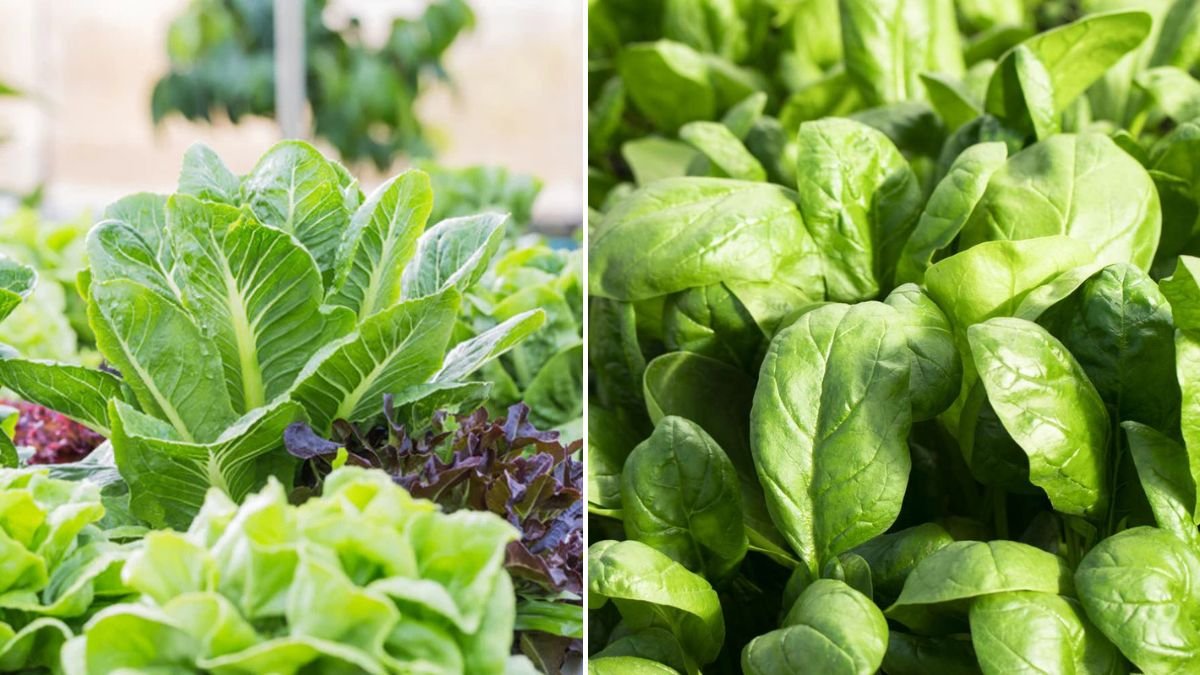
3. Leafy Greens (Lettuce, Spinach, Arugula)
Leafy greens such as lettuce, spinach, and arugula thrive in cool conditions and are perfect for January planting. These crops germinate quickly and can be grown indoors in seed trays or under grow lights if outdoor conditions are too harsh.
Leafy greens prefer fertile, loose soil and consistent moisture. By starting them early, you can enjoy a continuous supply of fresh salad greens before outdoor planting becomes ideal for other vegetables. Rotating harvests by cutting outer leaves also encourages ongoing growth.
4. Bell Peppers
Although peppers are traditionally warm-season crops, starting them indoors in January gives them the long growing period they need to produce fruit. Bell peppers benefit from bright, consistent light and warm temperatures while indoors.
Start seeds in small pots or seedling trays, keeping them in a temperature range of 70–75°F (21–24°C). Once seedlings develop several true leaves and outdoor temperatures are suitable, transplant them to your garden or larger containers. Early starting ensures peppers reach maturity in time for a full summer harvest.
5. Brassicas (Broccoli, Kale, Cabbage)
Cool-season brassicas like broccoli, kale, and cabbage are ideal for early planting. They tolerate cooler temperatures and benefit from being started early to ensure they reach maturity during spring and early summer.
Starting brassicas indoors in seed trays or small pots allows seedlings to develop strong roots and leaves before transplanting outdoors. They prefer fertile, well-draining soil enriched with compost. With proper care, these crops will produce tender, nutritious greens and hearty heads early in the season.
6. Carrots
Carrots are versatile root vegetables that can be planted early in regions where the soil is workable. Loose, sandy, well-draining soil ensures that roots grow straight and tender.
Some gardeners start carrots indoors in deep containers if outdoor soil is too cold, then transplant seedlings once conditions improve. By planting carrots in January, you can harvest sweet, early roots well before the main spring planting season, giving your kitchen a head start on fresh produce.
7. Root Vegetables (Radishes, Turnips, Beets)
Fast-growing root vegetables like radishes, turnips, and beets are excellent choices for January sowing. They germinate quickly and thrive in cool soils, producing a colorful, early harvest.
Radishes can be harvested in as little as three to four weeks, while turnips and beets take slightly longer. By sowing early, you can enjoy a continuous supply of fresh, crisp roots throughout late winter and early spring. These vegetables are also ideal for succession planting, allowing you to stagger crops for extended harvests.
8. Spinach
Spinach is a hardy, cold-tolerant green that can be sown indoors or directly outdoors depending on your climate. It grows rapidly, making it one of the earliest crops to harvest in spring.
To ensure strong growth, provide spinach with fertile, well-draining soil and consistent moisture. Indoors, use seed trays under grow lights if natural light is limited. By planting in January, you’ll enjoy fresh spinach leaves weeks before traditional outdoor planting is possible, giving your salads, smoothies, and sautés a nutritional boost.
Tips for a Successful January Planting
Know Your Climate Zone
Understanding your USDA hardiness zone is essential for successful early planting. Crops like peas, leafy greens, and root vegetables tolerate cold better, while peppers and tomatoes require indoor starts to thrive.
Use Grow Lights and Cold Frames
In regions with limited winter sunlight, grow lights ensure seedlings receive sufficient light for strong growth. Cold frames or cloches can protect outdoor plants from frost, extending the growing season.
Plan with Your Last Frost Date
Work backward from your area’s average last frost date to determine sowing windows. Long-season crops like onions and peppers should be started indoors early, while fast-growing vegetables like radishes and lettuce can be direct-sown closer to spring.
Maintain Proper Soil and Watering
Even in winter, soil preparation is key. Ensure soil is well-draining and enriched with organic matter. Consistent moisture is crucial, but avoid waterlogged conditions, which can lead to root rot.
Authoritative Sources
For more detailed guidance on January planting and early harvests, these sources are highly recommended:
- The Spruce – Vegetables to Plant in January – Comprehensive guide for beginner and experienced gardeners.
- Gardening Know How – Vegetables to Plant in January – Practical seed-starting and planting advice.
- Homestead Gardener – Winter Vegetable Planting – Tips on cold-hardy crops and indoor sowing.
Final Thoughts
January is the perfect month for gardeners who want a head start on spring. By planting these 8 vegetables in January for a head start on your spring harvest, you can enjoy earlier, fresher produce while maximizing your garden’s potential. Whether starting indoors, protecting crops with cold frames, or planting directly in milder regions, careful planning ensures your garden is productive and vibrant.
Starting now gives your garden a competitive advantage, resulting in a more abundant, early harvest that benefits both your kitchen and your enjoyment of gardening. With consistent care, proper lighting, and attention to climate conditions, you’ll be rewarded with a thriving spring garden weeks ahead of schedule.