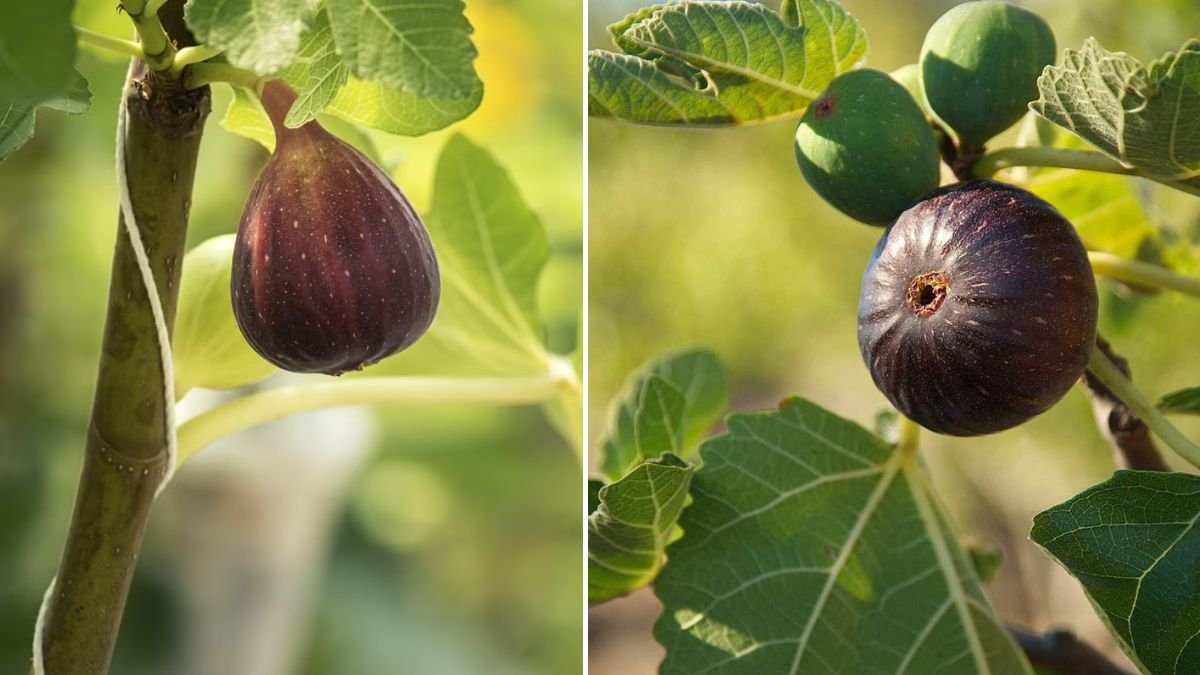
Why fig trees suit low-effort gardening
Figs (Ficus carica) are naturally tough. Once established, they cope well with drought, tolerate imperfect soil, and keep producing fruit even when neglected for a while. Unlike apples or peaches, which need regular spraying, pruning, and pest control, figs are relatively pest-resistant and don’t demand complex maintenance. They also fruit on new growth, so even if winter cold or an enthusiastic gardener removes branches, the tree can still bounce back and bear fruit the same year. This forgiving nature is a big part of their appeal to beginners and “lazy” gardeners alike.
Choosing the right spot
Sun is the key ingredient for figs. They need at least six to eight hours of direct sunlight every day to grow well and to ripen fruit properly. A warm, sheltered location—such as near a south-facing wall or fence—is ideal. Walls absorb heat during the day and release it at night, creating a mini microclimate that helps figs thrive, especially in cooler regions. In very hot climates, figs also appreciate good air circulation, which reduces stress on the leaves and helps prevent fungal problems.
Soil matters too, but not in a complicated way. Figs prefer well-draining soil with a slightly acidic to neutral pH. Heavy clay can cause water to sit around the roots, leading to rot, while extremely sandy soil dries out too fast. Mixing compost or well-rotted manure into the planting hole improves drainage and fertility, giving the tree a healthy start without requiring much future feeding.
Planting a fig tree
The best time to plant a fig tree is late winter to early spring, while the plant is still dormant. This gives roots time to establish before active growth begins. Dig a hole that is wider and slightly deeper than the root ball, place the tree so it sits at the same depth it grew in its nursery pot, and backfill with soil mixed with compost. Water well after planting to remove air pockets and help roots settle.
Spacing is important. Fig trees can grow quite large—often 10 to 20 feet tall and wide—so plant them at least that far from other trees or structures unless you plan to keep them pruned or grow them in containers.
Watering: simple but smart
One of the main reasons fig trees are so easy is that they don’t need frequent watering once established. Young trees should be watered regularly during their first growing season so they develop deep roots. After that, figs are surprisingly drought-tolerant. Deep watering once a week in dry weather is usually enough. The top few inches of soil should dry out between waterings.
Overwatering is a bigger problem than underwatering. Too much moisture can cause root diseases and dilute the flavor of the fruit. If leaves turn yellow and drop, soggy soil is often the culprit. Allowing the soil to dry slightly keeps the tree healthy and encourages sweeter figs.
Feeding without fuss
Figs are not heavy feeders. In fact, too much fertilizer can result in lush leafy growth but fewer fruits. A light feeding in early spring and again in midsummer is usually plenty. A balanced slow-release fertilizer or organic compost spread around the base of the tree works well. Gardeners who prefer a natural approach often rely on compost alone, which provides steady nutrients without the risk of overfeeding.
Growing figs in containers
For truly low-maintenance gardening, growing figs in containers is a popular option. Container-grown figs are easier to control in size, simpler to protect from winter cold, and often produce fruit more quickly because their roots are slightly restricted. A pot that holds at least 15 to 20 gallons of soil is ideal, with plenty of drainage holes at the bottom.
Use a well-draining potting mix that includes compost for nutrition and sand or perlite for drainage. Place the pot in a sunny spot, and water when the top inch of soil feels dry. Every two or three years, repot the tree into a slightly larger container or refresh the soil to keep roots healthy.
Pruning: less work than you think
Fig trees don’t need complicated pruning. A light trim once a year is enough to keep them productive and manageable. Late winter or early spring, before new growth starts, is the best time. Remove dead or damaged branches, thin out crowded growth, and shorten overly long branches to keep the tree’s shape tidy.
Because figs produce fruit on new growth, pruning actually helps encourage better harvests. Even gardeners who aren’t confident pruners usually find figs forgiving—small mistakes rarely cause serious problems.
Avoiding common mistakes
While figs are easygoing, a few simple mistakes can limit success. Poor drainage is the most serious problem; planting in waterlogged soil can quickly kill a fig tree. Overwatering is another frequent error, leading to root issues and bland-tasting fruit. Planting in too much shade can also reduce fruit production, so always prioritize sunlight.
It’s also important not to overfeed. Too much nitrogen pushes leaf growth at the expense of fruit. Keeping fertilization light and simple is part of what makes fig trees so low-maintenance.
Winter protection
In warm regions, fig trees can stay outdoors year-round without any special care. In colder climates, however, some protection is needed. Mulching around the base helps insulate the roots, and wrapping the trunk with burlap or frost cloth protects it from freezing temperatures. Container-grown figs can be moved to a garage, shed, or unheated greenhouse during winter to keep them safe from hard freezes.
Harvesting sweet, ripe figs
Figs do not ripen after they are picked, so timing the harvest is important. Ripe figs feel soft to the touch, often droop slightly on their stems, and may develop small cracks in the skin. They should come off the branch easily when gently lifted. Fully ripe figs are incredibly sweet and juicy—far better than anything you’ll find in a store.
Birds and insects also love ripe figs, so some gardeners use netting or simple deterrents to protect their crop. Even with a little loss, most trees produce more than enough fruit to share.
Why figs are so resilient
The secret to fig trees’ easy nature lies in their history. They evolved in hot, dry Mediterranean regions where soil is often poor and water scarce. As a result, figs developed deep roots, thick leaves, and efficient systems for conserving moisture. These traits allow them to survive—and thrive—where other fruit trees struggle. This natural toughness is why figs have been grown successfully for thousands of years in home gardens around the world.
A fruit tree that works with you, not against you
For gardeners who want to enjoy home-grown fruit without spending every weekend pruning, spraying, and worrying, fig trees are hard to beat. They tolerate mistakes, reward minimal care, and deliver abundant harvests of delicious fruit year after year. Whether planted in the ground or grown in a pot on a sunny patio, figs prove that growing fruit doesn’t have to be complicated.