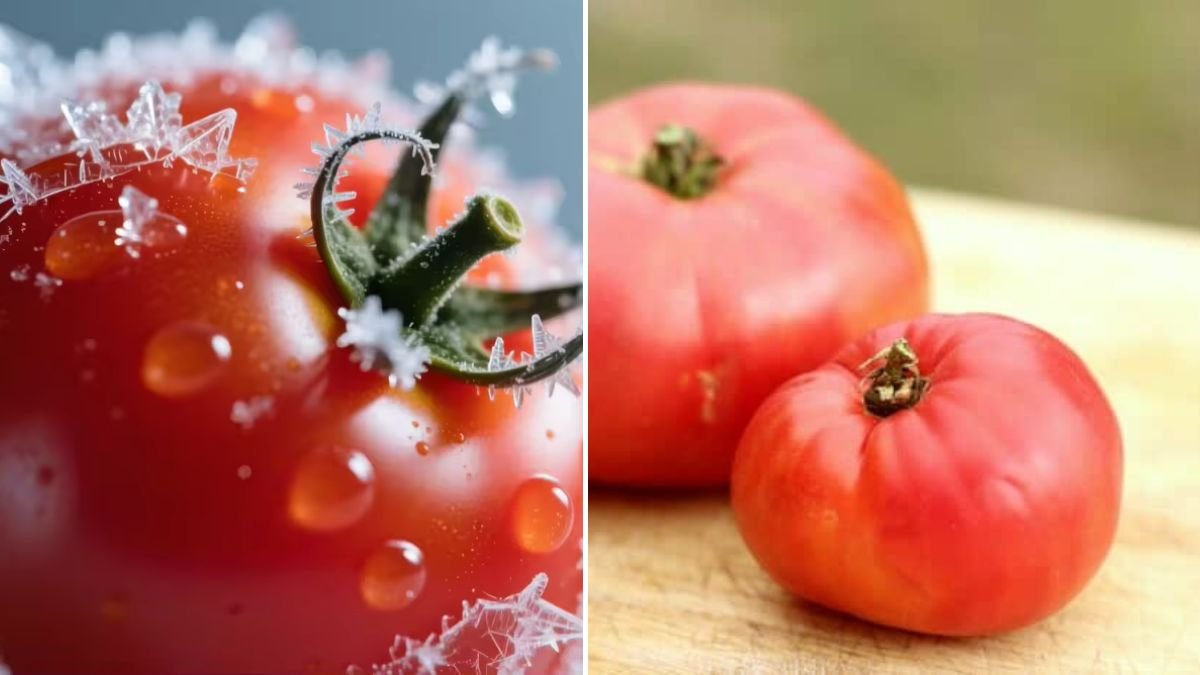
Why Freeze Berries and Tomatoes?
Freezing is a straightforward, time-saving preservation method. Unlike canning or dehydrating, freezing requires minimal equipment and maintains the fruit’s natural flavor and nutritional value. When done correctly, frozen berries and tomatoes can last 6 to 12 months while retaining their vibrant color and essential vitamins. (extension.usu.edu)
The key to success is freezing produce at peak ripeness, when the fruits are firm but fully developed in flavor. Improper freezing, such as freezing overripe or wet fruit, can result in mushy textures or ice crystal damage. Freezing at the right time ensures that the fresh taste is captured and preserved for months.
Freezing Berries
Berries are highly perishable and delicate, making freezing an ideal preservation method. However, if not frozen correctly, they can clump together, making portioning difficult later. The flash-freeze method is widely recommended to maintain individual berry integrity and prevent them from sticking together. (extension.usu.edu)
Step-by-Step Guide
- Sort and Rinse
Select firm, ripe berries and discard any overripe, soft, or damaged fruits. Rinse gently under cold water and dry thoroughly. Excess moisture can cause ice crystals, which damage texture. (extension.usu.edu) - Flash Freeze
Spread the berries in a single layer on a parchment-lined baking sheet. Freeze for 1–3 hours until completely solid. This ensures the berries remain separate and easy to use later. - Package for Long-Term Storage
Transfer the frozen berries into airtight freezer bags or containers. Remove as much air as possible to prevent freezer burn and label with the date. Berries frozen this way can maintain quality for up to 12 months.
Using Frozen Berries
Frozen berries are incredibly versatile:
- Blend directly into smoothies without thawing.
- Thaw partially for fruit sauces, compotes, and jams.
- Incorporate into baked goods like muffins, pancakes, and cobblers.
Flash-frozen berries allow you to use only what you need, without thawing the entire batch, saving time and reducing waste.
Freezing Tomatoes
Tomatoes behave differently from berries when frozen. While they lose their firm texture upon thawing, this is ideal for cooked applications like sauces, soups, and purees. Freezing tomatoes ensures that the peak-season flavor is preserved for winter cooking. (ellegourmet.ca)
Methods for Freezing Tomatoes
1. Freezing Whole Tomatoes
- Rinse and dry thoroughly.
- Remove stems and core if desired.
- Place whole tomatoes in airtight freezer bags and remove excess air.
- Lay flat in the freezer for quick freezing and to save space.
When ready to use, peel the tomatoes (skins slip off easily after freezing) and cook into sauces, soups, or stews.
2. Freeze Tomato Sauce or Puree
Processing tomatoes into sauces or purees before freezing offers convenience:
- Simmer tomatoes with herbs or seasonings.
- Let the mixture cool completely.
- Pour into airtight freezer-safe containers or ice cube trays for portioned storage.
Frozen tomato sauce is perfect for quick meals and provides a jump-start for pastas, pizzas, or soups. Ice cube trays allow portion control, letting you thaw only what is needed.
Best Practices for Freezing Produce
Use Proper Packaging
Airtight freezer-safe bags or containers prevent freezer burn and maintain quality. Removing excess air is crucial, as air exposure accelerates dehydration and flavor loss. (extension.umn.edu)
Freeze Quickly
Quick freezing reduces the formation of large ice crystals that can damage cell walls. The flash-freeze method, spreading produce in a single layer, ensures rapid freezing. (extension.usu.edu)
Maintain Freezer Temperature
Keep the freezer at 0°F (-18°C) or lower to preserve texture, flavor, and nutritional value. This temperature slows enzymatic activity and microbial growth.
Creative Uses for Frozen Produce
Berries
- Jam and Fruit Spreads: Thaw and simmer with sugar and lemon juice.
- Desserts: Add to crisps, cobblers, or ice creams.
- Breakfast: Mix into oatmeal, yogurt, or smoothie bowls.
Tomatoes
- Sauces and Bases: Blend into tomato sauce or marinara.
- Soups and Stews: Add directly to winter slow-cooked dishes.
- Curries and Salsas: Use frozen tomato blocks as a base for sauces.
Although tomatoes lose firmness, their flavor and color are maintained, making them ideal for cooked recipes.
Safety and Shelf-Life
Frozen fruits and vegetables are safe indefinitely if stored at 0°F (-18°C), though quality is best if used within 8–12 months. Avoid repeated thawing and refreezing, as this degrades texture and flavor. Pre-portioning produce before freezing ensures you only defrost what is needed. (extension.umn.edu)
Common Mistakes to Avoid
- Freezing overripe or damaged fruit: This accelerates spoilage and compromises flavor.
- Using non-freezer-safe containers: Increases the risk of freezer burn.
- Skipping the flash freeze step for berries: Leads to clumped berries that are hard to separate.
- Refreezing thawed produce: Degrades quality and texture.
By following proper techniques, you can ensure that your frozen produce retains its peak flavor and nutritional value.
Authoritative Sources
For more guidance on freezing berries and tomatoes:
- Fruit Freezing Methods — U.S. Cooperative Extension (extension.usu.edu)
- How to Freeze Fresh Fruits and Vegetables — Elle Gourmet (ellegourmet.ca)
- Preserving Color, Nutrients and Flavor When Freezing Produce — University of Minnesota Extension (extension.umn.edu)
Final Thoughts
Freezing berries and tomatoes for sauces, jams, and bases is an easy, practical way to extend the life of seasonal produce. Using proper techniques such as flash-freezing berries and pre-processing tomatoes into sauces ensures maximum flavor and nutrition retention. With careful packaging, quick freezing, and correct storage temperatures, you can enjoy the taste of summer fruit and garden-fresh tomatoes all year long.
Whether you’re making a berry jam in January or simmering tomato sauce in December, these freezing methods make it simple to capture and enjoy the season’s best flavors anytime.