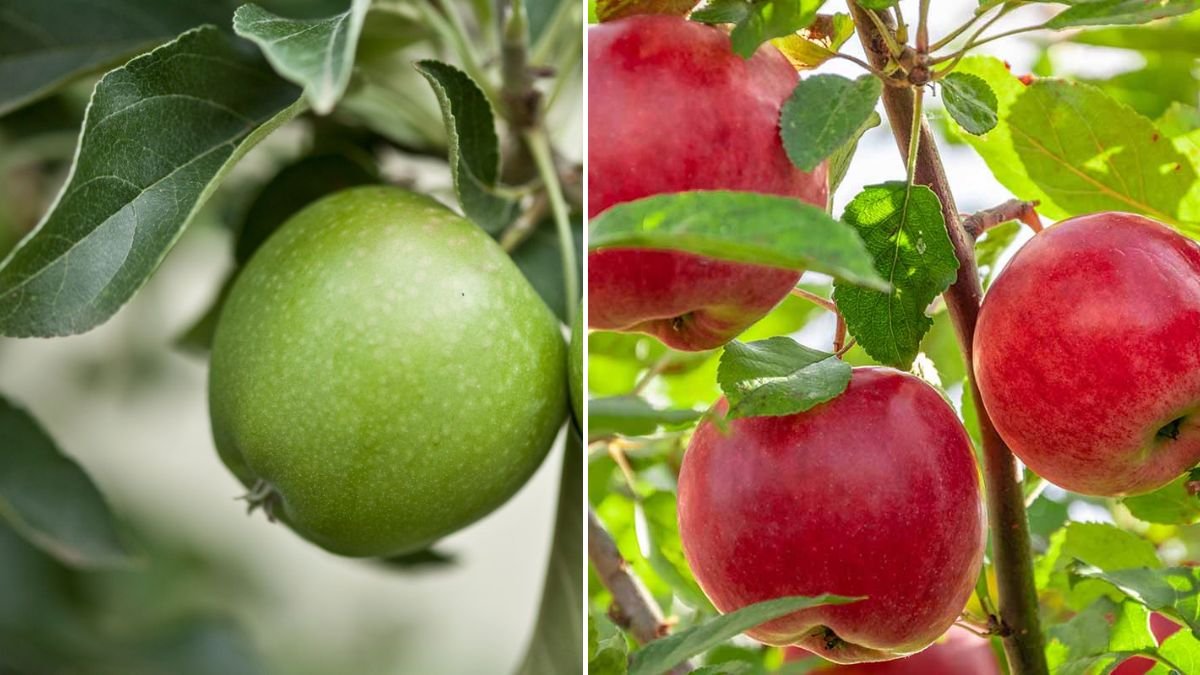
Choosing the Right Apple Tree for Indoors
The first and most important step is selecting the correct type of apple tree. Standard apple trees grow far too large for indoor spaces, but dwarf and semi-dwarf varieties are designed to stay compact and thrive in containers.
Look for trees grafted onto dwarfing rootstock. These trees grow to only 6 to 8 feet tall and are well-suited for pots. Popular indoor-friendly apple varieties include Gala, Fuji, Golden Delicious, and columnar apples bred specifically for patios and small spaces.
When purchasing your tree, choose one that is healthy, disease-free, and at least one to two years old. Younger trees adapt better to containers and indoor conditions.
Understanding Light Requirements
Apple trees are sun-loving plants. In nature, they grow in open orchards with full sunlight from morning to evening. To replicate this indoors, your apple tree needs at least 10 hours of bright light per day.
Place your tree near a large south-facing or west-facing window where it receives the strongest natural light. If sunlight is limited, use full-spectrum grow lights to supplement. Position lights about 6 to 12 inches above the canopy and run them for 12–14 hours a day during the growing season.
Without enough light, apple trees may grow tall and weak, fail to bloom, or produce no fruit at all. Light is one of the most important factors for indoor apple success.
Temperature and Seasonal Cycles
Apple trees are deciduous, which means they need a seasonal cycle of warmth and cold to function properly. In spring and summer, they actively grow and flower. In winter, they enter dormancy.
Indoors, your tree should be kept at 65–75°F (18–24°C) during the growing season. During winter, it needs a period of cold to trigger flower production. This is called chill hours, and most apple varieties need several hundred hours of temperatures between 32°F and 45°F (0–7°C).
To provide this indoors, move your tree to a cool garage, unheated porch, or basement for 8 to 12 weeks in winter. This dormancy period is essential for fruiting. Without it, the tree may grow leaves but never produce apples.
Soil and Container Setup
A strong root system is the foundation of a productive apple tree. Use a large container with drainage holes, ideally 15 to 25 gallons in size. Bigger pots allow roots to spread and provide better moisture control.
Fill the pot with high-quality, well-draining potting mix. Avoid garden soil, which can become compacted in containers. The soil should be slightly acidic to neutral, with a pH around 6.0 to 6.5.
Adding compost or organic matter improves nutrient availability. A stake or support pole will help keep your young tree upright and stable as it grows.
Watering and Humidity
Indoor apple trees need consistent moisture but do not tolerate soggy roots. Water when the top inch of soil feels dry. Allow excess water to drain away completely so roots do not sit in standing water.
Dry indoor air can stress apple trees, especially in winter when heating systems run. To improve humidity, mist the leaves occasionally or use a small humidifier nearby. A humidity level of 50 to 70 percent helps prevent leaf drop and improves overall tree health.
Pollination: A Crucial Step
Most apple trees are not self-fertile, which means they need pollen from another apple flower to produce fruit. Outdoors, bees handle this job. Indoors, you become the pollinator.
When the tree blooms, use a small paintbrush, cotton swab, or your fingertip to gently transfer pollen from one flower to another. If you have two different apple varieties, cross-pollinating them improves fruit set. Even with one tree, moving pollen between flowers increases your chances of success.
Pollination should be done daily while the flowers are open.
Pruning and Training Your Tree
Pruning keeps your indoor apple tree compact, healthy, and productive. It also improves airflow and light penetration, which reduces disease and increases fruiting.
Prune during late winter or early spring, before new growth begins. Remove dead or weak branches and thin crowded areas. Encourage branches to grow outward rather than straight up, as horizontal branches tend to produce more fruit.
You can also gently bend young branches and secure them with ties to create a balanced shape that fits well indoors.
Feeding and Fertilization
Container-grown apple trees need regular feeding. Use a balanced fertilizer designed for fruit trees, applied during the growing season. A slow-release fertilizer works well, or you can use a liquid feed every two to four weeks.
Avoid over-fertilizing, which can cause excessive leafy growth at the expense of flowers and fruit.
Pest and Disease Control
Even indoors, apple trees can attract pests such as aphids, spider mites, and mealybugs. Inspect leaves and stems regularly. If pests appear, treat them with insecticidal soap or neem oil.
Good air circulation, clean leaves, and proper watering help prevent fungal diseases.
When to Expect Fruit
Patience is important. Most dwarf apple trees take two to three years to begin producing fruit. Indoor trees may take slightly longer due to controlled conditions, but with proper care, they can reward you with crisp, flavorful apples.
Once fruit appears, thin excess apples so the remaining ones grow larger and sweeter.