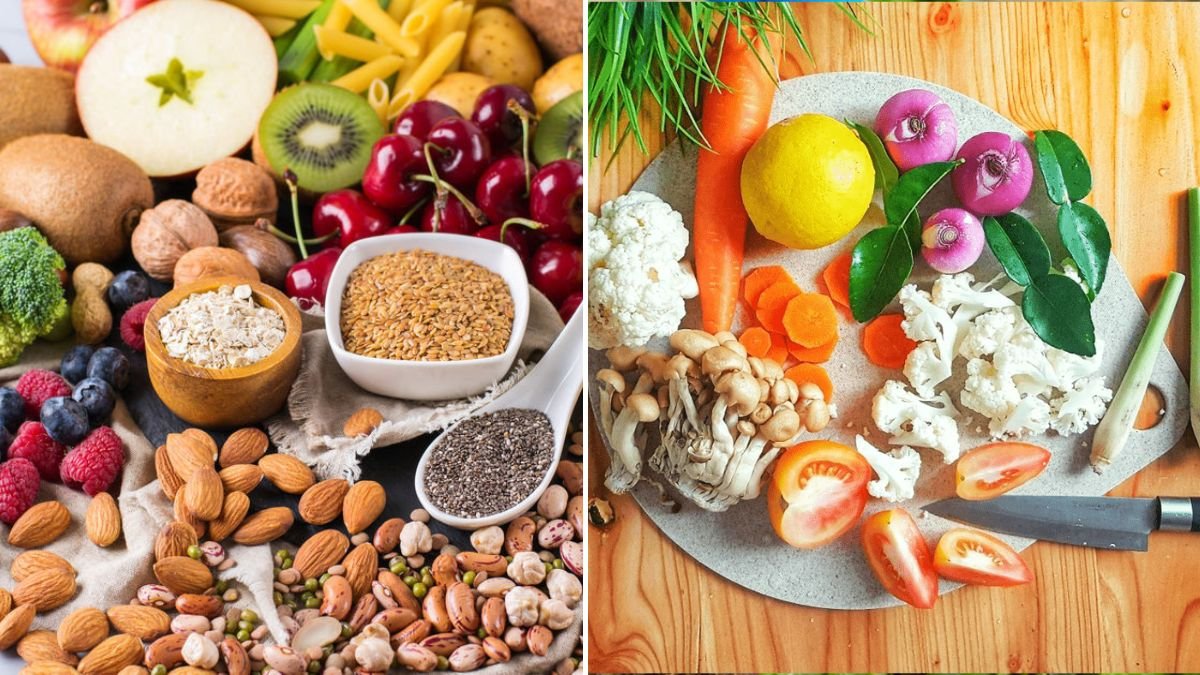
1. Cruciferous Vegetables
Cruciferous vegetables, including broccoli, cauliflower, Brussels sprouts, cabbage, and kale, are renowned for their cancer-protective properties. They contain sulforaphane and related glucosinolates — compounds that have been studied for their ability to inhibit cancer cell growth and enhance detoxification pathways in the body.
Studies indicate that diets high in cruciferous vegetables may reduce the risk of colorectal, breast, and lung cancers. Nutritionists often recommend consuming these vegetables regularly, either raw or lightly cooked, to retain their full spectrum of nutrients.
Tips for Eating:
- Steam broccoli and drizzle with olive oil and lemon juice.
- Toss roasted Brussels sprouts with garlic and herbs for a flavorful side.
2. Berries
Berries, including strawberries, blueberries, raspberries, and blackberries, are packed with antioxidants, vitamin C, and anthocyanins, which help protect cells from oxidative damage. Research links higher berry consumption with a lower risk of colorectal, breast, and esophageal cancers.
Berries not only combat inflammation but also support gut health, which is increasingly recognized as a factor in overall cancer risk. Including berries in your daily routine can be both enjoyable and protective.
Tips for Eating:
- Add berries to yogurt, oatmeal, or cereal.
- Blend them into smoothies for a refreshing, nutrient-rich drink.
3. Garlic
Garlic has been used medicinally for centuries and contains organosulfur compounds like allicin, which possess anti-inflammatory and potential anti-cancer properties. Regular garlic consumption has been linked with a lower risk of stomach, colorectal, and prostate cancers.
Nutritionists recommend using fresh garlic rather than supplements whenever possible to maximize its bioactive compounds. Crushing or chopping garlic before cooking helps release allicin, increasing its potential health benefits.
Tips for Eating:
- Add minced garlic to stir-fries, soups, or roasted vegetables.
- Mix raw garlic into salad dressings or vinaigrettes.
4. Tomatoes
Tomatoes are a potent source of lycopene, a carotenoid with strong antioxidant properties. Research shows that lycopene may help reduce the risk of prostate, lung, and stomach cancers. Interestingly, lycopene becomes more bioavailable when tomatoes are cooked, meaning sauces, soups, and stews provide concentrated benefits.
Tomatoes also supply vitamin C, potassium, and fiber, making them a versatile and nutritious addition to meals.
Tips for Eating:
- Use roasted tomatoes in pasta dishes or salads.
- Prepare homemade tomato sauces for added flavor and lycopene benefits.
5. Nuts
Nuts such as walnuts, almonds, and Brazil nuts are rich in healthy fats, fiber, and antioxidants. Several studies have found associations between regular nut consumption and reduced risk of colorectal, pancreatic, and other cancers. Nuts also support heart health and help regulate blood sugar, making them a highly nutritious snack.
Tips for Eating:
- Snack on a small handful of nuts daily.
- Add chopped nuts to oatmeal, yogurt, or salads for added crunch and nutrition.
6. Whole Grains and Legumes
Whole grains like oats, quinoa, and brown rice and legumes such as beans, lentils, and peas are excellent sources of fiber, protein, and phytochemicals. A high-fiber diet supports a healthy gut microbiome, which is increasingly linked to reduced colorectal cancer risk.
Fiber also helps regulate blood sugar and cholesterol, reduces inflammation, and promotes satiety, making it easier to maintain a healthy weight — another key factor in cancer prevention.
Tips for Eating:
- Replace white rice with brown rice or quinoa.
- Include beans or lentils in soups, stews, and salads.
- Experiment with whole-grain bread, pasta, and cereals.
7. Citrus Fruits
Citrus fruits such as oranges, lemons, limes, and grapefruits are loaded with vitamin C, flavonoids, and antioxidants that help neutralize harmful free radicals and protect DNA from damage. Several studies suggest that regular citrus consumption may help reduce the risk of stomach, pancreatic, and esophageal cancers.
Citrus fruits are also hydrating, low in calories, and versatile for cooking, baking, and beverages.
Tips for Eating:
- Enjoy fresh fruit as snacks or in salads.
- Use lemon or lime juice as a natural flavor enhancer for dishes.
- Incorporate citrus zest into baking or dressings for added antioxidants.
Why Nutritionists Recommend These Foods
Nutritionists emphasize that no single food can prevent cancer, but a diet rich in diverse, plant-based foods provides several benefits:
- Antioxidants: Neutralize free radicals and protect cells from oxidative stress.
- Fiber: Promotes gut health, regulates hormones, and supports weight management.
- Anti-inflammatory Phytochemicals: Reduce chronic inflammation, a known contributor to cancer risk.
Consistently consuming these foods as part of a balanced diet creates an environment that supports overall health and reduces long-term cancer risk.
Practical Ways to Incorporate These Foods Daily
Here’s how to make these cancer-protective foods part of your daily routine:
Breakfast
- Top oatmeal with berries, chopped nuts, and citrus zest.
- Add spinach or kale to smoothies with a splash of citrus juice.
Lunch
- Prepare salads with tomatoes, beans, and cruciferous vegetables.
- Include whole grains like quinoa or brown rice bowls with roasted vegetables.
Dinner
- Cook tomato-based sauces with garlic and serve over whole-grain pasta.
- Roast cruciferous vegetables with olive oil and herbs as a side.
Snacks
- Fresh citrus fruit or berries.
- A small handful of mixed nuts for energy and nutrients.
Consistency is key: regular, varied consumption of these foods is most beneficial for long-term health.
Authoritative Sources
For evidence-based information on diet and cancer risk, consult:
- Healthline – Cancer-Fighting Foods: Comprehensive overview of foods linked to lower cancer risk. (healthline.com)
- NDTV Health – Foods for Cancer Prevention: Insights from nutritionists and research studies. (ndtv.com)
- AARP – Superfoods That May Reduce Cancer Risk: Recommendations for a nutrient-rich, protective diet. (aarp.org)
Final Thoughts
While genetics and environmental factors influence cancer risk, diet remains a powerful tool for prevention. Incorporating the seven foods highlighted in this article — cruciferous vegetables, berries, garlic, tomatoes, nuts, whole grains and legumes, and citrus fruits — can help protect your body by providing antioxidants, fiber, and anti-inflammatory compounds.
Pairing these foods with a healthy lifestyle, including regular exercise, adequate sleep, stress management, and limiting processed foods and alcohol, enhances the protective benefits. Small, consistent dietary changes over time can make a meaningful difference in your long-term health and may contribute to a lower cancer risk.
Remember: the best strategy is a balanced, varied diet rich in plant-based foods — one that you can enjoy every day while providing powerful nutrients to help your body thrive.