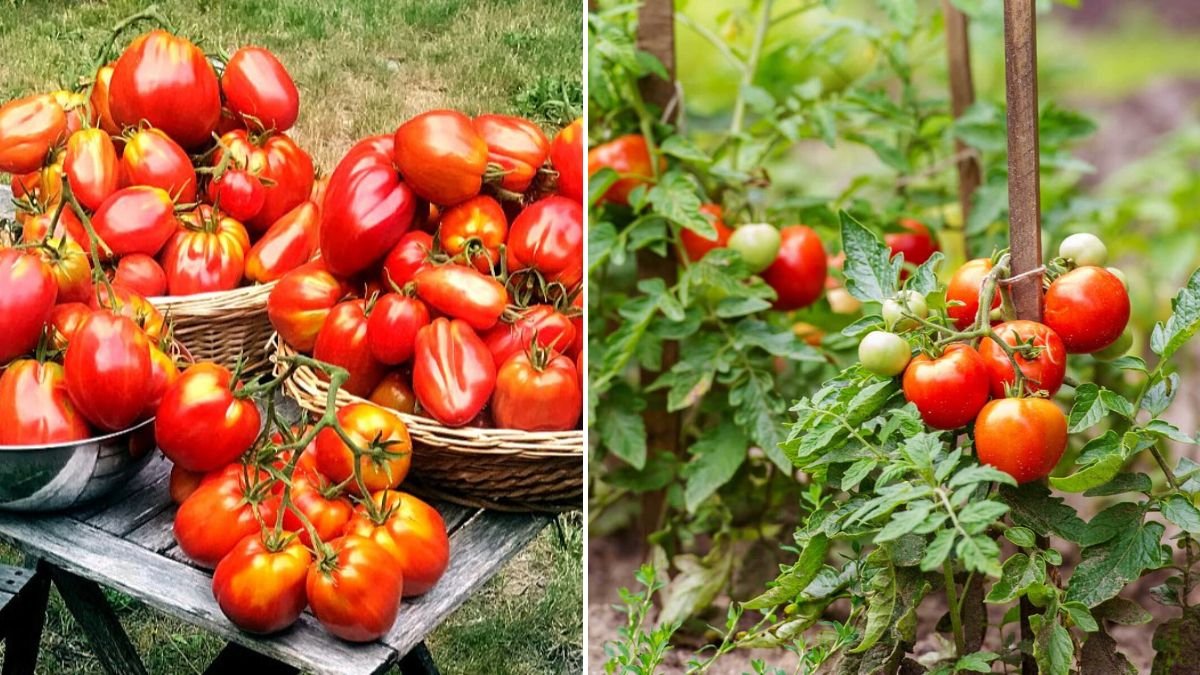
Why Proper Bed Preparation Matters
Tomatoes and peppers are considered heavy feeders because they require substantial nutrients to grow strong stems, lush foliage, and abundant fruit. Without well-prepared soil, plants can experience nutrient deficiencies, poor water retention, and vulnerability to disease. Proper garden bed prep ensures:
- Balanced nutrition for robust growth
- Optimal drainage and moisture retention
- Reduced weed competition
- Better soil structure for deep root development
By addressing these factors before planting, you create the ideal environment for your crops to thrive and produce larger, healthier fruit.
Step 1: Clear and Clean Your Garden Beds
Before adding amendments or planting, remove all debris, old roots, weeds, and fallen fruit from last season. Debris can harbor pests and disease, which may attack new seedlings. Compost healthy plant material or dispose of diseased matter to minimize risk.
Tip: Even small roots left in the soil can attract pests, so take time to remove as much as possible.
Step 2: Test and Amend the Soil
A soil test is critical for understanding your garden’s nutrient levels and pH. Tomatoes and peppers thrive in slightly acidic to neutral soil (pH 6.0–7.0). Soil testing allows you to make informed amendments for optimal growth.
Steps for Soil Testing:
- Collect samples from multiple areas of your bed.
- Mix them together and test using a home kit or send to a local extension service.
- Amend the soil according to results: lime for acidic soil or sulfur for alkaline soil.
Adding compost or organic matter is essential to improve fertility, water retention, and soil structure. Compost also encourages beneficial microbes that help your plants absorb nutrients efficiently.
Step 3: Add Fertility Boosters
Tomatoes and peppers benefit from organic fertilizers. After testing, spread a layer of well-rotted compost over the bed and incorporate it into the top 4–6 inches of soil. Other options include:
- Bone meal for phosphorus (root and flower development)
- Fish emulsion for nitrogen (leaf growth)
- Worm castings for overall nutrient balance
These amendments create a nutrient-rich environment that supports heavy-feeding crops and improves fruit production.
Step 4: Improve Soil Structure and Drainage
Good drainage and aeration are essential for healthy root growth. Compact soil can stunt roots and lead to poor fruit development.
Tips to Improve Soil Structure:
- Use a garden fork or spade to loosen soil without disrupting microbes too much.
- Incorporate sand and organic matter if soil is clay-heavy.
- Consider raised beds to improve drainage and warm the soil faster in spring.
Healthy soil ensures roots grow deep, which supports larger plants and bigger fruit.
Step 5: Plan Layout and Spacing
Proper spacing allows air circulation, reducing the risk of fungal diseases and promoting strong growth. While spacing depends on variety, general recommendations are:
- Tomatoes: 18–24 inches apart
- Peppers: 12–18 inches apart
For taller tomato varieties, place them on the north side of the bed to avoid shading shorter pepper plants. Companion planting with herbs like basil or flowers like marigolds can help deter pests and improve pollination.
Step 6: Start Seeds or Transplants
Tomatoes and peppers are best grown from transplants in cooler climates. Start seeds indoors 6–8 weeks before the last frost for a strong head start.
Tips for Healthy Seedlings:
- Use well-draining seed trays and high-quality seed-starting mix.
- Provide 12–16 hours of light daily.
- Harden off seedlings for 5–7 days before transplanting by gradually exposing them to outdoor conditions.
Properly hardened seedlings are stronger and more resilient to outdoor stress.
Step 7: Mulch to Control Weeds and Retain Moisture
Mulching is critical for maintaining soil health. Apply a 2–3 inch layer of organic mulch, such as straw or shredded leaves, around plants to:
- Suppress weeds
- Retain soil moisture
- Moderate soil temperature
As mulch decomposes, it adds nutrients back into the soil, further supporting plant growth.
Step 8: Plan Efficient Irrigation
Tomatoes and peppers require consistent moisture, especially during flowering and fruiting. A drip irrigation system or soaker hoses is ideal because it delivers water directly to the roots while keeping foliage dry, reducing disease risk.
Tip: Deep, infrequent watering encourages strong root growth, leading to sturdier plants and bigger fruit.
Step 9: Prepare Supports
Tall tomato varieties and heavy pepper plants require sturdy supports to prevent branches from breaking. Prepare cages, stakes, or trellises before planting.
Sanitation Tip: Clean supports with an alcohol-based solution to remove any fungal spores or disease from the previous season.
Proper support improves air circulation and makes harvesting easier while keeping fruit off the soil.
Step 10: Final Touches
Once the soil is amended, mulched, and beds are clear, allow it to rest for a few days. This lets nutrients settle and the soil warm slightly, providing ideal conditions for transplanting. Ensure the danger of frost has passed before moving seedlings outdoors.
Expert Tips for Maximum Yields
- Rotate crops each year to reduce soil-borne diseases.
- Monitor soil pH periodically to maintain nutrient availability.
- Feed plants regularly with organic fertilizers or compost teas during the growing season.
- Prune tomato suckers for indeterminate varieties to focus energy on fruit growth.
- Regularly inspect for pests and diseases to catch problems early.
Following these steps gives you the best chance for massive, healthy tomatoes and peppers with a long, productive season.
Authoritative Sources
For detailed advice on soil prep, fertilization, and gardening best practices, refer to:
- University of Georgia Extension – Vegetable Garden Prep Tips: site.extension.uga.edu
- Eartheasy – Preparing Raised Beds for Spring: learn.eartheasy.com
- GardenTabs – Spring Bed Prep Checklist: gardentabs.com
- Southern Living – Seed Starting Guide: southernliving.com
Final Thoughts
Spring garden bed preparation is the foundation for a successful tomato and pepper season. By testing and amending soil, improving structure and drainage, planning spacing, and preparing irrigation and supports, you give your plants the best chance to grow large, healthy fruit.
Investing time in bed prep now leads to bigger yields, healthier plants, and a more enjoyable harvest later. With proper care and attention, your garden can produce bumper crops of juicy tomatoes and vibrant peppers all summer long.