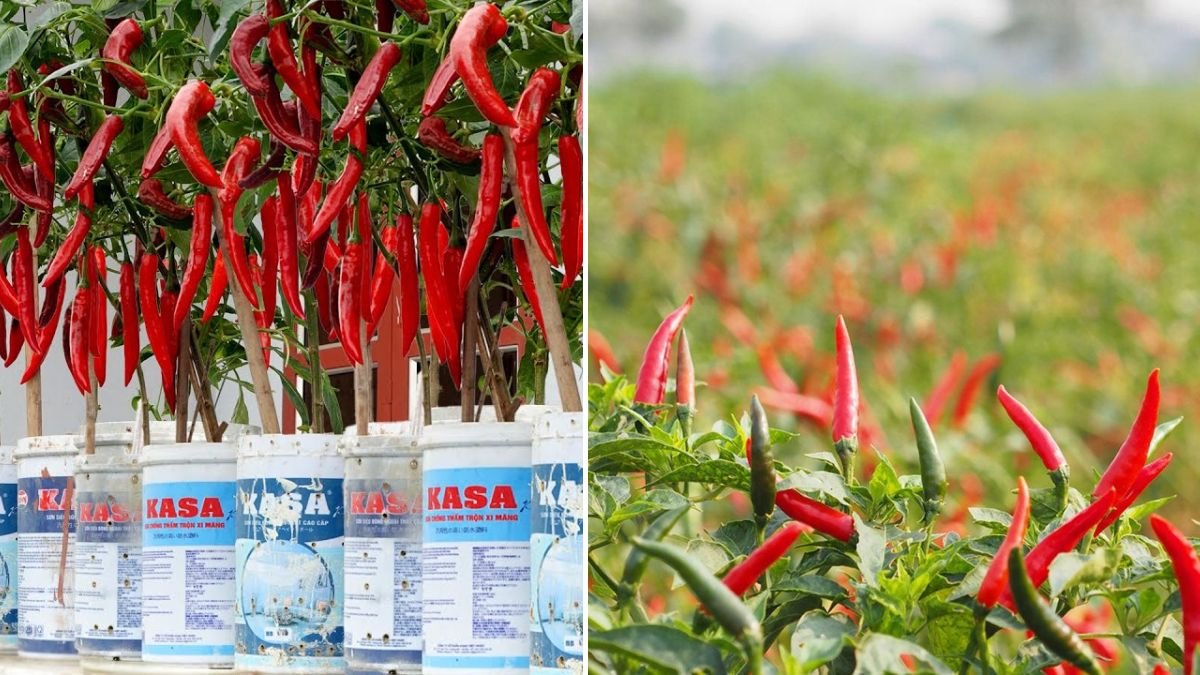
Why Chili Peppers Are Ideal for Home Gardens
Chili peppers are versatile, beautiful, and practical. Here’s why they’re perfect for growing at home:
- Compact and adaptable: Many varieties grow well in containers, pots, or even indoor spaces.
- High yield potential: With the right care, a single plant can produce dozens of chilies over the season.
- Culinary versatility: Fresh chilies can be used in cooking, sauces, pickling, or garnishes.
- Health benefits: Chilies are rich in vitamins, antioxidants, and capsaicin, making them a nutritious addition to your diet.
In 2026, gardening trends show an increased focus on home-grown, high-yield chili peppers, as more people seek sustainable and flavorful produce. (Homes & Gardens)
Choosing the Right Chili Pepper Varieties
Selecting the appropriate variety is the first step toward a successful harvest. Not all chili peppers perform well in containers or indoor environments. Consider these tips:
- Compact, container-friendly varieties: Small bushy types are ideal for pots and windowsills. Examples include “Thai Bird’s Eye,” “Cayenne,” and ornamental chilies. (Gardening Know How)
- Heat level selection: Choose varieties according to your preference — mild, medium, or extremely hot. Habanero and ghost peppers are fiery, while paprika and bells are mild.
- Early maturing types: Faster-growing plants provide fruit earlier and allow multiple harvests within a season.
Choosing the right variety sets the stage for high yield and minimal care, making your home chili garden both productive and manageable.
Container and Indoor Growing
Modern home gardening has made it possible to grow chili peppers anywhere. You don’t need a backyard; a balcony, terrace, or sunny indoor space can produce abundant fruit. Recent gardening guides emphasize container gardening for chili peppers as a simple, effective solution. (Gardening Know How)
Choosing Containers
- Size matters: Each plant needs a pot at least 25–30 cm deep to accommodate roots.
- Good drainage: Prevents waterlogging and root rot. Fabric pots or clay containers work best.
- Mobility: Containers allow you to move plants for optimal sunlight or to protect from cold weather.
Container-grown chilies can flourish indoors or outdoors and are easier to manage for watering, fertilization, and pest control.
Indoor Growing Tips
- Place pots on a south-facing windowsill for maximum light.
- Use grow lights if sunlight is insufficient, especially in winter.
- Maintain consistent humidity and warmth; chili peppers prefer temperatures between 20–30 °C.
- Consider using heat mats or humidity domes for seed germination.
Indoor chili peppers not only yield fruit but also add color and greenery to your living space, making them a decorative and practical choice.
Sunlight and Warmth for High Yield
Chili peppers are tropical plants and need plenty of sunlight and warmth to produce lots of fruit.
- Ensure 6–8 hours of direct sunlight daily.
- For balcony or indoor growers, reflective surfaces can improve light exposure.
- Maintain temperatures ideally between 70–85 °F (21–29 °C) for vigorous growth.
Sunlight is essential for photosynthesis, flowering, and fruiting — all of which directly impact your harvest. (Times of India)
Soil and Watering Essentials
Proper soil and water management are critical for chili pepper success:
- Use well-draining potting mix with added organic matter like coco coir or compost.
- Water consistently but avoid overwatering — the top inch of soil should dry before watering again.
- Mulching helps retain moisture and regulate soil temperature.
A well-balanced soil environment prevents disease, encourages strong root development, and supports continuous fruit production. (GrowVeg)
Fertilization and Nutrition
Chili peppers are heavy feeders. Proper fertilization is key for producing a high yield of fruit:
- Use a balanced fertilizer during early growth to strengthen stems and leaves.
- Switch to phosphorus- and potassium-rich fertilizers during flowering to encourage fruit set.
- Organic options such as compost or worm castings enrich soil naturally.
Well-fed chili plants are healthier, more productive, and able to produce more and larger peppers over the season. (MaheshLunchHome)
Plant Support and Care
Chili plants can become heavy when loaded with fruit. Proper support ensures branches don’t break and plants remain upright:
- Stake tall plants using bamboo sticks or small cages.
- Prune lower leaves and weak branches to redirect energy toward fruit production.
- Avoid water splashing on foliage to reduce disease risk.
These care measures help your plants produce lots of fruit with minimal effort, making home growing simple and effective.
Pollination and Harvesting
While chilies self-pollinate, hand pollination can increase fruit set, especially indoors:
- Gently shake flowers to distribute pollen.
- Use a small brush to transfer pollen from flower to flower if necessary.
Harvest chilies regularly once they ripen to stimulate new fruit production. Frequent picking encourages continuous growth and higher yields, ensuring your plant remains productive all season.
Advanced Tips for Flavor and Heat
Experienced growers can enhance flavor and heat by:
- Allowing slight dry stress during fruit development to increase capsaicin levels.
- Reducing nitrogen during fruiting so the plant focuses energy on chili growth rather than leaves.
These techniques can intensify the taste and spiciness of your peppers while maintaining overall productivity. (Homes & Gardens)
Authoritative Sources for Further Learning
For additional expert guidance, these resources are invaluable:
- 🌱 Gardening Know How – Indoor Chili Growing Guide (gardeningknowhow.com)
- 🌶️ Better Homes & Gardens – 12 Indoor Chili Tips (bhg.com)
- 🪴 Sarvi Restaurant – Container Chili Guide (sarvirestaurant.com)
- 🌿 Chili-Shop24 – 10 Tips for Healthy Plants (chili-shop24.com)
- 🌡️ Homes & Gardens – Hottest Peppers to Grow (homesandgardens.com)
Final Thoughts
Chili peppers are a highly rewarding and versatile crop that can thrive anywhere with the right techniques. By following the principles of [FOCUS KEYWORD] — selecting appropriate varieties, using containers, providing proper light, soil, water, and nutrients, supporting plants, and harvesting frequently — anyone can enjoy lots of spicy, flavorful fruit without a large garden.
Whether you are a beginner or an experienced gardener, these methods make chili pepper cultivation simple, enjoyable, and highly productive. Start today, and soon your home will be filled with vibrant plants and fresh, homegrown chilies ready to spice up your kitchen.