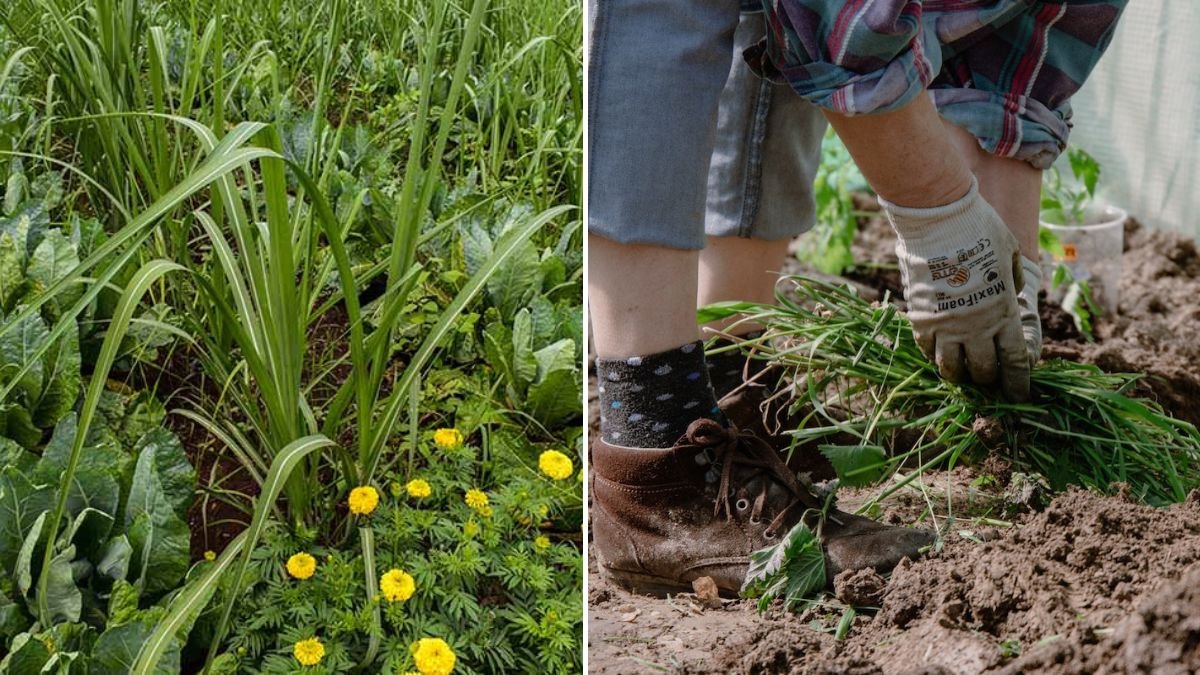
🌱 1. Healthy Soil: The Foundation of Abundance
The richness of Grandpa Kaki’s garden begins below ground. Healthy soil feeds plants, retains moisture, and supports a diverse ecosystem of beneficial microbes. Soil health is the cornerstone of any productive vegetable garden and often the first factor overlooked by beginners.
🧪 Testing and Understanding Soil
Before planting, Grandpa Kaki tests his soil’s pH and nutrient content. Knowing whether the soil is too acidic or lacks essential nutrients allows him to adjust with organic amendments. Simple home kits or local agricultural labs can help gardeners replicate this approach.
🪵 Adding Organic Matter
Compost, kitchen scraps, and garden waste are added regularly to enrich soil with nutrients and improve structure. Over time, this creates a fertile, life-filled environment where vegetables flourish.
🌱 Crop Rotation
Repeating the same crops in the same soil year after year can deplete nutrients and encourage disease. Grandpa Kaki rotates families of vegetables each season, alternating roots, leafy greens, legumes, and fruiting crops to maintain balance and soil vitality.
Healthy, nutrient-rich soil forms the backbone of a garden that stays full year after year, supporting vigorous plant growth and abundant harvests.
💧 2. Water Wisely: Deep, Consistent Moisture
Watering is often more about quality than quantity. Grandpa Kaki practices deep, infrequent watering, ensuring moisture reaches the roots rather than just wetting the surface.
Benefits of this approach include:
- Encouraging deep root growth for stronger, drought-resistant plants
- Improving nutrient absorption
- Reducing surface evaporation, saving water
He also uses rainwater harvesting, storing water in barrels to ensure a consistent supply during dry spells. This simple, sustainable method keeps plants hydrated without over-reliance on municipal water.
🐞 3. Natural Pest Control
Rather than relying on chemical pesticides, Grandpa Kaki uses eco-friendly methods to protect his crops. Maintaining a balanced garden ecosystem naturally reduces pest problems while preserving pollinators and beneficial insects.
🌼 Companion Planting
Plants like marigolds, basil, or nasturtiums are grown alongside vegetables to repel pests and attract helpful insects such as bees and ladybugs.
🧄 Organic Sprays
Simple homemade sprays, like garlic water or mild soap solutions, deter pests without harming soil health or plant vitality.
🧹 Monitoring and Handpicking
Regular inspection allows for early detection of pests. Small infestations can be removed by hand, preventing larger outbreaks and keeping crops healthy.
This careful attention to ecosystem balance ensures that plants remain productive without exposure to harsh chemicals.
🛠️ 4. Thoughtful Planting and Strategic Planning
Grandpa Kaki’s garden is intentionally designed, not haphazard. Every plant has a purpose, and thoughtful planning ensures space efficiency and continuous harvests.
🌾 Sequential Planting
Instead of sowing all seeds simultaneously, Grandpa Kaki practices “relay planting,” staggering sowing dates to guarantee a continuous supply of vegetables throughout the season. This ensures the garden never runs empty.
🌿 Companion Pairing
He plants vegetables with complementary herbs or flowers, promoting nutrient sharing, enhanced pollination, and natural pest deterrence. For example, tomatoes paired with basil not only improve flavor but also discourage aphids.
☀️ Optimizing Sunlight
Positioning crops according to sun exposure ensures each plant receives adequate light, a key factor for photosynthesis, flowering, and fruiting. Even small garden spaces can produce more when sunlight is used efficiently.
🍃 5. Sustainable, Low-Impact Gardening
Grandpa Kaki’s methods are sustainable, protecting soil and water resources while minimizing chemical inputs. This approach not only maintains high yields but also preserves the garden ecosystem for the long term.
Sustainable practices include:
- Using organic fertilizers and compost
- Mulching to retain soil moisture and suppress weeds
- Plant diversity to maintain ecological balance
- Harvesting carefully to encourage regrowth
These techniques allow the garden to produce consistently without depleting resources, ensuring fresh vegetables are always available.
🌾 6. Background: Why Traditional Wisdom Still Works
Gardening wisdom passed down through generations is not outdated. Techniques like deep watering, mulching, composting, crop rotation, and companion planting are now supported by modern horticultural research. These methods work because they mimic natural ecosystems, strengthen plants, and improve soil fertility.
Traditional gardeners understood that working with nature, rather than against it, produces resilient, high-yielding crops. Grandpa Kaki’s practices demonstrate that combining age-old knowledge with attentive care yields remarkable results.
🥕 7. Practical Tips to Replicate Grandpa Kaki’s Success
Gardeners looking to emulate this method can follow a few key strategies:
- Start with healthy soil – enrich it with compost and organic matter regularly.
- Water deeply and consistently – focus on root zones and consider rainwater collection.
- Use companion planting – deter pests naturally and attract beneficial insects.
- Plan sequential sowing – stagger planting to ensure continuous harvests.
- Rotate crops annually – maintain soil health and reduce disease risks.
- Monitor and maintain – check plants frequently for pests and disease.
By applying these techniques, even small home gardens can remain productive year-round.
📚 Authoritative Sources to Reference
Readers can explore additional trusted resources for deeper guidance:
- RHS Grow Your Own Vegetables Guide – Tips on soil, watering, and seasonal planting.
- FAO Relay Planting Techniques – How to maintain continuous vegetable production.
- Companion Planting Practices – Benefits of plant pairings for productivity and pest control.
- Sustainable Home Gardening Advice – Organic methods for long-term soil and plant health.
These sources provide evidence-backed insights and practical instructions for creating a thriving garden.
🌟 Final Thoughts
Grandpa Kaki’s garden remains full of fresh vegetables because it’s built on simple, sustainable, and effective principles. Healthy soil, thoughtful watering, natural pest management, strategic planting, and attention to seasonal conditions all contribute to a productive, resilient garden.
You don’t need a large plot or expensive inputs to grow your own vegetables. By learning from traditional wisdom and applying it mindfully, you can enjoy a garden that provides fresh, nutritious produce year-round. With [FOCUS KEYWORD], fresh vegetables are not just a seasonal treat — they can be a constant part of your life, straight from your own garden