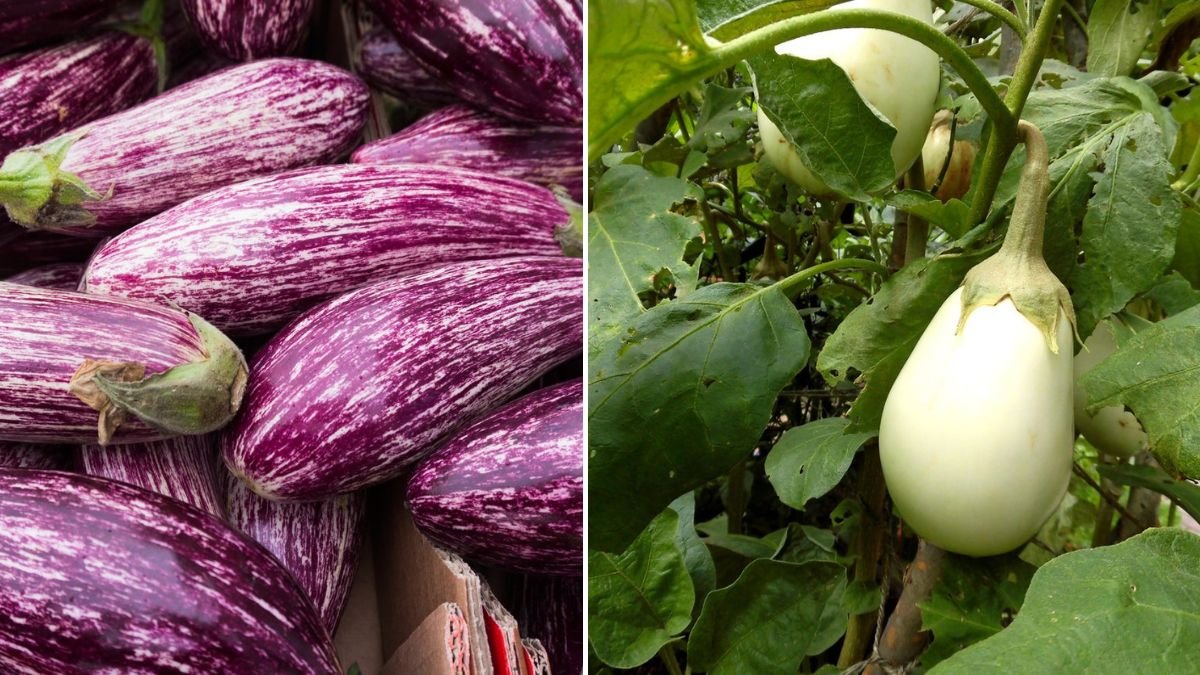
What Is Upside-Down Eggplant Growing?
Upside-down gardening is a method where plants are grown in hanging containers, with roots in soil at the top and foliage and fruit hanging downward. While traditionally popular for tomatoes and peppers, eggplants are excellent candidates for this technique when proper care is taken. (en.wikipedia.org)
This method helps improve air circulation, keeps fruit off the ground, reduces soil-borne diseases, and makes harvesting easier. Gardeners often describe it as “magical” because eggplants thrive in this unconventional orientation, producing abundant fruit that is cleaner and healthier than those grown conventionally. (completegardening.com)
Why Growing Eggplants Upside Down Works
Better Airflow & Disease Prevention
Eggplants grown upside down enjoy better airflow around leaves and stems, which significantly reduces fungal and bacterial diseases commonly found in ground-level gardening. Healthier plants can invest more energy into flowering and fruiting, rather than fighting infections. (en.wikipedia.org)
Fewer Pests & Cleaner Fruit
Fruit hanging above the ground is less susceptible to pests such as snails, slugs, and soil-borne insects. This means cleaner fruit and reduced crop loss, leading to higher-quality harvests without extra effort.
Space-Saving & Versatile
Upside-down containers are perfect for urban gardening, small patios, and balcony gardens. This method allows you to grow more plants in vertical space without compromising yield, making it ideal for limited-space gardeners. (housedigest.com)
Optimal Sun Exposure
Eggplants thrive in full sun. Hanging plants naturally expose all foliage and flowers to sunlight, promoting stronger flowering, improved fruit set, and larger fruits. (housedigest.com)
Step-by-Step Guide to Growing Eggplants Upside Down
1. Choose the Right Eggplant Variety
Compact varieties, such as Asian or miniature eggplants, are ideal. They are lighter, easier to support, and adapt well to hanging containers. Avoid large, heavy types that may break or stress the hanging setup. (completegardening.com)
2. Select a Sturdy Hanging Container
Use a strong bucket or planter that can hold soil and the weight of a growing plant. Drill a hole in the bottom for the seedling to hang through, ensuring the container is securely supported. Hanging supports must handle the fully grown plant and wet soil. (gardeningknowhow.com)
3. Fill with Quality Potting Mix
Use nutrient-rich, well-draining soil mixed with compost. Proper drainage and consistent nutrients are key for strong root growth and fruit development. Avoid heavy, water-retaining soil that may suffocate roots.
4. Plant Your Eggplant Seedling
Insert the seedling through the hole so the roots remain in soil and the foliage hangs downward. Fill and gently press soil around the roots inside the container for stability.
5. Water and Feed Consistently
Hanging containers dry out faster than ground beds. Water deeply and regularly, and supplement with compost or balanced fertilizer every few weeks to maintain vigor and fruiting.
6. Hang in Full Sun
Position the container in an area receiving at least 6–8 hours of direct sunlight per day. Sunlight is crucial for flowering and fruit set. (housedigest.com)
Common Challenges & Solutions
- Drying Out Quickly: Add mulch on top of the soil and check moisture daily.
- Heavy Containers: Ensure hooks or supports can hold the weight of soil, water, and plant.
- Nutrient Needs: Eggplants are heavy feeders. Fertilize regularly with a balanced or potassium-rich feed to support flowers and fruit. (deepgreenpermaculture.com)
Benefits of Upside-Down Eggplants
- Higher Fruit Quality: Reduced disease and pest problems produce cleaner, healthier fruits.
- Easier Harvesting: Fruits hang down for convenient picking.
- Less Maintenance: Fruit stays off the soil, reducing rot and damage.
- Space Efficiency: Ideal for vertical gardens and small areas.
Many gardeners report larger and more abundant harvests compared to traditional soil planting, attributing this success to improved air circulation, sunlight exposure, and reduced pest damage. (youtube.com)
Best Practices for Healthy Growth
- Water Deeply: Eggplants are up to 90% water; consistent moisture prevents stress and flower drop.
- Encourage Pollination: Shake flowers gently or attract pollinators with companion flowering plants.
- Monitor Flower Drop: Avoid temperature extremes and water stress to keep flowers setting fruit. (agrifarming.in)
Why You Should Try This Method
Upside-down eggplant gardening is not just a fun experiment; it’s a practical way to:
- Increase harvests and fruit quality
- Reduce pests and diseases
- Save garden space
- Make harvesting easier and cleaner
Even for small-space gardeners, this method delivers visually appealing, highly productive plants. It combines practical benefits and aesthetic appeal, making it a technique every gardener should try.
Suggested Authoritative Sources
- Garden Digest — Best Vegetables for Upside-Down Gardening: Lists eggplants and other ideal crops. (housedigest.com)
- Complete Gardening — Vegetables You Didn’t Know Could Grow Upside Down: Practical tips and suitable varieties. (completegardening.com)
- Gardening Know How — Upside-Down Eggplant Care: Step-by-step guide to container setup and maintenance. (gardeningknowhow.com)
- Wikipedia — Upside-Down Gardening Overview: Background and advantages. (en.wikipedia.org)
- Deep Green Permaculture — Eggplant Growing Guide: Expert advice on watering and fertilization. (deepgreenpermaculture.com)
Conclusion
Growing eggplants upside down is a magical yet practical gardening secret. By hanging plants in containers, providing proper nutrients, and ensuring sunlight and water, you can achieve higher yields, healthier plants, and easier harvesting. This method is ideal for small spaces, urban gardens, or anyone wanting to maximize productivity without expanding their garden area.
With minimal effort, upside-down eggplants offer a combination of beauty, efficiency, and abundant harvests — making it a must-try technique for modern gardeners looking to experiment with