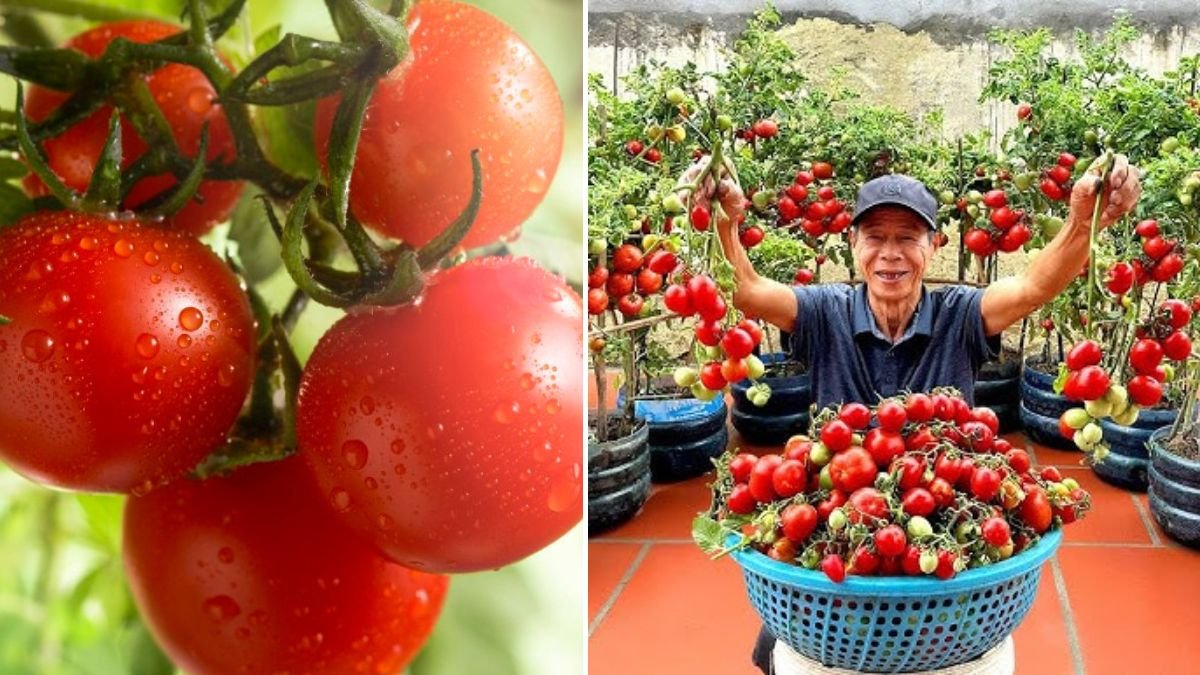
Why Tomatoes Sometimes Produce Few Fruits
Tomatoes are one of the most popular vegetables for home gardeners, but growing them successfully requires more than healthy foliage. Flowering is just the first step; for flowers to turn into fruit, plants need the right combination of sunlight, nutrients, water, airflow, and pollination.
Common reasons tomato plants produce few fruits include:
- Insufficient sunlight – Tomatoes require full sun for fruiting
- Poor pollination – Flowers need pollen transfer to develop into fruits
- Overcrowding or poor airflow – Dense plants focus on leaf growth rather than fruit
- Nutrient imbalances – Too much nitrogen encourages leaves, not fruit
- Improper watering – Irregular watering can cause blossom drop
Understanding these limiting factors helps gardeners implement strategies to maximize fruit production and pick fresh tomatoes every day. (gardeningknowhow.com)
The Secret to Abundant Tomato Fruit
The main secret to boosting tomato harvests is redirecting the plant’s energy from leafy growth into flowering and fruiting. Many gardeners inadvertently focus on making their plants “lush and green,” which can actually reduce fruit production. By carefully managing light, nutrients, support, pruning, and pollination, you can unlock a steady flow of fruit.
1. Ensure Tomatoes Get Plenty of Sunlight
Tomatoes need strong light to flower abundantly and set fruit. The general rule for optimal growth is:
🌞 At least 6–8 hours of direct sunlight per day, with more being even better.
Plants in shaded areas may flower but fail to produce fruit. For gardeners with limited sunlight, using reflective surfaces or moving container plants to sunnier spots can make a significant difference. For indoor growers, full-spectrum LED grow lights replicate sunlight and can dramatically improve fruiting. (mahaagrin.com)
2. Plant Tomatoes Deep for Strong Roots
Planting tomatoes deeper than usual is a little-known trick that encourages more fruit. Tomato stems have tiny root-producing hairs. By burying a large portion of the stem underground, you give your plant a stronger root system capable of absorbing more water and nutrients.
How to plant deeply:
- Remove the lower leaves of the young plant.
- Bury two-thirds of the stem below the soil line.
- Water thoroughly after planting to establish roots.
Strong roots support healthier growth, more flowers, and ultimately higher fruit yields. (organicmandya.com)
3. Space Plants Properly and Provide Support
Tomatoes need adequate spacing to maximize fruit production:
- Determinate varieties (bush types): 18–24 inches apart
- Indeterminate varieties (vining types): 24–36 inches apart
Proper spacing improves airflow, reduces disease, and ensures plants focus on fruit production. Additionally, using stakes, cages, or trellises keeps plants upright, prevents stress on branches, and helps maintain consistent light exposure. (gardeningknowhow.com)
4. Improve Pollination for More Fruit
Flowers won’t turn into tomatoes without pollination. Outdoors, wind and insects usually handle this naturally. In calm weather or indoor gardens, manual pollination can boost fruit set:
- Gently tap or shake the stem daily while flowers bloom
- Use a small paintbrush or electric toothbrush to transfer pollen between flowers
Manual pollination is quick but effective, often resulting in more fruits per cluster. (gardeningknowhow.com)
5. Water Deeply and Consistently
Inconsistent watering can stress tomato plants, leading to blossom drop and fewer fruits. Follow these guidelines:
- Water deeply but less frequently, encouraging deep root growth
- Avoid wetting leaves, which can increase fungal diseases
- Use mulch to retain moisture and stabilize soil temperature
Well-watered plants are healthier, more resilient, and better able to produce fruit consistently. (mahaagrin.com)
6. Feed Tomatoes the Right Nutrients
Nutrient management is critical for fruit production. Early in growth, nitrogen supports leafy growth, but excess nitrogen during flowering reduces fruit yield. Focus on:
- Fertilizers higher in phosphorus and potassium to boost flowers and fruits
- Calcium supplements (like crushed eggshells) to prevent blossom end rot
- Regular organic compost or slow-release fertilizers to sustain long-term soil health
Balanced feeding ensures your tomato plants focus energy on producing more fruit every day. (almanac.com)
7. Prune and Remove Suckers
Excess side shoots, or suckers, divert energy from fruiting. Pruning helps direct energy into flowers and fruit:
- Remove suckers on indeterminate (vining) tomatoes
- Trim lower leaves to improve airflow and reduce disease
Pruning is simple but highly effective for increasing daily tomato harvests. (almanac.com)
8. Harvest Frequently
Regular harvesting encourages plants to produce more fruit. Pick tomatoes when they are firm and fully colored rather than waiting for clusters to over-ripen. Frequent harvesting keeps the plant in a continuous production cycle, ensuring fresh tomatoes every day. (parkseed.com)
Authoritative Sources
For gardeners looking to deepen their knowledge, these sources provide expert guidance:
- Old Farmer’s Almanac – 10 Secrets for Growing Tomatoes (almanac.com)
- Gardening Know How – How to Increase Tomato Yield (gardeningknowhow.com)
- Bittan Market Guide – Step-by-step tips for backyard and container tomato gardens (bittanmarket.com)
- Reddit Tomato Gardening Communities – Real-life hacks and troubleshooting advice (reddit.com)
Conclusion: Turn Flowers Into Daily Harvests
Tomatoes can produce a generous harvest if cared for correctly. The [FOCUS KEYWORD] approach — focusing on sunlight, deep planting, proper spacing, pollination, watering, nutrition, pruning, and frequent harvesting — ensures plants are working at full potential.
By implementing these strategies, you can move from sparse, disappointing harvests to picking fresh tomatoes every single day. With consistent attention and smart care, your tomato plants will reward you with a bounty that rivals professional gardens, no matter your space or experience level.