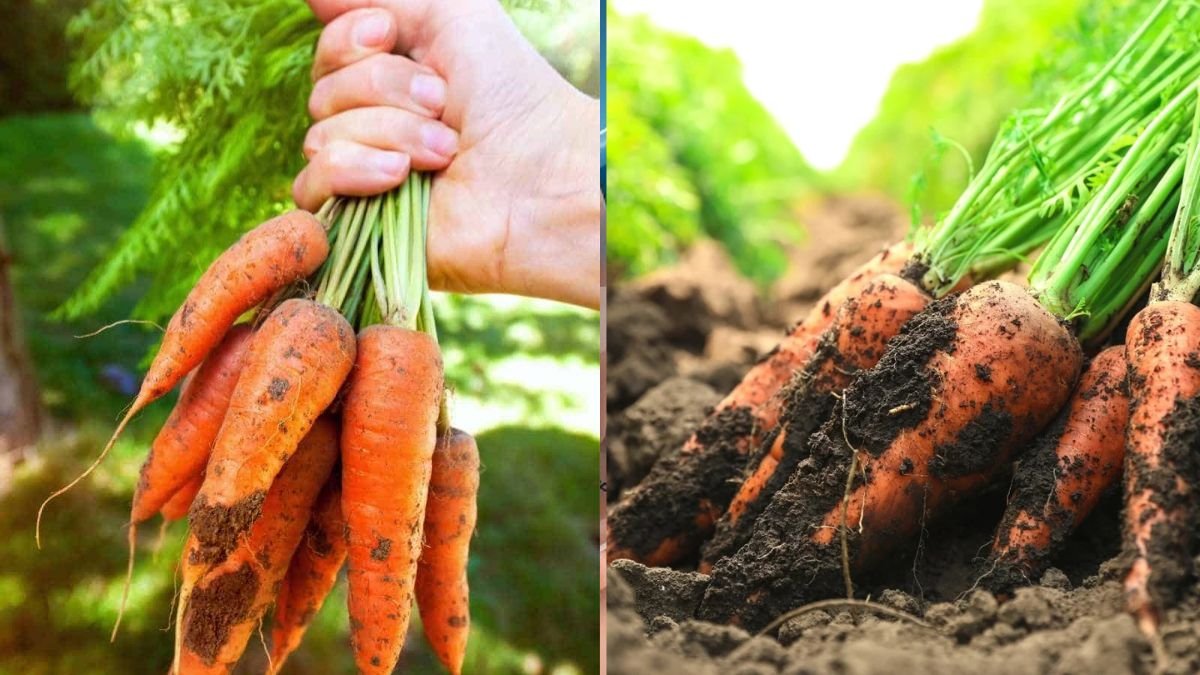
Why Layered Carrot Growing Is Revolutionary
Carrots (Daucus carota) are sensitive to soil conditions. Poorly structured or compacted soil can lead to forked roots, stunted growth, or low yields. The layered growing method addresses these challenges by creating different soil zones tailored to carrot development. Each layer serves a purpose: promoting deep root growth, supplying consistent nutrients, and enhancing soil biology.
Organic carrot cultivation is increasingly popular because it avoids synthetic fertilizers and pesticides, encourages balanced soil biology, and often produces roots with higher nutrient content compared to conventional methods. (mdpi.com)
By combining layered planting techniques with organic soil amendments, gardeners can accelerate carrot growth, increase root size, and produce high-quality, pesticide-free vegetables.
Understanding the Three-Layer System
The “three-layer carrot system” draws inspiration from permaculture, vertical farming, and no-dig gardening techniques, which emphasize soil health, nutrient availability, and microbial activity. The system consists of three distinct layers:
1. Deep Root Zone Layer
Carrots need deep, loose soil to allow straight, long taproots to develop. The bottom layer should be made of light, friable material such as sandy loam or a mix of garden soil and sharp sand.
Benefits:
- Promotes downward root growth
- Prevents forked or deformed carrots
- Ensures good drainage, reducing rot and root diseases
For raised beds or containers, this layer should be 12–18 inches deep, depending on the carrot variety. Adequate depth ensures that the taproot has enough room to grow straight and healthy. (doityourself.com)
2. Nutrient-Rich Middle Layer
The middle layer is where carrots absorb most of their nutrients. This layer should consist of well-rotted compost, vermicompost, or organic garden soil. It provides a slow, steady supply of nutrients, supporting robust growth without overwhelming the roots.
Benefits:
- Supplies essential macro- and micro-nutrients
- Promotes uniform root growth
- Improves overall plant vigor
Maintaining a healthy middle layer encourages carrots to grow faster and sweeter, as nutrient availability directly influences sugar accumulation in roots. (mdpi.com)
3. Mulch and Microbial Support Layer
The top layer consists of organic mulch such as straw, grass clippings, or leaves. This layer retains moisture, regulates soil temperature, and encourages beneficial microbial activity.
Benefits:
- Reduces evaporation, keeping soil moist for consistent growth
- Supports soil life such as earthworms and beneficial microbes
- Prevents weed growth and protects seedlings
Over time, the mulch decomposes, enriching the soil with organic matter and feeding the carrots naturally. (en.wikipedia.org)
How Layering Accelerates Carrot Growth
The three-layer system accelerates growth by:
- Optimizing root development: Deep, loose soil allows taproots to elongate efficiently.
- Providing consistent nutrients: The nutrient-rich middle layer ensures a steady supply of food for growing roots.
- Enhancing soil biology: The top mulch layer supports microbes that help plants absorb nutrients and resist disease.
This combination results in faster, healthier, and larger carrots compared to traditional single-layer planting. Carrots grown in this way tend to be sweeter, straight, and visually appealing — perfect for home gardens, farmer markets, or family consumption.
Step-by-Step Guide to Setting Up a Three-Layer Carrot Bed
- Prepare the bed or container: Ensure at least 12–18 inches of depth for root development. Loosen soil at the bottom for aeration.
- Add the root zone layer: Use a mix of sandy loam or sharp sand for the bottom 4–6 inches. Ensure proper drainage.
- Add the nutrient-rich layer: Spread 3–4 inches of well-rotted compost or vermicompost. Mix gently to avoid compacting the soil.
- Top with mulch: Apply 2–3 inches of straw, leaves, or grass clippings.
- Sow seeds or seedlings: Plant carrot seeds evenly according to variety spacing requirements. Thin seedlings as they grow to prevent crowding.
- Water consistently: Keep soil moist, avoiding waterlogging that can deform roots.
- Maintain soil and mulch: Replenish mulch as needed to retain moisture and support soil life.
Following these steps ensures that your carrots have the best conditions for rapid growth and maximum yield.
Additional Organic Tips for Success
- Use organic seeds: Choose varieties suited for organic growth.
- Avoid synthetic fertilizers: Stick to compost, vermicompost, and organic amendments.
- Promote microbial life: Compost teas or organic inoculants can enhance soil health.
- Control water carefully: Consistent moisture ensures smooth growth; too much water causes forked roots.
- Ensure adequate sunlight: Carrots need at least 6–8 hours of sunlight daily.
These practices, combined with the layered system, result in organic, high-quality carrots with faster growth and better flavor.
Vegetables Compatible with Layered Growing
While carrots benefit most from deep layering, similar principles can be applied to other root vegetables:
- Radishes
- Beets
- Turnips
- Parsnips
- Baby onions
These crops thrive when provided with a structured, nutrient-rich layered environment that supports their root development.
Authoritative Sources and References
- Organic Carrot Yield Study – Shows the advantages of organic carrot cultivation. (mdpi.com)
- Carrot Improvement for Organic Agriculture Project – Focuses on organic-friendly carrot varieties. (eorganic.info)
- Vertical Farming Principles – Multi-tiered and layered growing systems increase yields in small spaces. (en.wikipedia.org)
- No-Dig Gardening – Explains the benefits of mulch and soil layering for plant health. (en.wikipedia.org)
- Container Gardening for Carrots – Practical guidance for layered setups in small spaces. (groworganic.com)
Final Thoughts
The three-layer carrot growing method is a breakthrough in organic gardening. By providing distinct soil zones for roots, nutrients, and microbial support, this approach ensures fast growth, high yields, and healthy, sweet carrots.
Whether in raised beds, deep containers, or traditional garden plots, layering allows gardeners to maximize carrot quality and quantity organically. With the right care, seeds, and organic inputs, this method can transform your carrot harvest and make home-grown, pesticide-free vegetables easier than ever to achieve.
Start implementing this technique today with [FOCUS KEYWORD], and enjoy bigger, sweeter, healthier carrots right from your garden!