Background Context
Melons — including varieties like honeydew, cantaloupe, musk melon, and small heirlooms — thrive in warm, sunny environments. They require nutrient-rich, well-drained soil and enough space for their sprawling vines. Traditionally, gardeners spend significant amounts on raised beds, specialized fertilizers, and containers.
However, zero-budget gardening techniques are gaining popularity. By using recycled household items, kitchen waste for compost, and clever support systems, you can cultivate melons successfully without buying anything. These methods not only reduce gardening costs but also promote sustainability by reusing materials and minimizing waste. (apmcmarket.org)
Many urban and budget-conscious gardeners have shared inspiring stories of growing fruit-bearing plants without spending money. With careful planning, patience, and creativity, melons can thrive even in unconventional spaces.
Why Grow Melons Without Spending Money?
There are several advantages to starting a zero-cost melon garden:
- Recycling Household Waste – Containers, old nets, and kitchen scraps can all be repurposed, reducing environmental impact.
- Accessibility – Anyone, regardless of budget, can grow melons using materials at hand.
- Sustainability – Avoiding commercial fertilizers and bought containers promotes eco-friendly gardening practices.
- Learning Opportunity – You gain hands-on experience in soil preparation, composting, and plant management.
Even with limited space, zero-cost strategies allow you to grow a productive melon garden. The key is combining innovative container systems, homemade compost, and free supports to maximize growth and yield.
Step-by-Step Guide to Building a Free Melon Garden
Here’s how I created my dream melon garden without spending a dime.
1. Gather Containers and Supports from Around the House
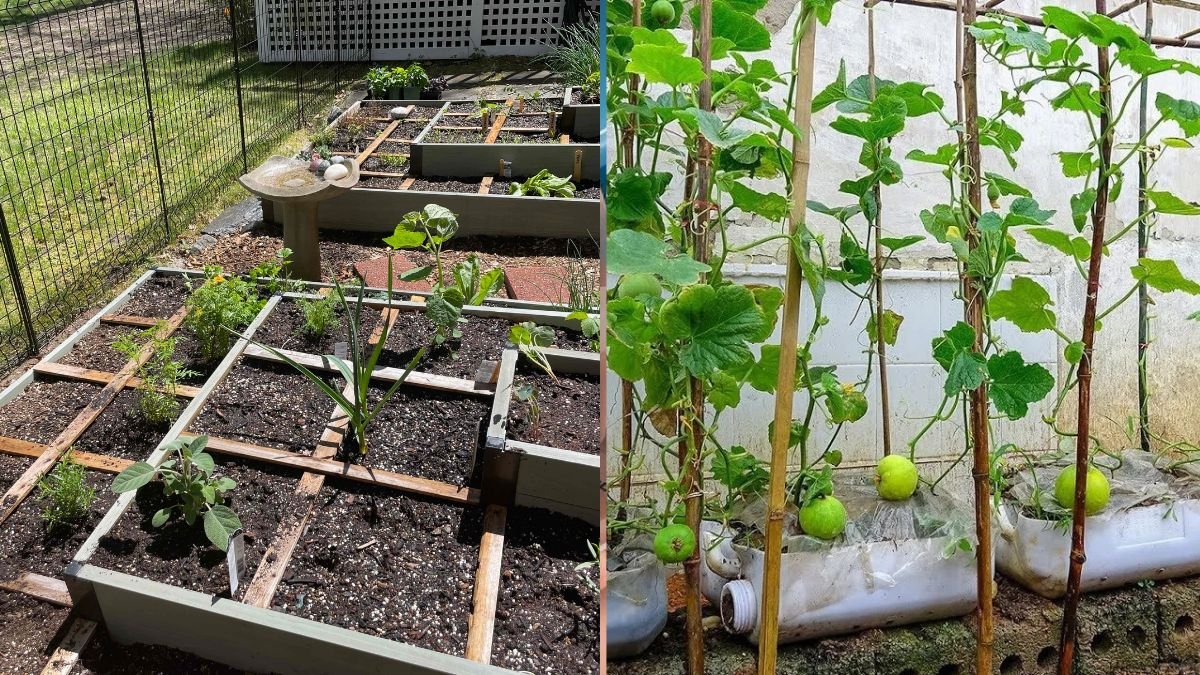
Melons need space for roots and vines. You don’t need to buy new planters — almost anything can work:
- Old buckets, tubs, and crates
- Used rice or flour sacks as grow bags
- Recycled plastic containers
- Spare wooden pallets, sticks, or bamboo for vine supports
If space is limited, vertical growing is an excellent solution. You can train vines to climb fences, nets, or trellises made from repurposed materials. Supporting the melons prevents the vines from sprawling too much and reduces the risk of disease. (apmcmarket.org)
2. Create Natural Fertilizer from Kitchen Waste
One of the most powerful zero-cost strategies is turning kitchen waste into compost. Fruit peels, vegetable scraps, eggshells, coffee grounds, and tea leaves all break down into nutrient-rich material that promotes growth and sweetness in melons.
How to Make Kitchen Compost for Melons:
- Layer a mix of kitchen waste and soil at the bottom of your container.
- Cover the scraps with soil or cocopeat to prevent pests.
- Water lightly — microbes will break down the organic matter into compost over time.
This method not only provides essential nutrients but also encourages healthy microbial activity in the soil, which improves root growth and fruit production. (apmcmarket.org)
3. Prepare a Rich, Free Soil Mix
Melons thrive in loose, well-draining soil. You can prepare a nutrient-dense soil mix without spending money:
- Garden soil from your yard
- Mulched leaves or grass clippings
- Partially decomposed kitchen compost
Mixing these ingredients creates a lightweight, fertile growing medium. Adding straw or small sticks keeps the soil aerated, helping roots grow deep and strong — essential for supporting large, juicy melons.
4. Plant Seeds or Recycle Seeds from Store-Bought Melons
If you don’t have purchased seeds, you can save seeds from melons bought at the store. Wash and dry the seeds, then plant 2–3 seeds per container about 1 inch deep. Once seedlings sprout, select the strongest to continue growing.
Melons prefer warmth, so place your containers in direct sunlight once seedlings have developed. (apmcmarket.org)
5. Maximize Sunlight Exposure
Sunlight is critical for melons to produce sugars and grow quickly. Aim for at least 6–8 hours of direct sunlight per day. Containers on terraces, balconies, or sunny windowsills can work well for limited spaces. Sunlight fuels photosynthesis, increasing both growth rate and fruit sweetness. (idealhome.co.uk)
6. Water Smartly
Melons need consistent moisture, especially when establishing vines. Watering should be:
- Frequent but moderate during early growth
- Less frequent once fruits start forming
- Focused at the base to avoid wetting leaves and preventing disease
Deep watering encourages strong root systems and improves sugar concentration in fruits, making them sweeter. (idealhome.co.uk)
7. Support and Train the Vines
As melons grow, their vines need guidance and support. You can use:
- Fences, nets, or old trellis pieces
- Bamboo sticks or wooden stakes
- Soft slings made from old cloth to support heavy fruits
Supporting vines ensures fruits stay healthy, reduces fungal risks, and maximizes yield. (apmcmarket.org)
8. Encourage Pollination
Pollination is essential for fruit set. If bees are scarce, you can hand-pollinate by transferring pollen from male flowers to female flowers with a small brush or cotton swab. Better pollination leads to more fruits in less time.
9. Harvest at Peak Ripeness
Melons are sweetest when fully ripe. Signs of ripeness include:
- Fragrant aroma
- Slight color change near the base
- Easy separation from the vine
Harvesting at the right time ensures maximum sweetness and flavor. (allthatgrows.in)
Extra Tips from Zero-Budget Gardeners
- Vertical Melon Vines: Train melons up fences or netting to save space and improve airflow. (reddit.com)
- DIY Slings: Use old T-shirts or cloth to cradle heavier fruits. (reddit.com)
- Manual Soil Checks: Test soil moisture with your fingers to know when to water next, avoiding overwatering.
These hacks complement the zero-cost approach and help maintain healthy vines and fruit.
Authoritative Sources to Learn More
- Ideal Home – How to Grow Melons (idealhome.co.uk)
- MyDIYAgriFarm – Ultimate Guide to Growing Melons (mydiyagrifarm.com)
- AllThatGrows – Grow Melons at Home (allthatgrows.in)
- Kitchen Waste Composting Guides (apmcmarket.org)
Conclusion
Creating a melon garden without spending money is entirely possible with a combination of creativity, resourcefulness, and a bit of patience. By repurposing containers, turning kitchen scraps into compost, and using simple supports, you can grow a lush, fruit-bearing melon patch anywhere — even on a balcony or small backyard.
With [FOCUS KEYWORD], you’re not just saving money; you’re cultivating sustainability, self-reliance, and the joy of harvesting juicy, sweet melons grown entirely from materials you already have. Start your zero-cost melon garden today and enjoy the fruits of your ingenuity!