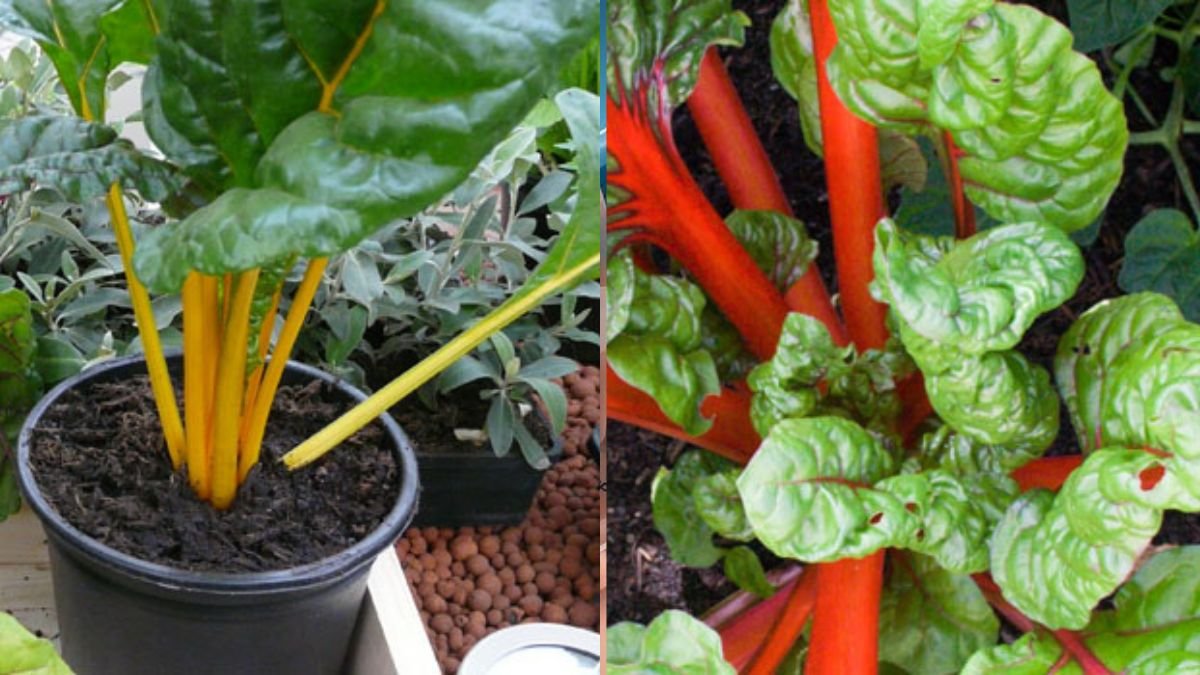
Introduction: Rainbow Chard for Everyone
Rainbow chard, a vibrant variety of Swiss chard, is celebrated for its brightly colored stems, nutrient-rich leaves, and versatility in cooking. From deep reds to yellows, oranges, and whites, it adds both color and nutrition to any meal. Traditionally, this leafy green has been grown in garden beds, but what if you don’t have a yard?
The good news is that rainbow chard is extremely adaptable. With a few simple techniques, you can grow it anywhere — on balconies, terraces, windowsills, or even indoors. The result? Fresh, healthy greens at your fingertips, no garden required. Urban gardeners worldwide are discovering this simple method, proving that space is no longer a limitation.
Why Rainbow Chard Is Perfect for Non-Garden Growing
Rainbow chard (Beta vulgaris) is not just visually stunning — it’s also practical for limited-space gardening. Its compact growth habit and tolerance for containers make it ideal for small spaces. Whether you live in an apartment or have a tiny backyard, rainbow chard can thrive in pots, grow bags, or even vertical planters.
Benefits of rainbow chard for urban growers:
- Adaptable to containers: Performs well in pots of various sizes.
- Fast, continuous harvest: Outer leaves can be picked multiple times as the plant grows.
- Highly nutritious: Rich in vitamins A, C, K, and minerals like magnesium and iron.
- Versatile: Great for salads, stir-fries, soups, and garnishes.
- Aesthetic appeal: Colorful stems enhance both garden and kitchen presentation.
This combination of beauty, nutrition, and adaptability makes rainbow chard a favorite among urban and indoor gardeners. (RHS.org.uk)
What Happens When You Grow Rainbow Chard Without a Garden
Growing rainbow chard outside a traditional garden offers several unique advantages:
1. Space Efficiency
Rainbow chard requires only 25–30 cm (10–12 inches) of soil depth in a container to grow robustly. This allows you to cultivate it on balconies, patios, terraces, or windowsills, making it perfect for city dwellers. (RHS.org.uk)
2. Continuous Harvesting
By practicing a cut-and-come-again method, you can harvest outer leaves while letting the plant continue producing new growth. This maximizes yield from a single container and provides a steady supply of fresh greens. (RHS.org.uk)
3. Better Control Over Conditions
Containers allow you to control soil quality, moisture, and sunlight, giving rainbow chard optimal growth conditions. This often results in faster growth and tender, flavorful leaves compared with traditional in-ground planting. (HarvestToTable.com)
4. Fresher, Healthier Greens
Having rainbow chard at arm’s reach means you can harvest immediately before cooking, ensuring maximum nutrient retention and flavor. Unlike store-bought greens, home-grown chard is free from pesticides and chemical preservatives.
Step-by-Step Guide: Growing Rainbow Chard Anywhere
Step 1: Choose the Right Container
Select a container at least 25–30 cm deep with drainage holes. Options include traditional pots, grow bags, recycled buckets, or even vertical planters. Proper drainage is crucial to avoid root rot. (RHS.org.uk)
Step 2: Use Quality Potting Mix
Fill the container with moist, well-draining potting mix. Incorporate organic compost or a slow-release fertilizer to provide essential nutrients for healthy growth. Avoid using garden soil, which may compact and limit drainage. (HarvestToTable.com)
Step 3: Sow Seeds or Plant Seedlings
- Seeds: Sow 1 cm deep, spacing 10–15 cm apart.
- Seedlings: Transplant with care into prepared soil, maintaining similar spacing.
Thinning may be necessary to prevent overcrowding and ensure robust leaf growth. (RHS.org.uk)
Step 4: Provide Sunlight
Place containers in a sunny location with at least 5–6 hours of direct sunlight per day. Too little light slows growth and reduces leaf tenderness. For indoor setups, supplement with LED grow lights if natural light is insufficient.
Step 5: Water Consistently
Keep soil evenly moist but not waterlogged. Water when the top inch of soil feels dry. Consistent moisture supports continuous leaf growth and prevents stress-related bitterness. (TheAllotmentCollective.co.uk)
Step 6: Harvest Properly
Begin harvesting leaves when they reach 8–10 cm tall. Cut outer leaves while leaving the central growth intact, allowing the plant to continue producing. This method provides multiple harvests over several months. (RHS.org.uk)
Background: Rainbow Chard and Urban Gardening
Urban gardening is transforming how people access fresh produce. Balconies, terraces, and indoor spaces are increasingly being used to grow vegetables traditionally limited to gardens. Rainbow chard is particularly well-suited for this trend due to its adaptability, aesthetic appeal, and high productivity in containers.
Urban gardeners also use vertical gardens, stackable pots, and hydroponic systems to grow leafy greens like chard, herbs, and spinach, making small spaces surprisingly productive. Even limited sunlight areas can support rainbow chard with supplemental lighting or careful positioning. (NDTV.in)
Benefits of Growing Rainbow Chard Without a Garden
- Minimal space required: Perfect for apartments, balconies, or small patios.
- Fewer pests: Indoor or container setups reduce soil-borne pests and diseases.
- Full control over nutrients and water: Optimized growth and leaf quality.
- Year-round harvest: With indoor setups or container mobility, you can grow rainbow chard year-round.
- Ornamental and edible: Bright stems make a visually appealing edible garden feature.
Recommended Authoritative Sources
- 🌿 RHS Guide – How to Grow Chard — step-by-step container and garden instructions (RHS.org.uk)
- 🌱 Rainbow Chard Container Growing — detailed urban gardening tips (RHS.org.uk)
- 🌿 Growing Swiss Chard in Containers — practical advice for beginners (HarvestToTable.com)
Conclusion
Growing rainbow chard anywhere, even without a garden, is easier than many people think. By using containers, choosing the right potting mix, providing sufficient sunlight and water, and harvesting smartly, you can enjoy fresh, nutritious, and colorful greens right at home.
Whether on a balcony, terrace, or indoors, this method allows gardeners — from beginners to urban professionals — to maximize yield, minimize space, and create a beautiful, edible garden. Rainbow chard proves that you don’t need a traditional plot to enjoy the satisfaction of growing your own food.
With this simple technique, anyone can turn small spaces into productive, vibrant gardens and enjoy the benefits of fresh, home-grown greens all year round.