Introduction
For years, I bought melons from the local market without thinking much about where they came from or how they were grown. Some were sweet, some were bland, and many were disappointing. Then one summer, I decided to try something different. Instead of buying melons, I planted a few seeds in my garden. What happened next changed how I see food forever.
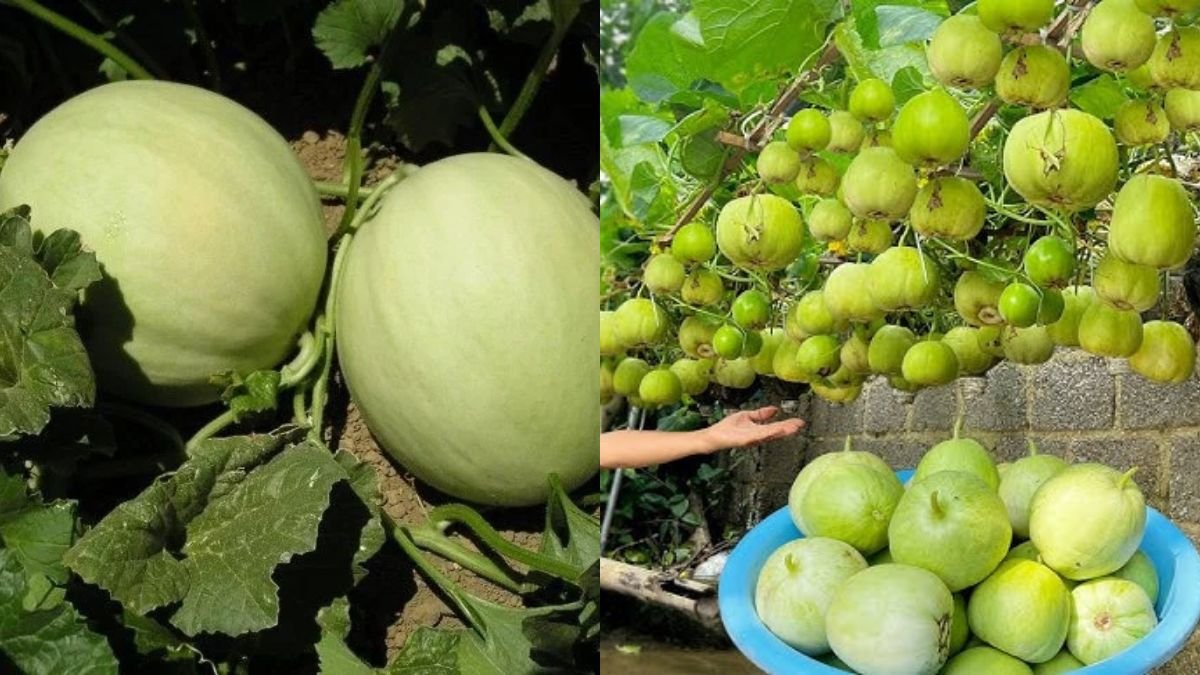
The truth is, instead of buying, I grow melons myself and the results are truly surprising. Not only were the fruits bigger and sweeter, but the experience of watching them grow made every bite more enjoyable. Growing melons at home is easier than many people think, and the rewards go far beyond saving money.
Why Store-Bought Melons Often Disappoint
Most melons sold in stores are picked before they are fully ripe. This is done so they can survive long transportation and storage. Unfortunately, when melons are harvested too early, they don’t develop their full flavor and sweetness.
When you grow melons at home, you can leave them on the vine until they are perfectly ripe. This allows the natural sugars to fully develop, creating a taste that store-bought melons rarely match. Many gardeners are shocked by how much better homegrown melons taste — richer, sweeter, and more fragrant.
The Joy of Growing Your Own Melons
Growing melons is not just about the final harvest. It is about the entire journey. Watching vines spread, flowers bloom, and fruits slowly grow is deeply satisfying. You feel connected to your food in a way that shopping can never provide.
When you plant a melon seed, you are starting a process that turns sunlight, water, and soil into something delicious. This sense of creation is one of the biggest reasons why people who start growing melons rarely go back to only buying them.
Getting Started: What Melons Need to Grow Well
Melons love warmth, sunlight, and rich soil. If you provide these three things, you are already on the path to success.
Sunlight
Melons need at least 6 to 8 hours of direct sunlight every day. The more sun they get, the sweeter and healthier the fruit will be. Choose the sunniest spot in your garden or balcony.
Soil
Melons prefer loose, well-drained soil full of organic matter. Mixing compost or aged manure into your soil before planting helps give the plants the nutrients they need to grow strong vines and sweet fruit.
Water
Melons like consistent moisture. The soil should stay damp but not waterlogged. Deep watering a few times a week is better than shallow watering every day. This encourages strong roots and healthier plants.
Planting Melons the Right Way
You can plant melons directly in the ground or in large containers. Make small mounds of soil and plant two or three seeds in each mound. Once the seedlings grow a few inches tall, keep the strongest plant and remove the rest.
Spacing is important. Melon vines need room to spread. Crowded plants compete for sunlight, water, and nutrients, which can reduce the size and sweetness of the fruit.
The Secret Power of Pollination
One of the most surprising lessons for new melon growers is the importance of pollination. Melon plants produce male and female flowers. Bees and other insects move pollen from the male flowers to the female ones, allowing fruit to form.
If you don’t see many bees in your garden, you can help by hand-pollinating. Use a small brush or even your finger to move pollen from a male flower to the center of a female flower. This simple step can greatly increase the number of melons your plants produce.
Supporting the Vines
Melon vines can grow long and heavy. You can let them spread across the ground, or you can train them to climb a trellis. Growing melons vertically saves space and keeps the fruit cleaner.
If you use a trellis, support the developing fruits with cloth or netting so their weight doesn’t pull them off the vine. This method works especially well for smaller melons and honeydew varieties.
Why Fewer Fruits Can Mean Better Melons
It may seem strange, but removing some young melons actually leads to better results. When a plant tries to grow too many fruits at once, none of them get enough energy. By keeping only a few fruits on each vine, you allow the plant to focus its strength on those melons, making them larger and sweeter.
Keeping Plants Healthy Naturally
Healthy plants produce the best melons. Check your vines regularly for yellow leaves or signs of pests. Removing damaged leaves improves air flow and reduces disease.
You can also attract helpful insects by planting flowers nearby. Ladybugs, bees, and other beneficial insects help control pests and improve pollination.
Knowing When to Harvest
One of the biggest advantages of growing your own melons is being able to harvest them at the perfect time. Different types of melons give different signs when they are ripe.
- Watermelons are ready when the spot that touches the ground turns yellow and the skin becomes dull.
- Cantaloupes often slip easily from the vine when ripe.
- Honeydews change color and develop a sweet smell.
Picking a melon at the right moment makes all the difference in flavor.
Why the Results Are Truly Surprising
Most people don’t expect homegrown melons to be so much better than store-bought ones. But once you taste a melon that ripened naturally on the vine, you understand why so many gardeners become passionate about growing them.
The sweetness, aroma, and texture are on another level. Many gardeners say their homegrown melons taste like candy compared to what they used to buy.
Saving Money and Reducing Waste
Growing your own melons can also save money. A single packet of seeds can produce dozens of fruits. You also avoid wasting money on melons that turn out bland or spoiled.
Plus, there is less packaging and transportation involved, making homegrown melons a more eco-friendly choice.
A Better Relationship With Food
When you grow melons yourself, you start to appreciate how much care and time goes into producing food. This often leads to healthier eating habits and a deeper respect for nature.
Gardening also reduces stress and gives you a sense of achievement. Watching your melons grow from tiny flowers into heavy, sweet fruits is incredibly rewarding.
Conclusion
If you have ever thought about growing your own melons, now is the perfect time to start. Instead of buying, I grow melons myself and the results are truly surprising — not just in taste, but in satisfaction, savings, and joy.
With a little sunlight, good soil, and regular care, you can enjoy melons that are sweeter and fresher than anything from a store. Once you experience the magic of harvesting your own perfectly ripe melon, you may never want to go back to buying them again.