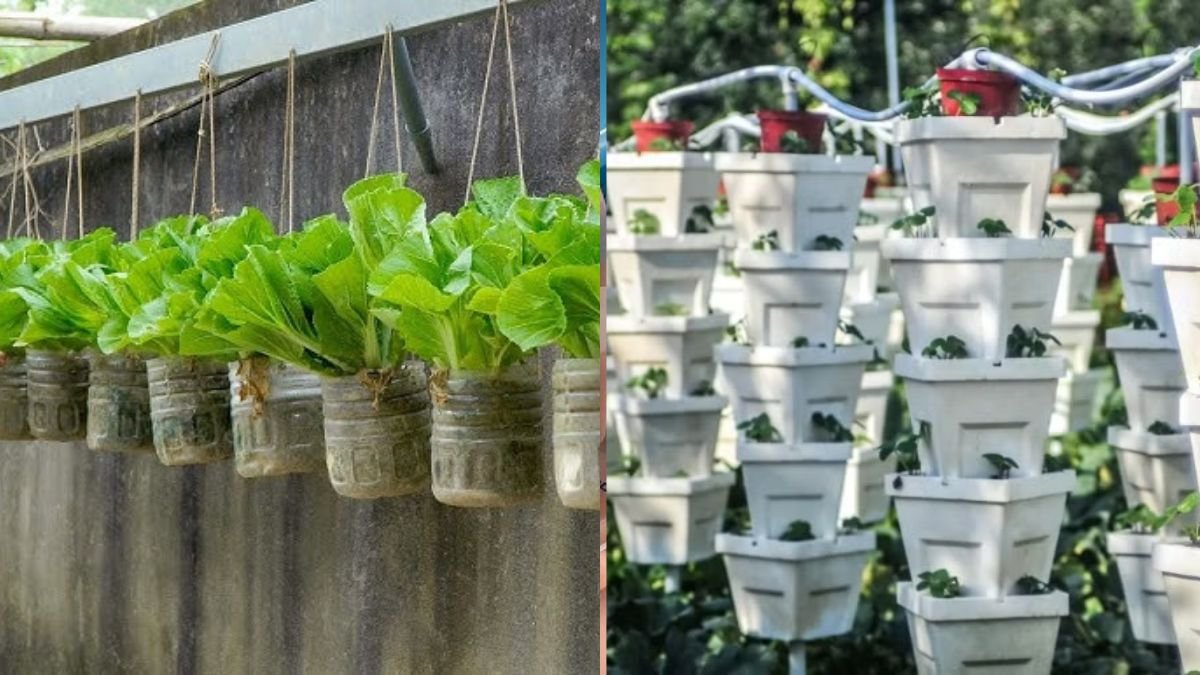
Introduction: The Summer Gardening Challenge
As summer temperatures rise, gardeners face a dual challenge: growing fresh produce while keeping their spaces cool. Traditional gardening methods often require large areas and can make patios, balconies, or rooftops hotter due to exposed soil and sparse foliage.
Enter the vegetable tower, a smart vertical gardening solution that allows you to grow abundant vegetables in a compact, space-saving design. Not only do these towers maximize harvests, but they also provide natural cooling, turning hot urban spaces into green, refreshing environments. Whether you live in a townhouse, apartment, or have limited backyard space, a vegetable tower is a practical and eco-friendly summer solution. (The VertiGreen)
What Is a Vegetable Tower?
A vegetable tower is a vertical gardening system designed to grow vegetables upward rather than outward. Towers can be soil-based, hydroponic, or aeroponic, and often consist of multiple modular layers or compartments. This vertical setup allows for efficient use of limited space while providing higher yields per square foot.
Key advantages include:
- Space Efficiency: Ideal for small patios, balconies, or terraces.
- Increased Yield: More plants can be grown in less ground space.
- Better Airflow: Elevated plants reduce the risk of pests and fungal diseases.
- Aesthetic Appeal: Creates lush vertical greenery, enhancing the look of your space.
- Natural Cooling: Dense foliage helps reduce surrounding air temperature. (Vertical Live Garden)
How Vegetable Towers Help Cool Your Home
Beyond producing fresh vegetables, vertical gardens can moderate heat and improve comfort in summer months.
1. Shade and Evapotranspiration
Plants release water through their leaves in a process called evapotranspiration, which cools the surrounding air. A vegetable tower increases leaf surface area without taking extra floor space, creating a noticeable microclimate cooling effect. (YouTube)
2. Green Surface Cooling
Towers act as a living curtain that shields walls and patios from direct sunlight, reducing heat absorption and creating cooler surroundings. This is particularly useful in urban areas with exposed concrete or brick surfaces.
3. Improved Airflow
The vertical structure allows air to circulate freely around plants, enhancing convection and helping dissipate heat more effectively than traditional low beds.
While vegetable towers don’t replace air conditioning, they provide natural cooling benefits, making your outdoor spaces more comfortable. (YouTube)
Best Vegetables for Summer Towers
Choosing the right crops is essential for maximizing yield and ensuring plants thrive in the heat. Here are the most suitable vegetables for summer vertical gardens:
Heat-Tolerant Leafy Greens
- Malabar Spinach: Thrives in hot weather; perfect for salads and cooking.
- Swiss Chard: Continues producing even in intense heat.
- Kale & Pac Choi: Can tolerate partial shade and high temperatures. (Living Towers)
Fruit Vegetables
- Cucumbers: Climb naturally on towers; provide abundant fruit.
- Cherry Tomatoes: Compact and prolific; perfect for container growth.
- Eggplants & Okra: Heat-loving vegetables that thrive in summer towers.
Herbs and Companion Plants
- Chives: Easy to grow, tolerant of heat, and provide dense foliage.
- Basil & Parsley: Flavorful herbs that also add greenery to the tower. (Savana Garden)
Other Options
- Peppers: Sweet and hot varieties grow well with vertical support.
- Strawberries: Compact, fruit-bearing plants ideal for towers.
Vertical towers allow continuous harvests throughout the summer while creating a lush green wall that contributes to cooling. (Living Towers)
Tips for Successful Summer Vegetable Towers
To maximize both yield and cooling effects, follow these practical tips:
1. Sunlight and Orientation
Ensure your tower receives at least 6–8 hours of sunlight. In very hot climates, partial shade may help protect delicate crops. (Garden Tower Project)
2. Watering
Towers dry out faster than traditional gardens. Water daily or every other day during hot months, checking soil moisture frequently.
3. Nutrients
Feed plants with nutrient-rich compost or organic fertilizer to maintain healthy growth. Nutrient delivery is especially important for stacked systems where water and nutrients drain quickly.
4. Rotate for Even Growth
Occasionally rotate your tower to ensure all plants receive equal sunlight exposure, preventing uneven growth.
5. Succession Planting
Harvest early crops and replant to maintain continuous productivity throughout the summer. Fast-growing greens and herbs are ideal for this approach.
Implementing these strategies ensures a thriving vegetable tower and enhances the cooling benefits for your living space. (Garden Tower Project)
Design Considerations for Summer Towers
When building or choosing a tower, consider:
- Modular vs. Fixed Design: Modular systems allow you to add layers as needed.
- Soil vs. Hydroponic: Hydroponics ensures precise nutrient delivery and reduces soil-borne diseases.
- Drainage: Proper drainage prevents root rot and maintains airflow.
- Materials: Use durable, weather-resistant materials that withstand sun exposure.
Even simple DIY towers using recycled bottles or containers can work effectively if they provide adequate sunlight, water, and structural support.
Environmental and Lifestyle Benefits
Vegetable towers contribute to sustainability and quality of life:
- Reduces food miles: Grow your own fresh produce at home.
- Eco-friendly: Vertical gardens reduce urban heat and encourage greenery.
- Space-efficient gardening: Perfect for urban balconies, rooftops, and small yards.
- Enhanced well-being: Gardening and greenery improve mood and comfort during hot months.
The combination of yield, space efficiency, and natural cooling makes vegetable towers an ideal choice for summer gardening.
Authoritative Sources for Further Reading
- Flat Gardening: Guide on building vertical garden towers. (Flat Gardening)
- Living Towers: Best crops to grow in summer tower gardens. (Living Towers)
- Garden Tower Project: Watering, nutrients, and plant care for towers. (Garden Tower Project)
- SavanaGarden: Tower garden planting ideas and success stories. (Savana Garden)
These resources provide step-by-step guidance, seasonal tips, and inspiration for both beginners and experienced gardeners.
Conclusion
Planting Vegetable Tower For Summer, Not Only Delicious But Also Excellent For Cooling is a smart, practical solution for urban and small-space gardeners. By combining heat-tolerant crops, efficient watering, and vertical design, you can grow abundant vegetables while reducing the temperature in your living space.
A summer vegetable tower allows for:
- Continuous harvests of fresh produce
- Natural cooling effects through shade and evapotranspiration
- A lush, green aesthetic that enhances your environment
Whether it’s cucumbers, cherry tomatoes, herbs, or leafy greens, vegetable towers provide food, comfort, and greenery in limited spaces. Start your tower garden this summer and enjoy fresh, homegrown produce while keeping your surroundings cooler and more pleasant.