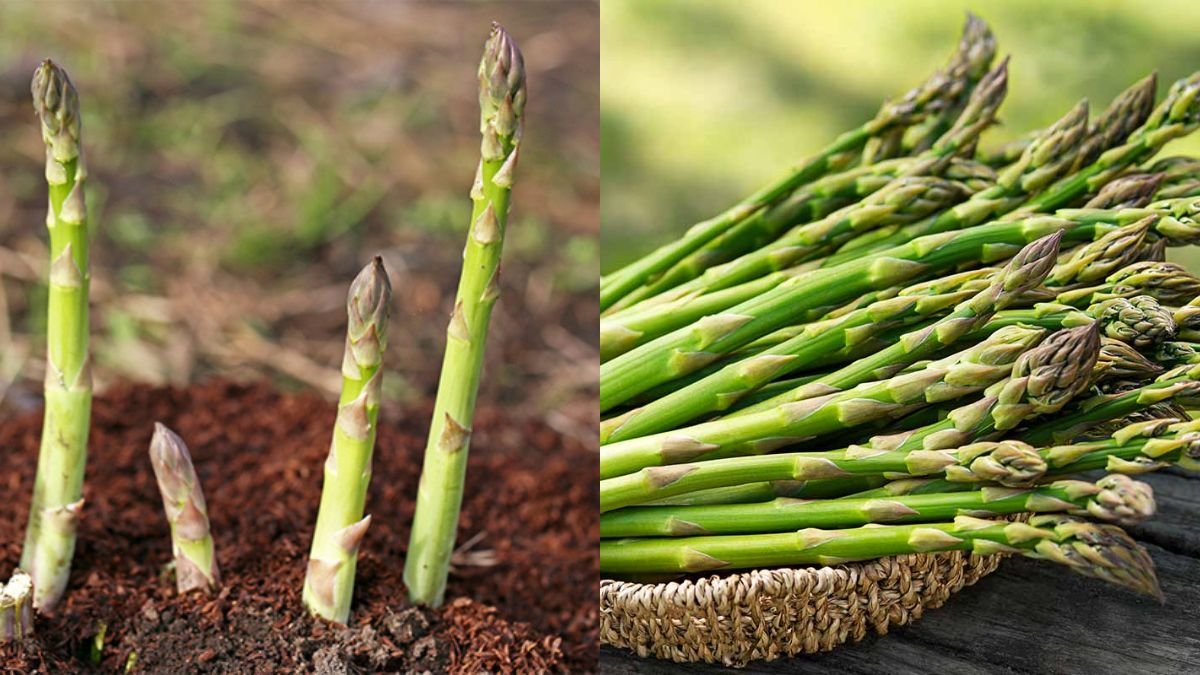
Understanding Asparagus: A Perennial Gem
Asparagus (Asparagus officinalis) is a perennial, meaning it returns year after year, producing spears in spring after going dormant in winter. Because of this, asparagus is one of the longest-lived and most productive garden vegetables. (almanac.com)
Key points about asparagus:
- Longevity: Well-maintained plants can produce for 15–30 years.
- Harvest Timing: Full harvest is typically possible 2–3 years after planting from seed, or faster if planting crowns. (indiatimes.com)
- Fast Growth During Harvest: Mature plants produce shoots that can grow up to 3–4 inches per day in ideal conditions. (almanac.com)
This combination of longevity and productivity makes asparagus one of the most valuable vegetables to grow at home.
1. Choosing the Right Variety
Selecting a high-yield and suitable variety is crucial for fast, productive harvests. Consider these popular options:
- ‘Mary Washington’: A classic variety with consistent yields. (thespruce.com)
- ‘Purple Passion’: Known for faster harvest and sweet, colorful spears.
- ‘Jersey Knight’: Disease-resistant and highly productive.
Choosing the right variety ensures vigorous growth and abundant harvests, even for beginner gardeners.
2. Picking the Best Location
Sunlight
Asparagus requires full sun, ideally 6–8 hours per day. This promotes thick, strong spears and healthy fern growth after harvest. (nextstepliving.com)
Soil Requirements
Well-draining soil is essential to prevent root rot and encourage healthy growth.
- Ideal soil: sandy-loam enriched with organic matter. (newsbytesapp.com)
- Soil pH: Slightly acidic to neutral (6–7.5).
- Soil amendments: Incorporate compost or well-rotted manure before planting.
Raised beds or large containers can also work, as long as roots have space and drainage is good. (vegudyan.com)
3. Planting Asparagus Properly
Starting from Crowns
Most home gardeners use 1-year-old asparagus crowns for faster harvest. (indiatimes.com)
Steps for planting:
- Dig trenches 12–18 inches deep and wide. (newsbytesapp.com)
- Spread roots of each crown evenly in the trench.
- Cover with a few inches of soil, filling gradually as shoots grow.
This method accelerates harvest readiness compared to starting from seed.
4. Watering and Mulching
Watering
Asparagus needs consistent moisture to support fast shoot growth:
- Water deeply once or twice a week, depending on rainfall. (agriculturereview.com)
- Avoid waterlogging to prevent root rot.
Mulching
Apply straw, compost, or wood chips to:
- Retain soil moisture
- Suppress weeds
- Moderate soil temperature (vegudyan.com)
Mulching is especially useful in containers and raised beds where soil can dry quickly.
5. Fertilization for Maximum Yield
Asparagus are heavy feeders. Proper nutrition boosts spear growth and long-term productivity:
- Apply balanced fertilizer in early spring before spears emerge. (agrownet.in)
- Reapply after harvest to replenish nutrients.
- Organic options: compost, fish emulsion, or aged manure.
Consistent feeding ensures asparagus remains productive for years.
6. Harvesting: Timing and Technique
Harvesting is where patience meets reward:
- Year 1: Avoid harvesting to let roots establish.
- Year 2: Harvest sparingly for a few weeks.
- Year 3 and beyond: Full harvest for 4–8 weeks in spring. (almanac.com)
Harvest tips:
- Pick spears 6–10 inches long, cutting or snapping at soil level.
- Frequent harvesting encourages more productive spears.
During peak season, spears can grow several inches per day, making this crop fast to harvest once mature. (almanac.com)
7. Pest and Disease Management
Common asparagus pests include asparagus beetles and aphids. Preventative care includes:
- Handpicking pests or using organic sprays like neem oil. (agrownet.in)
- Cutting back ferns after frost reduces pest habitats. (thespruce.com)
- Ensure good airflow between plants to prevent fungal issues.
Proper care results in healthy, productive plants year after year.
8. Long-Term Care for Continuous Productivity
- Maintain fertility with annual compost or fertilizer.
- Cut back old foliage in fall to prepare plants for winter dormancy.
- After 10–15 years, divide and replant crowns if the bed becomes overcrowded. (thegardenmagazine.com)
With minimal ongoing effort, asparagus can provide abundant harvests for decades.
Authoritative Sources
- The Old Farmer’s Almanac – Asparagus Planting & Care: (almanac.com)
- Agriculture Review – Growing Asparagus: (agriculturereview.com)
- Agrownet – Asparagus Cultivation Guide: (agrownet.in)
- Vegudyan – Home Gardening Tips: (vegudyan.com)
Conclusion: Productive Asparagus for Years to Come
Growing asparagus at home is both a short-term and long-term reward. While it requires patience in the first 1–2 years, following the right planting, soil, watering, fertilization, and harvesting techniques results in fast-growing spears, abundant harvests, and productive plants for decades.