🥕 Background Context
Carrots are one of the most rewarding vegetables to grow at home. Freshly harvested carrots not only taste sweeter than store-bought ones, but they are also free from unwanted chemicals and pesticides. For home gardeners, growing carrots is surprisingly simple, requiring only basic tools, proper soil, and consistent care.
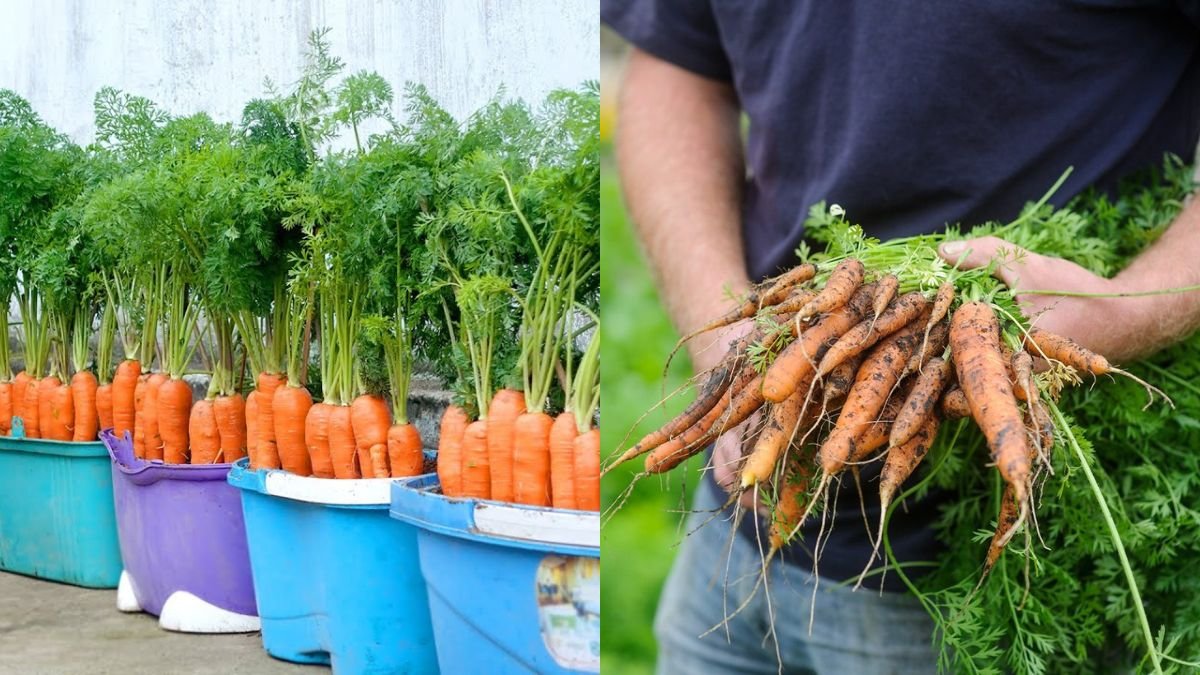
Carrots thrive as a cool-season crop and can be grown in spring, fall, and even mild winters, depending on your region. Modern gardening techniques allow carrots to flourish in garden beds, raised beds, or even containers, making them accessible to urban gardeners and people with limited space. (almanac.com)
By following straightforward steps — from seed selection to harvesting — you can enjoy clean, homegrown carrots every season, ensuring a continuous supply of this nutritious root vegetable.
🪴 Choosing the Right Carrot Seeds
Seed selection is the foundation of successful carrot cultivation. Carrot varieties differ in length, shape, color, and maturity time. Popular options include:
- Nantes – Sweet, long, and tender.
- Chantenay – Shorter, ideal for shallow soil or containers.
- Danvers – Classic tapered variety, good for most soils.
Experts recommend sowing carrot seeds directly where they will grow, as transplanting can damage the delicate roots. (rhs.org.uk)
Pro tips for home gardeners:
- Use heirloom or open-pollinated seeds for flavor and adaptability. (timesofindia.indiatimes.com)
- Practice succession planting every 3–4 weeks to harvest carrots continuously. (almanac.com)
☀️ Optimal Sunlight and Soil Requirements
Carrots need 6–8 hours of sunlight per day to develop sweet, tender roots. Lack of sunlight may result in slow growth or small, bitter carrots. (almanac.com)
Soil quality is critical for straight, healthy carrots. Carrots grow best in loose, deep, and well-drained soil, as compacted or rocky soil can cause forked roots and stunted growth.
Soil preparation tips:
- Loosen soil to a depth of 12 inches to accommodate long roots. (gardeninginsteps.com)
- Incorporate compost or well-rotted organic matter to improve fertility and texture. (almanac.com)
- For clay-heavy soils, use raised beds or deep containers (12–15 inches) to give roots room to develop. (ugaoo.com)
🌱 Sowing Carrot Seeds
Carrot seeds are small and can take 2–3 weeks to germinate, requiring patience and careful soil management. (almanac.com)
Step-by-step sowing instructions:
- Timing – Sow seeds 2–3 weeks before the last spring frost for early crops. Fall sowings can occur 10–12 weeks before the first frost. (almanac.com)
- Planting depth and spacing – Sow seeds ¼ inch deep, spaced 2–3 inches apart in rows. (almanac.com)
- Thinning seedlings – Once seedlings have 2–3 leaves, thin to 3–4 inches apart to prevent overcrowding and ensure proper root development. (almanac.com)
Pro tip: Mix seeds with fine sand for even distribution and easier sowing. (almanac.com)
💧 Watering and Moisture Management
Carrots need consistent moisture to germinate and grow straight roots. Uneven watering can cause splitting, bitter flavor, or stunted growth. (almanac.com)
Watering tips:
- Keep soil evenly moist but not waterlogged. (almanac.com)
- Water deeply about 1 inch per week if rainfall is insufficient. (almanac.com)
- Apply mulch to retain moisture, regulate temperature, and suppress weeds. (almanac.com)
🌿 Care and Pest Management
🐌 Protecting Carrots
Carrot seedlings are vulnerable to carrot flies, slugs, and snails. Use insect mesh or netting to protect seedlings from pests. Regular weeding helps maintain healthy soil. (rhs.org.uk)
🌾 Companion Planting
Planting carrots near onions or leeks can help deter pests naturally and improve garden ecosystem health. (goodhousekeeping.com)
🪴 Indoor or Small-Space Gardening
For limited space, carrots grow well in deep containers (12–15 inches) with loose, fertile potting mix. Place near a south-facing window or use LED grow lights to provide 6+ hours of light daily. (homesandgardens.com)
🥕 Harvesting Carrots
Carrots are ready to harvest 60–90 days after sowing, depending on the variety and growing conditions. (almanac.com)
Harvesting tips:
- Check roots when shoulders are ½ inch to thumb-sized. (almanac.com)
- Loosen soil gently with a fork to avoid breaking roots. (almanac.com)
- Harvest in stages for a continuous supply of fresh carrots. (almanac.com)
Carrots often taste sweeter after exposure to cool weather or frost, making fall and winter harvests especially delicious.
🥕 Year-Round Carrots with Succession Planting
Succession planting ensures a steady supply of carrots. By sowing new rows every 3–4 weeks, you can enjoy fresh, clean carrots throughout the season, with staggered harvesting for continuous consumption. (almanac.com)
✔️ Troubleshooting Carrot Growth
Carrots may become thin or misshapen if soil is compact, crowded, or lacking nutrients. Avoid these issues by:
- Using loose, sandy soil for deep root growth.
- Thinning seedlings for proper spacing.
- Avoiding excessive nitrogen, which encourages leafy growth over roots. (bhg.com)
📚 Authoritative Sources
- The Old Farmer’s Almanac – Carrot Growing Guide (almanac.com)
- Times of India – Home Garden Carrot Tips (timesofindia.indiatimes.com)
- Royal Horticultural Society – Grow Your Own Carrots (rhs.org.uk)
- Ugaoo – Container Carrot Gardening (ugaoo.com)
🚜 Final Thoughts
Growing carrots at home can be easy, rewarding, and productive. By following simple practices — proper seed selection, optimal soil preparation, consistent watering, pest management, and careful harvesting — you can enjoy clean, fresh carrots every season.
Whether planted in garden beds, raised beds, or containers, carrots offer continuous harvests with minimal effort. With succession planting and regular care, your home garden can supply sweet, nutritious carrots year-round, making them a staple of a healthy, homegrown diet.