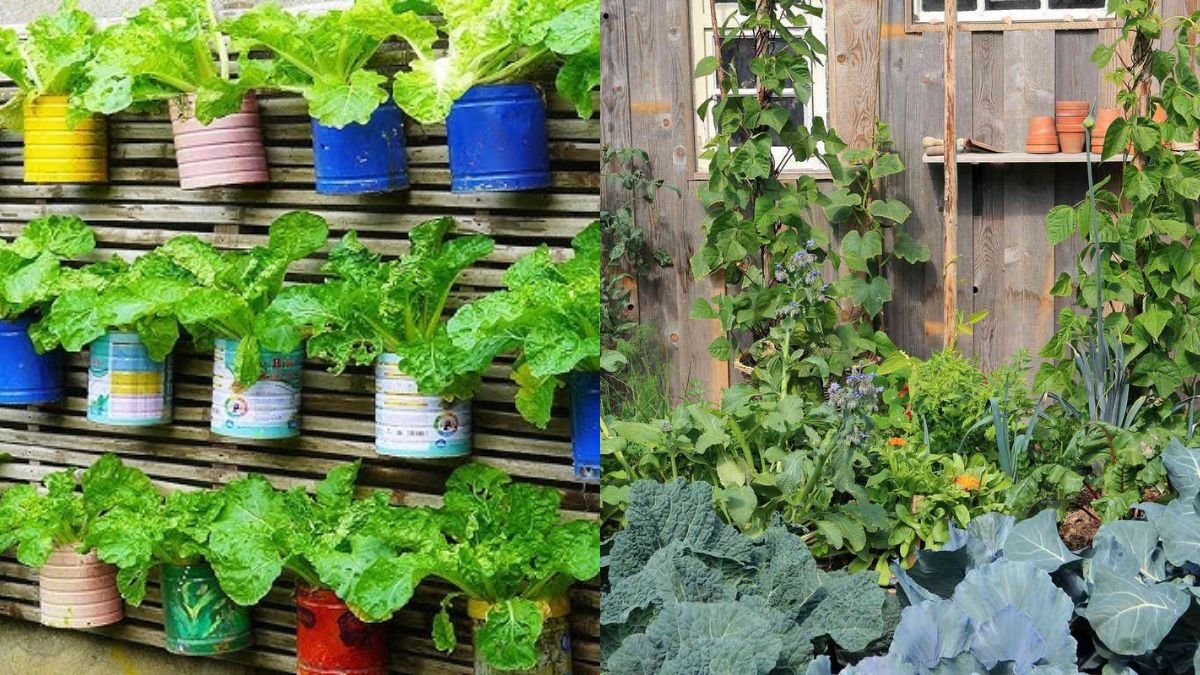
Why Wall Vegetable Gardens Are Trending
Maximizing Limited Space
With urban apartments and houses having minimal outdoor areas, wall gardens offer a space-efficient solution. They enable vertical growth, freeing up floors and patios while still producing a significant harvest. Many urban gardeners have successfully converted bare walls into green spaces using lightweight containers, planters, and hanging systems. (oneindia.com)
Eco-Friendly and Sustainable
Vertical vegetable gardens reduce the need for store-bought produce, cutting carbon footprints associated with transportation and packaging. They also promote sustainable gardening practices, including compost use, water recycling, and organic fertilization.
Aesthetic Appeal
Beyond productivity, wall gardens enhance the beauty of homes. Vertical greenery adds color, texture, and a calming presence to otherwise plain walls, balconies, or corridors. Lush edible walls can even improve air quality and create a pleasant microclimate around the home. (bhg.com)
Easy Maintenance
Because plants are elevated, harvesting is more ergonomic, reducing strain from bending or kneeling. Plants at eye level are easier to water, prune, and monitor for pests, making vertical gardening accessible for older adults and people with limited mobility.
Best Vegetables for a Wall Garden
The right plant selection ensures your wall garden is productive and visually appealing. Ideal crops include:
- Leafy Greens: Lettuce, spinach, kale, and Swiss chard thrive in vertical pockets or small containers.
- Herbs: Basil, mint, thyme, cilantro, and parsley grow well in wall-mounted or hanging planters.
- Climbing Vegetables: Peas, beans, cucumbers, and pole tomatoes can climb trellises or netting attached to walls.
- Compact Fruiting Vegetables: Cherry tomatoes, radishes, peppers, and small eggplants can flourish in containers when adequately supported. (almanac.com)
Choosing the right vegetables according to sunlight availability, container size, and growth habit will optimize yield and keep your wall garden productive.
How to Build an Amazing Wall Vegetable Garden
You don’t need a backyard to start growing vegetables — just creativity, the right materials, and a small investment. Here’s a step-by-step guide:
1. Choose the Wall
Select a wall that receives 4–6 hours of sunlight daily, ideally south or east-facing. Ensure the surface can support the weight of soil, plants, and water. Avoid walls prone to leaks or dampness, as excessive moisture can damage the structure and affect plant health. (oneindia.com)
2. Select Your Vertical Planter System
There are multiple options depending on budget, style, and available space:
- Fabric Wall Pockets: Lightweight, easy to install, and great for small herbs and leafy greens.
- Wooden Pallets: Classic DIY solution; fill pallet slats with soil and secure it to the wall.
- Hanging Baskets: Perfect for trailing plants like cherry tomatoes or herbs.
- PVC Pipe Towers: Stack holes vertically for compact vegetables in a small footprint.
- Trellis Grids: Support climbing crops like peas, beans, and cucumbers. (gardeningdailytips.com)
3. Use Quality Soil and Fertilizer
A nutrient-rich, well-draining potting mix is essential. Mix compost or organic fertilizer into the soil to provide essential nutrients. Ensure planters have proper drainage to prevent waterlogging and root rot. For vertical gardens, water can quickly drain from the top to the bottom, so top-ups or self-watering systems may be necessary. (trucoshogarjardin.com)
4. Plant Strategically
Place taller or climbing plants at the top to receive full sunlight, and position smaller herbs and leafy greens below. Companion planting, such as basil with tomatoes, can repel pests and enhance flavor. Mix textures and colors for a visually appealing garden that’s also productive. (wallpics.com)
5. Water and Maintain
Vertical gardens can dry out faster than horizontal beds. Water consistently, especially during warm weather, and consider drip irrigation or self-watering systems for convenience. Regular maintenance includes:
- Checking soil moisture
- Pruning overgrown plants
- Removing dead or yellowing leaves
- Harvesting regularly to encourage continuous growth (gardeningsoul.com)
Benefits of a Wall Vegetable Garden
- Space Efficiency: Maximize vertical surfaces in small apartments or urban homes.
- Fresh Produce Year-Round: Indoor or balcony setups can extend the growing season.
- Aesthetic and Relaxing: Lush greenery adds beauty, tranquility, and improved air quality.
- Ergonomic Gardening: Eye-level harvesting reduces bending and physical strain.
- Cost-Effective: Reduces dependence on grocery stores and ensures chemical-free produce.
Vertical gardening is a smart, practical, and sustainable solution for urban dwellers and anyone without traditional garden space.
Suggested Authoritative Sources
- Almanac – Vertical Gardening Tips: Techniques and tips for growing upward. (almanac.com)
- SheBonny – Vertical Vegetable Garden Ideas: 15 inspiring projects for small spaces. (shebonny.com)
- Gardenly Home – Vertical Vegetable Gardening: Space-saving strategies and plant recommendations. (gardenlyhome.com)
- OneIndia News – Vertical Gardening in India: Insights on wall gardens for urban homes. (oneindia.com)
Final Thoughts
A vertical vegetable garden on the wall is one of the most practical and inspiring gardening solutions for anyone without a traditional garden. With the right wall, containers, soil, and plant selection, you can turn any vertical surface into a productive, lush, and aesthetic edible garden.
Whether you use fabric pockets, pallets, hanging baskets, or PVC towers, vertical gardening enables fresh, healthy produce at home, improves space utilization, and adds beauty to urban living. Start small, experiment with different plants, and enjoy the satisfaction of growing your own food — no garden required!