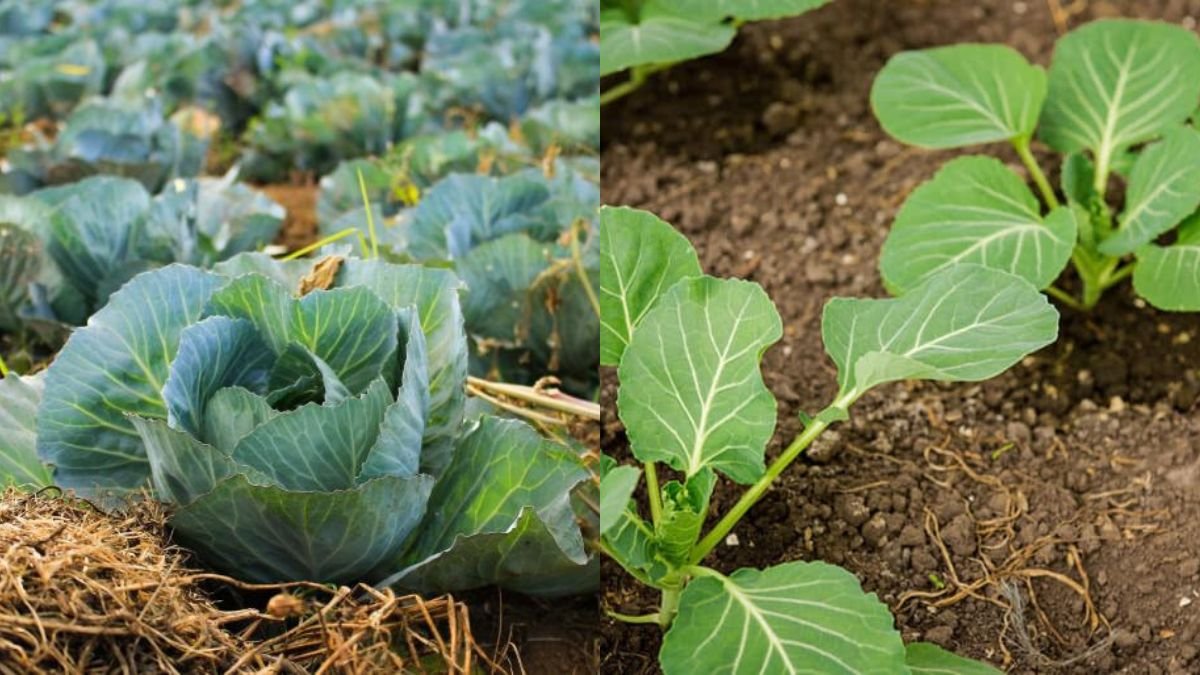
Queen Cabbage is a type of specialty cabbage with dark-colored leaves, often ranging from deep red to purple. These cabbages are not only beautiful but also nutrient-dense, containing high levels of antioxidants, vitamins, and phytonutrients. They belong to the Brassica oleracea family, which includes familiar vegetables like broccoli, cauliflower, and kale.
Unlike common green cabbages, Queen Cabbage varieties are prized for their decorative appeal and culinary versatility. They can be used in salads, slaws, fermented foods, and cooked dishes, making them a perfect addition to a home vegetable garden.
Popular dark cabbage varieties include:
- Red/Purple Cabbage (Queen Cabbage): Rich in antioxidants, visually striking, perfect for salads and fermentation.
- Savoy Cabbage: Crinkled leaves with a mild flavor, ideal for braising or soups.
- Pointed Cabbage: Tapered heads with tender leaves, excellent raw or lightly cooked.
- January King: A hybrid with blue-green leaves and purple blush, hardy in cooler climates.
These varieties allow gardeners to enjoy a colorful and productive cabbage harvest, even in small spaces.
Why Grow Specialty Cabbage at Home?
Growing Queen Cabbage and other specialty cabbages at home offers several advantages:
- Visual Appeal: Dark or purple heads add color and elegance to your garden or balcony.
- Nutritional Value: These cabbages are rich in vitamins C and K, antioxidants, and fiber, supporting a healthy diet.
- Culinary Versatility: Specialty cabbages can be eaten raw, fermented, or cooked, making them a versatile kitchen ingredient.
- Adaptability: These cabbages thrive in cool seasons and can grow in garden beds or containers.
Homegrown cabbages allow gardeners to enjoy fresh, flavorful produce year-round, especially when planting cool-season crops.
How to Grow Queen Cabbage at Home
Growing specialty cabbage is straightforward if you follow some key guidelines. Here’s a step-by-step approach to success:
1. Choose the Right Location
Cabbages thrive in full sunlight, ideally 6–8 hours per day. If planting on a balcony or terrace, choose a sunny spot that receives morning or midday sun. Proper sunlight ensures dense, firm heads and vibrant leaf colors.
2. Prepare the Soil
Queen Cabbage prefers well-draining, nutrient-rich soil. Mix organic compost with garden soil to provide adequate fertility. The soil pH should be slightly acidic to neutral, around 6.0–7.0. Rich, loose soil allows the roots to grow freely, supporting larger, healthier heads.
3. Planting Seeds or Seedlings
You can start cabbage from seeds indoors or purchase healthy seedlings. Transplant seedlings when they reach 4–6 inches tall, spacing plants 12–18 inches apart to prevent overcrowding. Container gardeners can plant one or two seedlings per large pot (12–18 inches deep).
4. Watering
Cabbages require consistent moisture to form firm heads. Keep the soil evenly moist but not waterlogged. Mulching around plants helps retain moisture and moderates temperature fluctuations. Regular watering ensures healthy leaf growth and prevents stress, which can reduce yield.
5. Fertilization
Cabbages are heavy feeders. Incorporate compost or organic fertilizers at planting and supplement with liquid feeding every few weeks. Fertilizing supports rapid leaf development and dense head formation. Avoid over-fertilization, which may encourage leafy growth but inhibit head formation.
6. Pest and Disease Management
Common cabbage pests include aphids, cabbage worms, and loopers. Inspect plants regularly and apply organic treatments like neem oil or insecticidal soap when necessary. Good airflow and proper spacing reduce the risk of fungal diseases. Removing damaged outer leaves also helps maintain plant health.
Growing Cabbage in Containers
For gardeners without garden beds, container growing is an excellent option:
- Use pots 12–18 inches deep with drainage holes.
- Fill with a rich potting mix combined with compost.
- Water consistently and place containers in a sunny location.
- Support plants with small stakes if needed to keep heads upright.
Container-grown Queen Cabbage performs well and can be moved to maximize sunlight exposure. This method is perfect for balconies, patios, or small urban gardens.
Harvesting Queen Cabbage
Cabbage heads are ready to harvest when they feel firm and dense. Depending on the variety, this can take 70–120 days from planting.
- Use a sharp knife to cut the entire head near the base.
- Leave outer leaves intact to protect the inner cabbage during storage.
- Freshly harvested cabbages can be stored in a cool place or refrigerated to extend freshness.
Regular harvesting ensures that plants remain productive and can even encourage secondary smaller heads in some varieties.
Culinary Uses of Specialty Cabbage
Queen Cabbage and other dark varieties are highly versatile in the kitchen:
- Raw Salads and Slaws: Purple and red leaves add color and crunch.
- Fermentation: Make sauerkraut or kimchi for probiotic benefits.
- Cooking: Braise, steam, or sauté leaves as side dishes or incorporate into soups.
- Decorative Garnish: Use colorful leaves to enhance the visual appeal of meals.
Their unique texture and color make them an eye-catching addition to both homegrown vegetable baskets and culinary creations.
Benefits of Homegrown Queen Cabbage
- Nutrition: Packed with antioxidants, vitamins, and fiber, supporting overall health.
- Cost-Effective: Growing your own cabbage is cheaper than buying specialty varieties from stores.
- Sustainable: Reduces reliance on commercially grown vegetables, supporting eco-friendly gardening.
- Educational: Ideal for teaching children about plant growth and healthy eating.
Homegrown cabbages allow gardeners to enjoy fresh, chemical-free vegetables right at their doorstep.
Recommended Resources
- Grow Queen Cabbage at Home (Specialty Dark Cabbage Guide): Tips and variety overview. (bandrahillroadmarket.com)
- Red Cabbage Guide: Cultivation, care, and uses. (en.wikipedia.org)
- Savoy and Specialty Cabbage Growing Tips: (sarabackmo.com)
- Container Gardening Advice: Learn to grow vegetables in pots and small spaces. (agrifarming.in)
- Nutrition Benefits of Purple Cabbage: (healthline.com)
Final Thoughts
Growing Queen Cabbage and other specialty dark cabbages at home is both enjoyable and practical. These cabbages offer beautiful color, exceptional nutrition, and culinary versatility, making them an excellent choice for home gardeners.
Whether planted in a garden bed, a container on a balcony, or a small urban terrace, Queen Cabbage thrives when provided with sunlight, fertile soil, consistent moisture, and proper care. By following the guidelines in this article, you can harvest beautiful, healthy cabbage heads right from your own home — a rewarding experience for any vegetable enthusiast.
Start your specialty cabbage garden today and enjoy the benefits of colorful, flavorful, and nutritious homegrown vegetables.