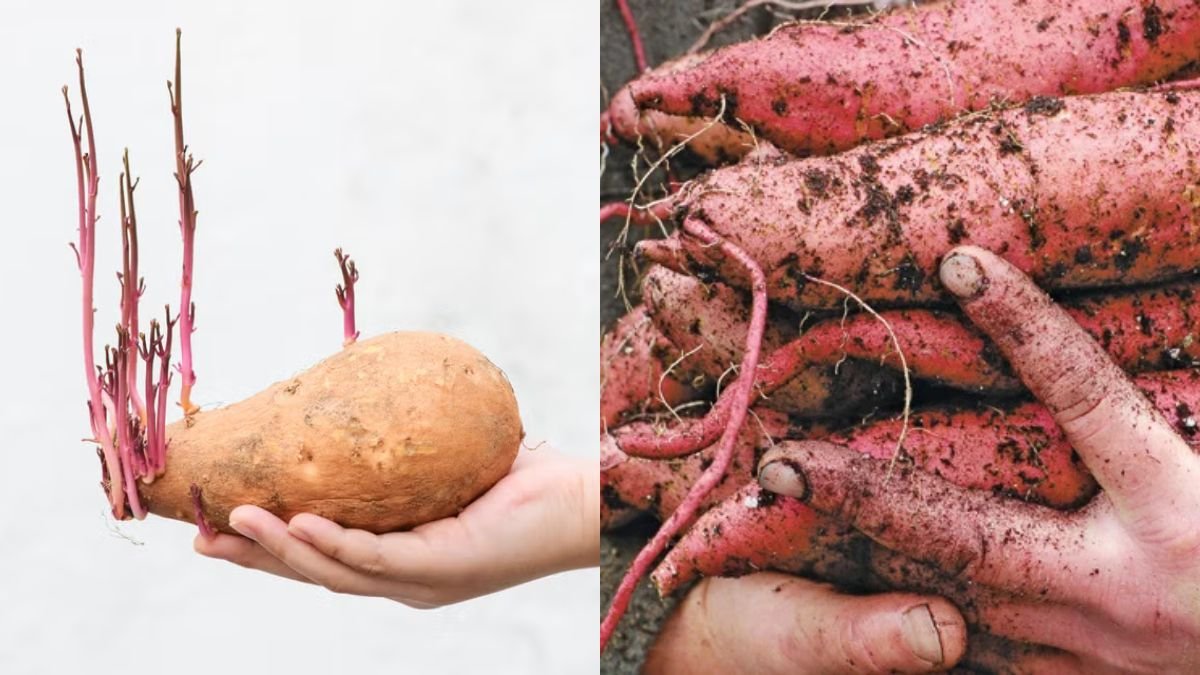
Sweet potatoes are one of the most versatile and nutritious vegetables you can grow at home. Known for their sweet flavor, rich nutritional value, and adaptability, they are an excellent choice for beginners and experienced gardeners alike. What makes them even more appealing is their ability to produce multiple tubers per plant when cultivated correctly. This means a single vine can provide enough tubers to feed a family for weeks.
The trend of home gardening has increased in 2026, with families seeking fresh, organic, and affordable vegetables. Sweet potatoes have emerged as a favorite crop because they are easy to grow, resilient, and high-yielding. Whether you have a backyard garden, raised beds, or even a balcony with containers, sweet potatoes can thrive with proper care. (gardeningknowhow.com)
This guide will walk you through everything from starting slips to harvesting tubers, ensuring a bountiful homegrown crop.
Why Sweet Potatoes Are Great for Beginners
Sweet potatoes are considered beginner-friendly for several reasons:
- Fast-growing and high-yielding: Properly cared-for plants can produce multiple tubers.
- Nutritious: Rich in fiber, vitamins A and C, potassium, and antioxidants.
- Adaptable to containers: They can grow in pots, grow bags, or even raised beds.
- Easy propagation: Slips can be grown from existing tubers, reducing the need for expensive seeds.
Even without a traditional garden, sweet potatoes can thrive on terraces, balconies, or small backyards. The main requirements are warm weather, plenty of sunlight, and loose soil. (tipsinthegarden.com)
What You Need to Get Started
Before planting, gather the following essentials:
1. Sweet Potato Slips
Sweet potatoes grow from slips, which are young sprouts that develop from a mature tuber. You can purchase slips from a nursery or generate your own at home using a healthy, untreated sweet potato. Slips are typically 4–6 inches long and ready to plant once roots develop. (miklix.com)
2. Soil
They prefer loose, well-drained soil enriched with compost or organic matter. Heavy, compact soil can restrict tuber growth and reduce yields.
3. Sunlight
Sweet potatoes need 6–8 hours of direct sunlight daily. Warm soil and ambient temperatures above 60°F (15°C) are essential for healthy growth. (tipsinthegarden.com)
4. Containers or Grow Bags (Optional)
If you lack garden space, large containers or grow bags (20–30 liters) can be used. Buckets with drainage holes work well for small spaces. (bhagirathmarket.com)
Step-by-Step Guide to Growing Sweet Potatoes
Step 1: Start the Slips
Sweet potatoes do not grow from regular seeds; they need slips, which can be produced using the water or soil method:
Water Method:
- Choose an organic sweet potato tuber.
- Insert toothpicks around the middle to suspend it in a jar with the bottom half in water.
- Place in indirect sunlight and change water every few days.
- In 2–4 weeks, sprouts (slips) will form.
- Twist off slips and root them in water for a week before planting. (miklix.com)
Soil Method:
- Bury part of the tuber in moist soil in a warm spot.
- Keep soil consistently damp.
- Slips will sprout in 2–4 weeks.
- Separate and root slips before planting in garden beds or containers.
Step 2: Prepare the Soil or Container
Before planting:
- Mix compost or organic matter into the soil for nutrients.
- Ensure containers have drainage holes.
- Space slips 12–18 inches apart to allow vines to spread and tubers to grow.
Sweet potatoes need warm soil, so plant only after the risk of frost passes and soil temperatures are above 60°F (15°C). (tipsinthegarden.com)
Step 3: Planting the Slips
- Place slips in prepared soil with roots buried and leaves above ground.
- Water immediately after planting.
- Ensure sunny conditions to encourage vine growth and tuber development.
Vines will spread, and the roots below will form multiple tubers — the key to a high-yield harvest. (tipsinthegarden.com)
Step 4: Watering and Mulching
- Water consistently, keeping the soil moist but not waterlogged.
- Apply mulch to retain soil moisture, suppress weeds, and regulate temperature.
- Avoid overwatering as it can cause rot. (tipsinthegarden.com)
Step 5: Feeding and Care
- Apply organic fertilizers or compost tea monthly for vigorous vine growth.
- Sweet potato vines naturally trail, but give them space to spread.
- Remove any competing weeds around the plants.
When and How to Harvest
- Sweet potatoes are ready in 90–120 days after planting slips.
- Signs of maturity: yellowing foliage and vines starting to die back.
- Carefully dig up tubers to avoid damage.
- Cure tubers in a warm, ventilated place for 1–2 weeks to enhance sweetness and storage life. (bhagirathmarket.com)
Tips for Maximum Tuber Production
- Select high-yield varieties: Some cultivars naturally produce more tubers.
- Ensure full sun exposure: Healthy vines generate energy for tuber formation.
- Use loose soil and adequate spacing: Prevent overcrowding for larger tubers.
- Container spacing: 1–2 slips per large container is sufficient for multiple tubers.
Growing Sweet Potatoes Without a Garden
Even without garden space, sweet potatoes thrive in containers, buckets, or grow bags:
- Use a 10–20 liter container with drainage holes.
- Fill with a mix of garden soil, compost, and cocopeat.
- Plant 2–3 slips per container.
- Expect leaves in 30 days and tubers ready to harvest in 90–120 days. (bhagirathmarket.com)
Bonus: Sweet Potato Leaves
Did you know the leaves are edible? Sweet potato foliage is nutritious and antioxidant-rich. Harvesting some leaves while tubers grow provides fresh greens for salads or stir-fries, maximizing the plant’s utility. (cafemadras.org)
Suggested Authoritative Sources
- Tips for Growing Sweet Potatoes for Lots of Tubers — growing techniques, spacing, and moisture control (tipsinthegarden.com)
- Complete Guide to Growing Sweet Potatoes at Home — step-by-step instructions (miklix.com)
- Container Gardening for Sweet Potatoes — small-space growing tips (agrifarming.in)
Conclusion
Growing sweet potatoes at home is easy, rewarding, and productive — even for beginners. By following simple steps, you can enjoy multiple large tubers per plant, nutritious leaves, and a sustainable source of fresh food for your family.
With sunny conditions, loose soil, proper spacing, and consistent care, sweet potatoes can flourish in gardens or containers, making them an ideal crop for home gardeners in 2026. Start with healthy slips today, and in just a few months, you’ll be harvesting delicious, sweet, and abundant tubers to feed your family while enjoying the satisfaction of homegrown produce.