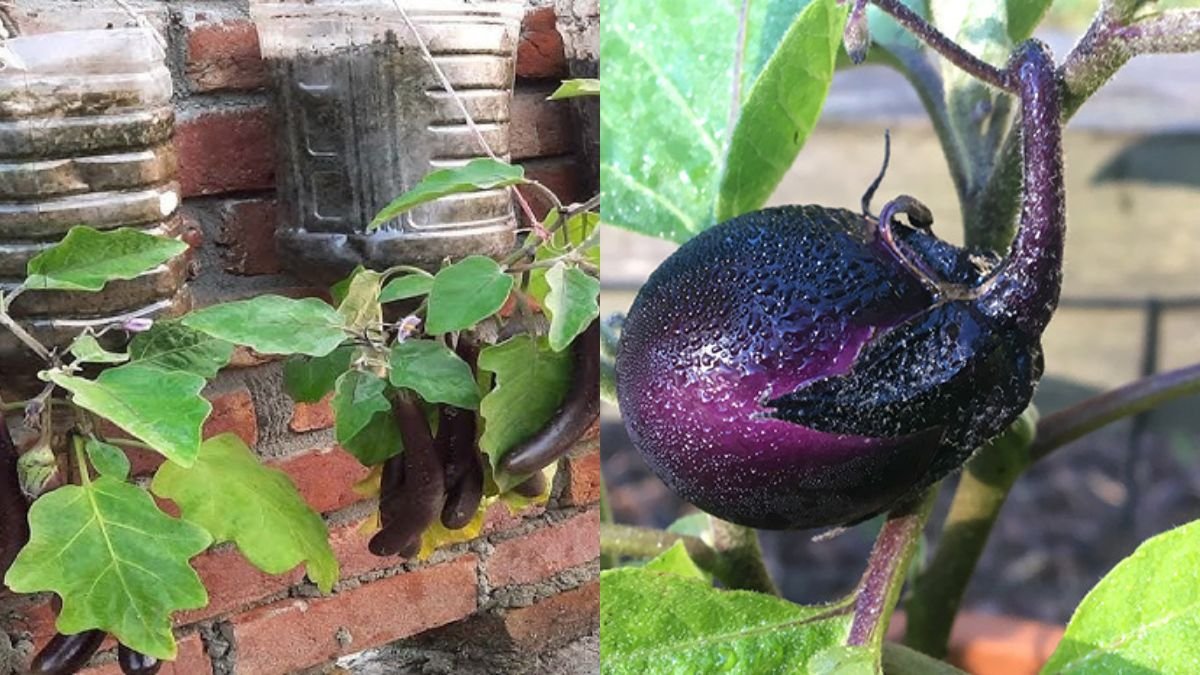
Growing eggplants at home provides several advantages:
- High Yield in Small Spaces: With proper sunlight and nutrients, eggplants in containers can produce multiple fruits per plant.
- Perfect for Urban Areas: Balconies, terraces, and small patios are ideal for growing eggplants in pots or grow bags.
- Beautiful Plants: Eggplants have glossy green leaves and vibrant purple, white, or striped fruits that enhance your home garden aesthetically.
- Beginner-Friendly: Even novice gardeners can achieve excellent results with container eggplants, as they are relatively easy to manage. (wawstock.com)
Container gardening allows you to grow vegetables without access to traditional soil beds, making eggplant an ideal choice for those with limited space. By simulating optimal growing conditions in a pot, you can enjoy continuous harvests throughout the season.
Selecting the Right Eggplant Variety
Choosing the right eggplant variety is key to achieving high yields at home:
- Compact or Dwarf Varieties: Perfect for containers and small spaces, these plants produce numerous fruits without requiring a large garden.
- Classic Purple Varieties: These are widely used in cooking and produce large, flavorful fruits.
- Ornamental Eggplants: Smaller, colorful fruits add a decorative touch to your home garden.
Select varieties that suit your cooking needs, container size, and climate, ensuring optimal growth and productivity. (close-to-nature.org)
Supplies You’ll Need
Before planting, gather the following essentials:
- Seeds or Seedlings: Healthy and disease-free.
- Containers or Grow Bags: Minimum 12–18 inches deep and wide with drainage holes.
- Potting Mix: Well-draining soil enriched with compost.
- Fertilizer: Balanced organic fertilizer or compost tea.
- Sunlit Spot: Location with at least 6–8 hours of sunlight per day. (wawstock.com)
Step-by-Step Guide to Growing Eggplant at Home
1. Prepare Your Container and Soil
Choose a pot or grow bag that is 12–18 inches deep, allowing enough space for root growth. Use a high-quality, well-draining potting mix, enriched with compost or well-rotted organic matter. Eggplants are heavy feeders and thrive in nutrient-rich soil. (completegardening.com)
2. Planting Seeds or Seedlings
- Seeds: Sow ¼ inch deep in starter pots. Once seedlings are strong, transplant to larger containers.
- Seedlings: Transplant directly into your prepared container, ensuring roots are fully covered with soil.
Maintain adequate spacing so plants have room to grow and receive sufficient airflow. (wawstock.com)
3. Sunlight and Temperature
Eggplants require 6–8 hours of direct sunlight daily and grow best in warm temperatures between 21–32°C. Ensure your container is placed in the sunniest spot available. If necessary, move pots to follow sunlight throughout the day. (trucoshogarjardin.com)
4. Watering
Eggplants prefer evenly moist soil. Water deeply 2–3 times per week, depending on temperature and container size. Mulch with straw or dry leaves to retain moisture and maintain soil temperature. Avoid overwatering to prevent root rot. (trucoshogarjardin.com)
5. Fertilizing for Maximum Yield
Regular feeding is essential to support fruit development:
- Apply compost or vermicompost for slow-release nutrients.
- Use potassium-rich sources (like banana peel tea) to encourage flowering and fruiting.
- Apply balanced fertilizers every 2–3 weeks for sustained growth. (trucoshogarjardin.com)
Consistent nutrition helps plants produce many flowers and abundant fruits throughout the season.
6. Supporting and Pruning
Eggplant stems can become heavy as fruits develop. Use stakes or cages to support branches and prevent breakage. Prune damaged or crowded leaves to improve airflow and reduce disease risk. (completegardening.com)
Dealing With Common Challenges
Even in containers, eggplants can face issues:
- Pests: Aphids, flea beetles, and spider mites are common. Use organic solutions like neem oil or insecticidal soap.
- Temperature Stress: Eggplants dislike frost; protect them in cooler climates or move containers indoors at night.
- Poor Flowering: If plants grow leaves but produce few flowers, ensure adequate sunlight and consider adding phosphorus-rich fertilizer.
Harvesting Eggplants
Eggplants are ready to harvest when their skin is glossy, firm, and smooth. Press gently — if it yields slightly, it’s ripe. Regular harvesting encourages continuous fruit production. Smaller fruits tend to be more tender, while leaving fruits too long can make them bitter. (lifetips.alibaba.com)
Harvesting every few days ensures the plant directs energy into producing more fruits, maximizing your yield.
Tips for Maximizing Home Eggplant Yields
- Choose dwarf or container-friendly varieties for smaller spaces. (close-to-nature.org)
- Avoid overwatering, which can stunt growth.
- Inspect plants regularly for pests and treat early.
- Use organic mulches to retain moisture and suppress weeds.
- Provide sufficient sunlight and warmth to support flowering and fruiting.
Authoritative Sources for Guidance
- CompleteGardening.com: Expert tips on container-grown eggplants, pest management, and fruit support. (completegardening.com)
- Alibaba LifeTips: Step-by-step guidance for planting and harvesting eggplants in pots. (lifetips.alibaba.com)
- TrucosHogarJardin.com: Fertilization and care strategies for high-yield eggplants. (trucoshogarjardin.com)
- Homes & Gardens: Insights on ornamental and edible eggplant varieties for container gardening. (homesandgardens.com)
These sources provide trusted, practical guidance for healthy, productive eggplant cultivation at home.
Conclusion
You don’t need a garden to grow eggplants with many fruits and high yields. With the right containers, soil, sunlight, watering, and fertilization, you can enjoy a bountiful harvest of fresh, flavorful eggplants right from your balcony, terrace, or patio.
By following the tips in this guide, even beginners can achieve productive and beautiful eggplants, making home container gardening both rewarding and practical. Start small, give your plants consistent care, and watch as your home grows a continuous supply of delicious eggplants.
Experience [FOCUS KEYWORD] — turning any small space into a productive, high-yield eggplant garden without the need for a traditional garden plot.