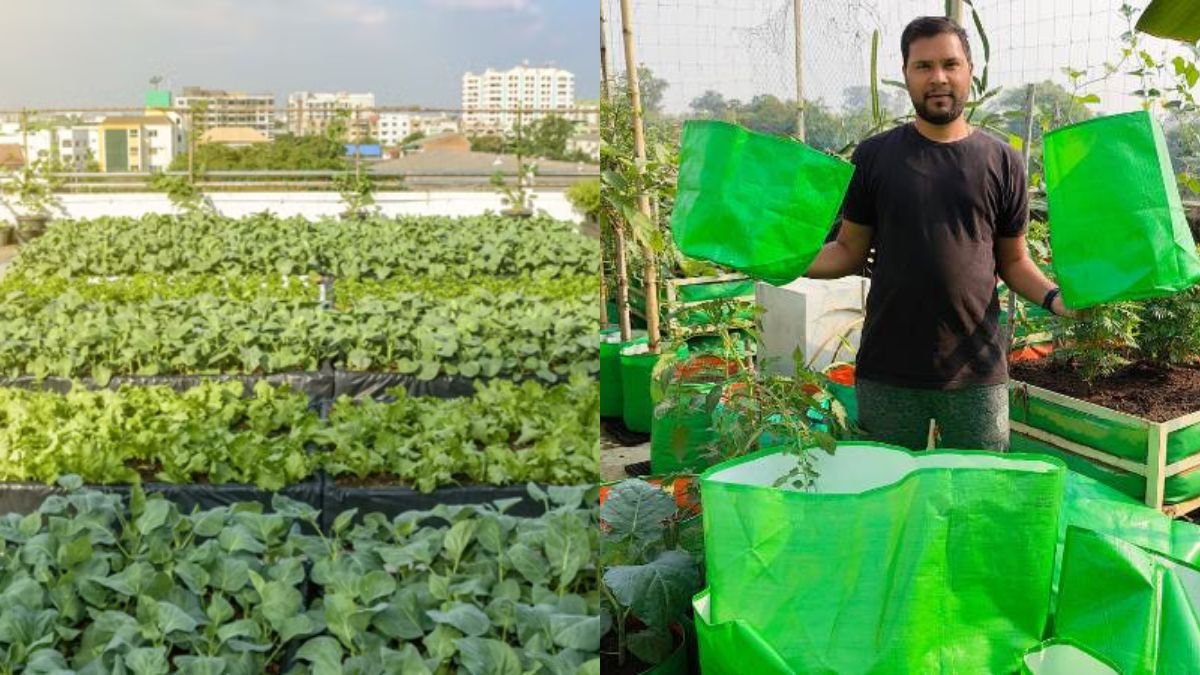
In densely populated urban areas, where outdoor space is limited, rooftops have emerged as untapped opportunities for sustainable food production. Growing vegetables on the roof provides for the family easy for everyone, transforming unused terraces into productive, green spaces that supply fresh, nutritious vegetables throughout the year.
Urban families across India and other countries are increasingly adopting rooftop gardening to reduce grocery bills, improve food security, enhance nutrition, and create calming green areas above concrete structures. From leafy greens and herbs to tomatoes and cucumbers, rooftop gardens are versatile, low-cost solutions that anyone can start, regardless of gardening experience.
This article explores why rooftop gardening works, its benefits, practical tips for beginners, and step-by-step guidance to start growing vegetables successfully at home.
Why Rooftop Gardening Works for Families
Rooftop gardening allows households to utilize open, sunlit spaces that often remain idle. With containers, grow bags, or raised beds, families can grow a wide range of vegetables all year. Here’s why growing vegetables on the roof provides for the family easy for everyone:
- No Garden Required: Even if you lack a backyard, rooftops provide ample space for container gardening.
- Fresh Food Access: Daily harvesting ensures vegetables are fresh, flavorful, and chemical-free.
- Cost Savings: Growing your own vegetables can significantly reduce grocery expenses.
- Nutrition & Safety: Homegrown produce is safer, free from pesticides and long storage periods.
- Space Utilization: Rooftops turn unused space into a productive, functional area.
Whether you’re a busy professional, a homemaker, or a student, rooftop gardening offers a practical way to grow food sustainably and efficiently.
Real-Life Family Success Stories
Across India, urban rooftop gardens have proven their value:
- Patna & Bihar: Urban families grew tomatoes, okra, bitter gourd, and more on rooftops during lockdowns, enhancing food security and improving air quality.
- Kerala: Sulafat Moideen cultivated vegetables and spices on her terrace, feeding her family while selling surplus produce locally.
- Tamil Nadu: A homemaker used a 500-square-foot terrace to grow over 25 varieties of vegetables, meeting nearly 90% of her family’s needs during COVID-19 lockdowns.
These examples highlight that rooftop gardening is productive, cost-effective, and suitable for all family sizes, making it an accessible option for urban households.
Benefits of Rooftop Vegetable Gardening
Rooftop gardening offers more than just food; it provides holistic benefits for the family, the environment, and the community.
1. Food Security & Self-Reliance
Rooftop gardens allow families to produce fresh, organic vegetables at home, reducing dependence on markets and mitigating food supply disruptions.
2. Environmental Advantages
Vegetation on rooftops improves air quality, produces oxygen, reduces urban heat islands, and lowers energy costs by cooling roofs naturally.
3. Health & Nutrition
Homegrown vegetables like spinach, lettuce, tomatoes, cucumbers, and beans are packed with vitamins, minerals, and fiber. Fresh harvesting ensures maximum nutritional value and chemical-free consumption.
4. Mental & Community Well-Being
Gardening reduces stress, encourages physical activity, and fosters family engagement. Children can learn about plants, nutrition, and responsibility through hands-on experience.
5. Economic Benefits
Families save money on groceries and can even generate income by selling surplus produce in local markets. Rooftop gardens combine food production with potential economic opportunities.
Getting Started: Easy Steps for Rooftop Vegetable Gardening
Starting a rooftop garden is simpler than many think. Here’s a beginner-friendly guide:
Step 1: Assess Roof Strength
Ensure your roof can support the weight of soil, pots, and water. Consult a professional if needed to avoid structural issues and guarantee safety.
Step 2: Choose Containers
Use pots, grow bags, crates, or raised beds. For maximum efficiency, vertical planters, trellises, or wall-mounted racks allow you to grow more vegetables in limited space.
Step 3: Select Vegetables
Start with easy-to-grow, family-favorite vegetables:
- Leafy Greens: Lettuce, spinach, kale — provide continuous harvests.
- Fruit Vegetables: Cherry tomatoes, cucumbers, bell peppers.
- Root Crops: Radish, carrots, beetroot.
- Beans & Peas: Climbing plants save space and enrich the soil with nitrogen.
Choosing the right vegetables ensures productivity and regular harvests suitable for family meals.
Step 4: Use Good Soil & Fertilizer
Fill containers with nutrient-rich potting mix blended with compost or organic manure. Apply liquid fertilizers or compost tea every few weeks to sustain healthy growth.
Step 5: Sunlight & Watering
Most vegetables need 4–6 hours of sunlight daily. Consistent watering is essential; container gardens dry out faster than ground beds. Mulching helps retain moisture, reduces evaporation, and keeps roots cool.
Harvesting for Continuous Supply
Effective harvesting techniques prolong production and ensure fresh vegetables throughout the year:
- Cut Outer Leaves First: Harvest mature leaves or stalks while leaving inner growth to continue developing.
- Full Harvest: Once vegetables reach full maturity, harvest the entire plant if necessary.
- Regrowing From Base: Some plants, such as celery or lettuce, can be regrown from leftover bases placed in water or soil.
These methods allow families to maintain a continuous supply of fresh produce with minimal effort.
Popular Rooftop Vegetables
The following crops are ideal for rooftop gardens due to ease of cultivation, productivity, and family-friendliness:
- Leafy Greens: Lettuce, spinach, methi, kale — ideal for daily consumption.
- Tomatoes & Chillies: Require support structures but yield abundantly.
- Cucumbers & Beans: Climbers that maximize vertical space and produce high yields.
- Root Vegetables: Radish, beetroot, and carrots can be grown in deeper containers.
By mixing leafy greens, fruiting vegetables, and root crops, families can create a balanced, nutritious, and productive rooftop garden.
Background Context: Urban Rooftop Gardening Trend
Rooftop gardening has emerged as a practical solution to urban food challenges. With rising urbanization, land scarcity, and increasing food costs, terraces and rooftops are being transformed into edible gardens that supply families with fresh produce.
Government programs, NGOs, and horticultural missions now promote rooftop gardening by providing seedlings, saplings, and training to city dwellers. This trend reflects a broader shift toward self-reliance, sustainability, and healthier urban lifestyles. Rooftop gardening is no longer a niche hobby but a practical, scalable solution for urban households seeking fresh vegetables year-round.
Authoritative Sources
For more detailed guidance and expert insights on rooftop gardening:
- Times of India – Rooftop Gardening & Food Security: Highlights urban families converting rooftops into productive spaces. (timesofindia.indiatimes.com)
- JnanaAgri – Rooftop Gardening in Indian Cities: A beginner’s guide to vegetable cultivation on terraces. (jnanaagri.in)
- Gardening Tips – Rooftop Vegetable Gardening Design: Covers layout, soil, and crop selection for Indian urban environments. (gardeningtips.in)
- Urban Jungle Hub – Top Vegetables for Rooftops: Suggests container-friendly vegetables for small spaces. (urbanjunglehub.com)
These sources provide practical, reliable, and research-backed advice for successfully growing vegetables on rooftops.
Conclusion
Growing vegetables on the roof provides for the family easy for everyone. From fresh, organic produce and cost savings to environmental benefits and mental well-being, rooftop gardening is accessible, productive, and sustainable.
By following simple steps — assessing roof strength, choosing containers, selecting vegetables, using nutrient-rich soil, providing proper sunlight and water, and harvesting efficiently — families can turn any rooftop into a thriving garden. Whether for daily meals, family health, or even small income opportunities, rooftop gardening is a smart and rewarding solution for urban households seeking fresh vegetables year-round.