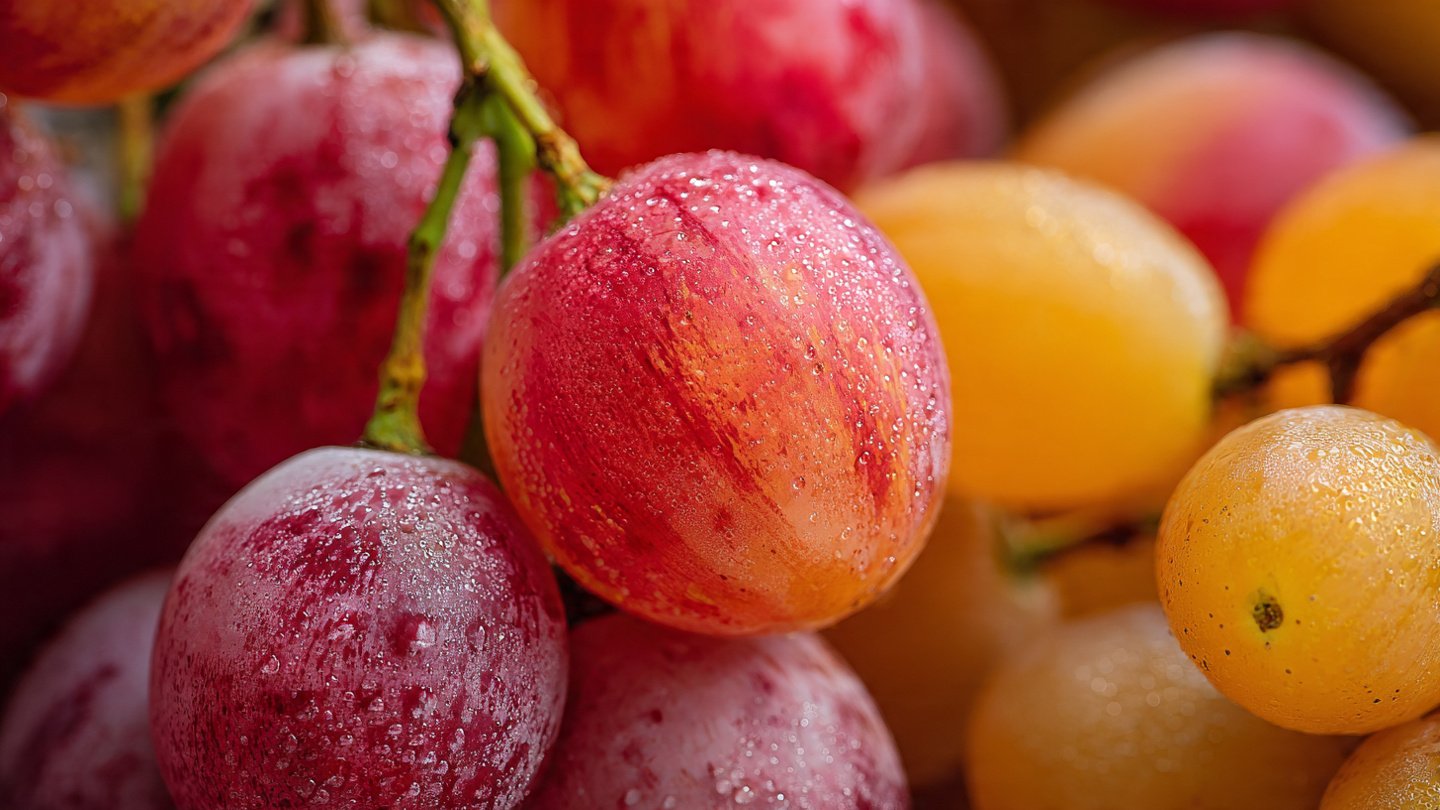
Fruits hold invaluable benefits, from their rich array of nutrients to their contributions to culinary experiences worldwide. However, what many people may not consider is the intricate biochemical processes that operate even after fruits have been harvested. A fascinating phenomenon that occurs in many fruits is softening, particularly near the stem. This softening is primarily influenced by ethylene gas, a plant hormone with significant implications for fruit ripening and overall quality. This article delves deep into the science of why fruits soften near the stem due to ethylene gas, its impacts on fruit quality, and its implications for storage and consumption.
Understanding Ethylene Gas
Ethylene is a colorless gas that plays a crucial role in numerous plant processes. It is the simplest alkene and operates as a plant hormone, modulating various physiological responses, including germination, flowering, and ripening. In the context of fruit, ethylene is paramount; it signals the transition from maturation to ripening.
The Production of Ethylene
Fruits produce ethylene in response to several environmental factors—most notably stress conditions such as potential damage, pathogen attack, or ripening cues. Some fruits are classified as “climacteric,” meaning they continue to ripen after being harvested. Common climacteric fruits include bananas, apples, avocados, and tomatoes. These fruits typically produce a burst of ethylene during the ripening process, stimulating various biochemical activities within.
Ethylene Biosynthesis
Ethylene biosynthesis involves several biochemical pathways. The most notable is the conversion of the amino acid methionine into ethylene through a series of enzymatic reactions called the ethylene biosynthesis pathway. This pathway’s key enzymes include ACC synthase and ACC oxidase, which catalyze the conversion of 1-aminocyclopropane-1-carboxylic acid (ACC) into ethylene.
The Ripening Process: How Ethylene Affects Softening
Fruits undergo a series of biochemical changes as they ripen, and ethylene plays a significant role in softening. The softening of fruit is primarily due to changes in cell wall structure and composition. Here’s how ethylene influences this process:
1. Cell Wall Degradation
Cell walls provide structural support to fruits, composed mainly of cellulose, hemicellulose, and pectin. As fruits ripen, ethylene activates enzymes such as polygalacturonase, pectinase, and cellulase, which degrade these components. This enzymatic activity leads to the breakdown of pectins, a type of polysaccharide present in the middle lamella that binds cells together.
As the pectin degrades, the integrity of the cell wall diminishes, which contributes to the softening of the fruit’s texture.
2. Water Retention
Ethylene also affects the fruit’s ability to retain moisture. Ripening fruit often experiences changes in osmotic balance, allowing more water to be absorbed by cells. With the loss of structural integrity and increased water content, fruits can feel much softer, especially near the stem.
3. Increase in Respiration Rate
The production of ethylene is often associated with an increased respiration rate, known as the climacteric rise. This process enhances metabolic activities, leading to rapid consumption of stored nutrients. The depletion of starches and acids, along with the synthesis of sugars, contributes not just to the flavor but also to the physical changes that result in softer texture.
4. Flavor Development
During ripening, ethylene is also responsible for stimulating the production of various volatile compounds and sugars, which enhance the flavor of fruits. While this is not directly related to softening, it is part of the broader physiological changes that occur during ripening.
Why Softening Occurs More Near the Stem
The phenomenon of softening occurring more significantly near the stem can be attributed to several factors:
1. Ethylene Concentration
The stem is the fruit’s attachment point, often where clusters of cells that can produce and respond to ethylene are densely packed. The localized concentration of ethylene around this area can cause accelerated softening compared to other parts of the fruit.
2. Vascular Tissue
The stem contains vascular tissues that transport nutrients and hormones throughout the fruit. Due to the high demand for ethylene production near the stem, this area can experience heightened metabolic activity, resulting in localized softening.
3. Nutrient Redistribution
As fruits ripen, plant hormones work in tandem with ethylene, creating a redistribution of nutrients within the fruit. The stem may serve as both a source and sink for these nutrients, leading to accelerated softening as resources are allocated to ripening processes.
Practical Implications for Storage and Transportation
Understanding the role of ethylene in fruit softening has significant implications for how fruits are stored, transported, and consumed. Here are some practical considerations:
1. Controlled Atmosphere Storage
One method to mitigate premature ripening and softening is the use of controlled atmosphere storage. By regulating the levels of oxygen, carbon dioxide, and ethylene, it is possible to slow down the ripening process. This is crucial for extending shelf life and maintaining the quality of fruits during transportation.
2. Ethylene Absorbers
Installing ethylene absorbers in storage facilities and packaging can significantly decrease ethylene concentrations, preventing premature ripening. Such absorbers can extend the freshness of fruits and reduce losses during storage.
3. Harvesting Timing
Fruits must be harvested at optimal ripeness levels. For climacteric fruits like bananas, timing is essential. Harvesting them before they reach peak ripeness can help manage the concentration of ethylene and control the softening process during transport.
Cultural Practices and Ethylene Management
Farmers and producers can take several steps to manage ethylene and thereby extend the quality and shelf life of their fruits:
1. Ethylene Inhibitors
Chemical inhibitors that suppress ethylene action, such as 1-MCP (1-Methylcyclopropene), can be used effectively during post-harvest handling to slow down the ripening process. This approach can help maintain firmness and quality.
2. Gentle Handling
Physical stress during harvesting and transportation can trigger increased ethylene production. Implementing more gentle handling practices can reduce stress on fruits and hence delay the softening process.
3. Temperature Control
Maintaining optimal temperature ranges during storage can also influence ethylene production. Low temperatures typically slow down biochemical processes, including ethylene production, thereby reducing the rate of softening.
Conclusion
The softening of fruits near the stem due to ethylene gas is a complex interplay of biochemical processes that occurs during ripening. Knowing why this occurs allows consumers, farmers, and distributors to take appropriate measures to manage the quality and shelf life of fruits effectively. Ethylene gas, while it facilitates the softening and ripening processes essential for flavor and nutrition, also presents challenges in storage and transportation. By understanding and harnessing its effects, we can continue to enjoy fresh, flavorful fruits while minimizing waste and maximizing their nutritional benefits. Whether through controlled atmospheres, gentle handling, optimal harvesting, or the application of inhibitors, the journey from fruit bearing to consumption can be carefully managed to ensure the best outcomes for all.