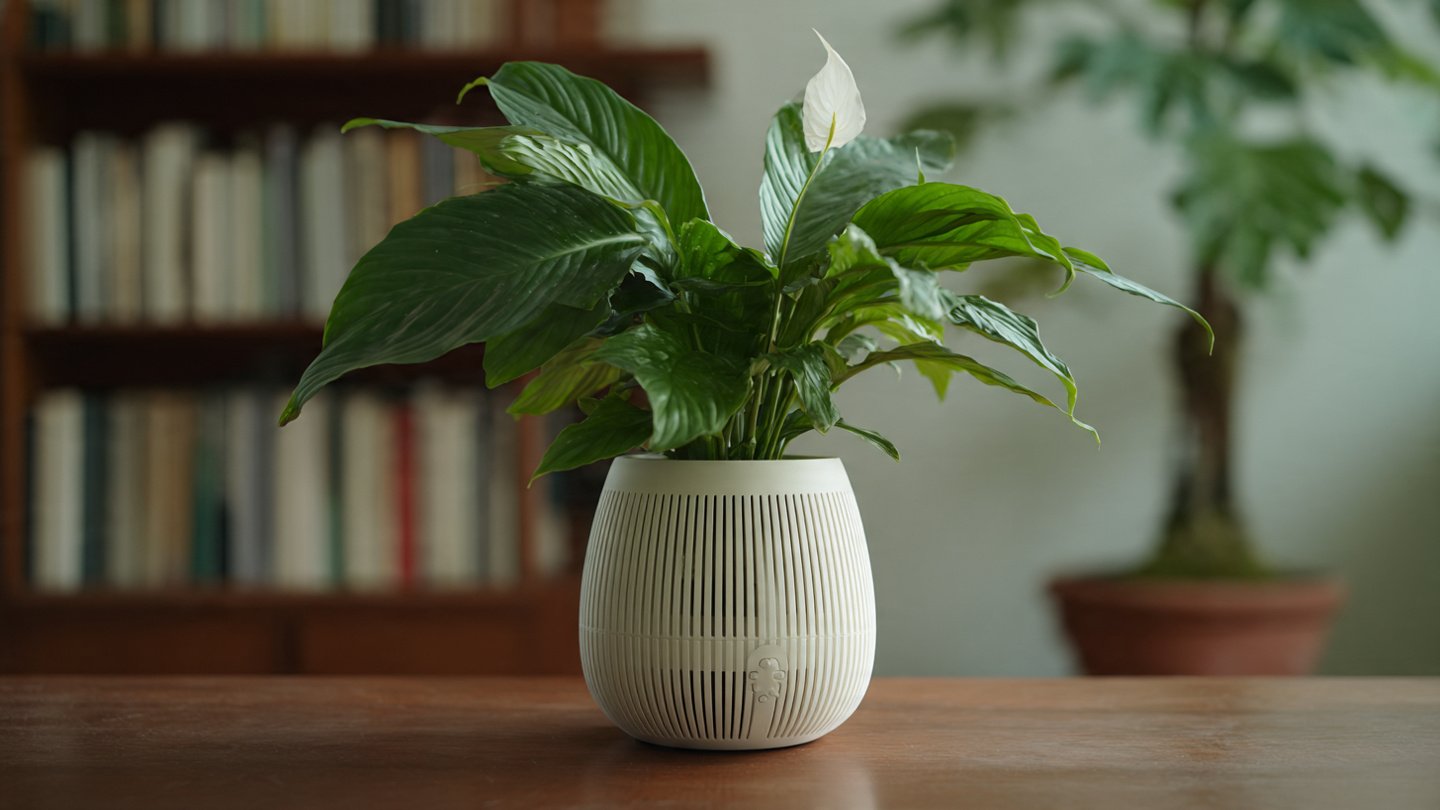
Air quality has become an increasing concern, especially in urban areas where pollution levels can skyrocket. To combat this, many are turning to nature for solutions. One of the most accessible and effective ways to enhance indoor air quality is through the use of plants—specifically, the flower leaf. This article explores the fascinating secrets behind flower leaves that make them exceptional air purifiers.
The Science Behind Air Purification
Plants are known for their ability to absorb carbon dioxide and release oxygen through the process of photosynthesis. However, flower leaves serve a dual purpose, exhibiting capabilities far beyond what most people realize. The secret lies in the intricate biology and chemistry of the leaves, which allows them to filter pollutants and toxins from the air.
Flower leaves contain specialized cells and tissues that absorb various harmful substances. These include volatile organic compounds (VOCs), particulate matter, and toxic gases such as formaldehyde, benzene, and xylene. By incorporating these leaves into our living spaces, we can create a more breathable, healthier environment.
Key Mechanisms of Air Purification
Several mechanisms enable flower leaves to purify the air:
- Absorption: Leaves absorb pollutants through tiny pores called stomata. These pores facilitate gas exchange, allowing harmful substances to enter the leaf while oxygen is released back into the atmosphere.
- Metabolic Processes: Once inside the leaf, pollutants undergo various metabolic processes, transforming them into less harmful substances. For instance, some VOCs are broken down through natural biochemical reactions, rendering them harmless.
- Microbial Action: The surface of leaves often hosts beneficial microbes that can degrade pollutants. The presence of these microbes enhances the leaf’s ability to cleanse the air further.
Top Flower Leaves That Excel at Air Purification
While many plants contribute to improved air quality, some flower leaves stand out in their effectiveness:
1. Peace Lily (Spathiphyllum)
The peace lily is a beautiful flowering plant renowned for its air-purifying abilities. It effectively removes harmful substances such as ammonia, benzene, and formaldehyde, making it an excellent choice for homes and offices.
2. Gerbera Daisy (Gerbera jamesonii)
This vibrant flower not only adds aesthetic value to any space but also excels at removing pollutants like formaldehyde and trichloroethylene. Its bright colors can uplift your mood while cleaning the air.
3. Chrysanthemum (Chrysanthemum morifolium)
Popular for their stunning blooms, chrysanthemums can trap toxins effectively, particularly benzene and formaldehyde. They also improve humidity levels, making indoor air more comfortable.
4. Bamboo Palm (Chamaedorea seifrizii)
Often used as a natural air humidifier, the bamboo palm can remove harmful substances such as formaldehyde and toluene from the air. Its lush green leaves add a tropical feel to any environment.
5. Rubber Plant (Ficus elastica)
The rubber plant is not only easy to care for but also operates as an effective air purifier by removing toxins like formaldehyde and certain VOCs. Its broad leaves have a large surface area for absorption, lending to its efficacy.
Benefits of Using Flower Leaves for Air Purification
Incorporating flower leaves into your living or working environment offers numerous benefits:
- Improved Indoor Air Quality: With many indoor environments containing significant levels of harmful pollutants, flower leaves can contribute to healthier spaces.
- Increased Aesthetic Appeal: Flowering plants can transform an ordinary room into a vibrant, inviting space.
- Stress Reduction: Studies indicate that having plants around can reduce stress, improve mood, and enhance overall well-being.
- Cost-Effective: Compared to air purifying machines, integrating flower leaves into your space is a low-cost solution that provides ongoing benefits.
Caring for Your Flower Leaves
To maximize the air-purifying benefits of your flowering plants, appropriate care is essential:
- Watering: Ensure that you do not overwater your plants. Each species has specific needs, so familiarize yourself with the requirements of your chosen flowers.
- Light Conditions: Most flower leaves thrive in indirect sunlight. Be mindful of their lighting needs for optimal growth and health.
- Cleaning Leaves: Dust can accumulate on leaves, hindering their ability to absorb pollutants. Regularly wipe down leaves with a damp cloth to keep them clean.
Conclusion
The secrets held within flower leaves offer a powerful natural solution to improving indoor air quality. With the ability to absorb pollutants, release oxygen, and positively influence our mental well-being, these plants are more than just decorative items. Investing time and care into maintaining flower leaves can transform your living or working space into a haven of fresh, clean air. As we strive for better health and environmental conditions, the humble flower leaf stands as a testament to nature’s incredible ability to help us thrive.
FAQs
1. How many plants do I need for effective air purification?
The effectiveness of air purification depends on various factors including the size of the room and the species of plants. Generally, 1-2 plants per 100 square feet is recommended for optimal air quality improvement.
2. Can all plants purify air?
Not all plants have the same capacity for air purification. Species like peace lilies, spider plants, and snake plants are particularly known for their air-cleaning abilities.
3. How do I know if my plant is healthy?
Healthy plants typically have vibrant leaves without discoloration or spots. They should be free of pests and have appropriate growth patterns for their species.
4. Is it safe to have flowering plants around pets?
Some flowering plants can be toxic to pets. Always research specific species to ensure they are safe for your home environment.
5. How often should I water my flowering plants?
Watering frequency varies by species and environment. A consistent check of the soil moisture can help determine the right time to water. Generally, allow the top inch of soil to dry out before rewatering.