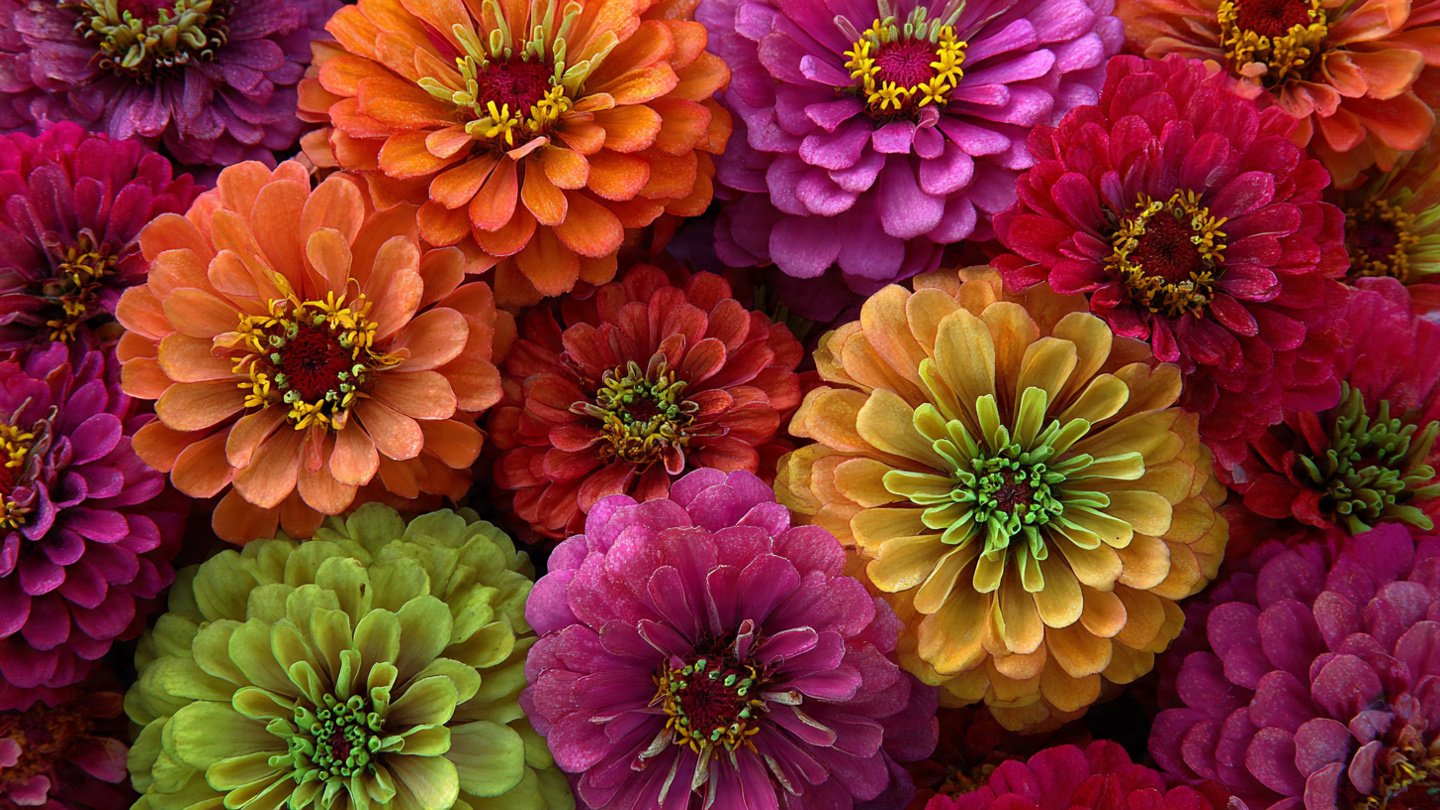
When it comes to vibrant, eye-catching blooms that brighten up your garden, few plants can compete with zinnias. These flowering beauties are annuals that belong to the Asteraceae family, offering an impressive array of colors, shapes, and sizes. Planting zinnias in your garden will not only provide a visual feast for the eyes but also create a lively atmosphere that can turn any outdoor space into a serene retreat. Here are several compelling reasons to embrace zinnias for endless summer color.
1. Diverse Color Palette
One of the most delightful aspects of zinnias is their extensive color variety. Available in shades of red, orange, yellow, pink, purple, and even white, zinnias provide gardeners with the ability to create vibrant, colorful displays. Whether you prefer monochromatic schemes or multicolored patches, zinnias can accommodate your garden aesthetic. Furthermore, their colors tend to hold true in sunlight, meaning they won’t fade quickly, allowing you to enjoy their beauty throughout the summer.
2. Easy to Grow
Zinnias are one of the most straightforward flowers to grow, making them ideal for gardeners—especially beginners. They thrive in well-draining soil and prefer full sunlight. Planting zinnias is relatively hassle-free; you can start them from seeds directly in the ground after the last frost. Watering them regularly and ensuring they receive at least six hours of sunlight each day will yield rich blooms. Their resilience to changing weather conditions adds to their charm, ensuring gardeners of all skill levels can enjoy their blooms.
3. Attract Pollinators
Zinnias are not just beautiful; they are also beneficial for local wildlife. These flowers provide nectar and pollen, making them an attractive food source for bees, butterflies, and other pollinators. Planting zinnias in your garden can create an ecosystem that supports these essential creatures, which in turn aids in the pollination of other plants in your yard. This mutual benefit can significantly improve the overall health and productivity of your garden.
4. Long Blooming Season
One of the standout features of zinnias is their long blooming season. From summer until the first frost, zinnias will produce an abundance of flowers, making them an excellent choice for those who wish to enjoy ongoing color throughout the warm months. Deadheading, or removing spent flowers, can encourage even more blooms, extending their longevity in your garden. This continuous flowering can make your garden a vibrant haven for months on end.
5. Versatile Uses
Zinnias have a wide range of applications in gardening and floral arrangements. They can be planted in borders, mass plantings, or even in pots for patios and balconies. As cut flowers, zinnias also make lovely additions to bouquets; their sturdy stems and durable blooms ensure they last longer than many other cut flowers. With zinnias in your garden, you can enjoy their beauty both outdoors and indoors, offering versatility that makes them a favorite among flower enthusiasts.
6. Low Maintenance
Zinnias require minimal care after they are established. They are drought-tolerant and generally resistant to most diseases. Although they may occasionally face issues like powdery mildew or root rot, these problems are rare with proper care. Regular deadheading and occasional watering are usually all that’s needed to keep your zinnias thriving. Thus, they allow you to spend less time worrying about maintenance and more time enjoying their colorful blooms.
7. Educational Opportunities
For families and educators, growing zinnias presents numerous opportunities for learning. Children and adults alike can engage in the plant-growing process, from planting seeds to observing growth and understanding pollination. This educational aspect can foster a greater appreciation for nature and help develop gardening skills, making zinnias an excellent choice for family gardens and community educational projects.
8. Cut Flower Arrangements
Once cut, zinnias can last up to a week or more in a vase, making them a fantastic choice for home floral arrangements. Their vibrant colors and sturdy structure allow them to shine in mixed bouquets or stand alone as a focal point. When combined with other summer blooms, zinnias create a stunning display. Learning to arrange zinnias can also be an enjoyable creative outlet.
9. Resilient to Heat and Drought
As temperatures rise during summer, many plants struggle to cope, but zinnias thrive in heat. They are well-suited for warmer climates and can adapt to varying moisture levels, making them an excellent choice for low-water gardening. While they do require some watering to become established, mature zinnias can withstand drought conditions. This resilience makes them ideal for regions experiencing heatwaves or extended dry spells.
10. Charitable and Community Benefits
Growing zinnias can extend beyond personal enjoyment; they can also serve as a means to contribute to your community. Many gardening clubs and non-profit organizations use zinnias to beautify public spaces or to raise funds through flower sales. By sharing zinnias with friends, family, or local charities, you can spread the joy and brightness these flowers bring, fostering a greater sense of community.
Conclusion
Zinnias are a gem in the gardening world, offering endless summer color and benefits that go beyond their visual appeal. From their easy care requirements to their role in supporting pollinators and providing educational opportunities, zinnias are a versatile choice for any gardener. Whether you’re looking to create a colorful display, attract wildlife, or engage in family gardening activities, zinnias are undoubtedly a worthy addition to your floral repertoire.
Frequently Asked Questions
1. How often should I water zinnias?
Zinnias prefer regular watering, especially when young. However, established plants can tolerate dry conditions. Water them thoroughly once the top inch of soil feels dry.
2. Do zinnias need full sun?
Yes, zinnias thrive in full sun and need at least six hours of sunlight daily to produce their best blooms.
3. Can I plant zinnias in pots?
Absolutely! Zinnias grow well in pots. Just ensure the container has good drainage, and use quality potting soil.
4. How do I keep my zinnias blooming?
Regular deadheading—removing spent flowers—encourages more blooms, and ensuring they receive adequate sunlight and water will also help maintain flowering.
5. Are zinnias prone to pests?
Zinnias can face occasional issues with aphids and spider mites, but they are generally resistant to most pests. Regular checks and, if needed, gentle insecticidal soap can help manage infestations.