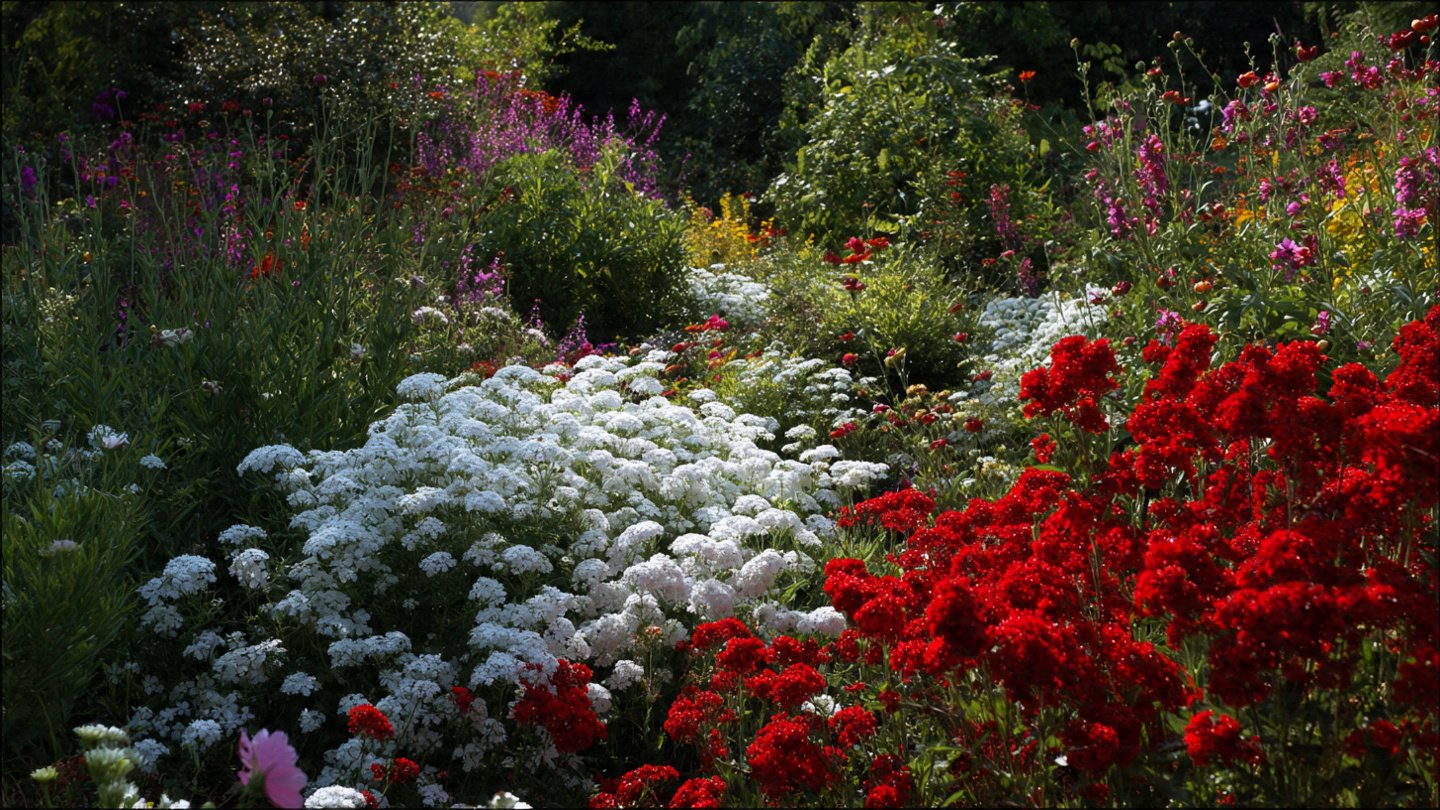
How to Create a Striking High Contrast Garden with Just Two Flower Colors
Creating a visually stunning garden doesn’t always require an array of colors. In fact, a high contrast garden featuring just two flower colors can make a bold statement and offer a unique aesthetic. This article will guide you through the principles of color theory, plants that work well together, design considerations, and maintenance tips to help you create a garden that stands out.
Understanding Color Theory
Before you dive into the specifics of flower selection and garden layout, it’s essential to understand the basics of color theory. In gardening, color can evoke emotions, create visual depth, and bring structure to your landscape.
-
Complementary Colors: These are opposite each other on the color wheel. For example, using purple and yellow will create a dynamic contrast. This kind of pairing can energize your space and draw attention to both colors.
-
Analogous Colors: These colors sit next to each other on the color wheel. An example would be blue and green. While they lack the stark contrast of complementary colors, they can create a soothing and harmonious effect.
-
Monochromatic Colors: This involves using different shades and tints of the same color. For instance, dark red and pale pink can create a sophisticated look, though it may lack the drama that high contrast gardens offer.
For a high contrast garden, we will primarily focus on complementary colors which will allow flowers to stand out against each other.
Choosing Your Colors
When selecting two flower colors for your garden, it is critical to choose options that not only contrast well but also thrive in your specific climate and soil type. Here are some popular combinations:
-
Yellow and Purple: Yellow blooms (like sunflowers or coreopsis) paired with purple flowers (like lavenders or asters) create a sunny, vibrant atmosphere.
-
Red and Green: While green is commonly a foliage color, it can be manipulated to create high contrast—think of red tulips against bright green foliage.
-
White and Dark Blue: White flowers like gardenias or daisies can create a crisp, clean contrast with deep blue flowers like delphiniums or bluebells.
-
Orange and Blue: This vibrant pairing can add energy and vivacity, making your garden appear lively and cheerful.
-
Pink and Green: This soft yet striking combination works beautifully in spring, with pink flowers like peonies contrasting against lush green foliage.
Selecting Plants
Once you’ve determined your color scheme, the next step is choosing the right flowers. Here are some excellent options for each color combination mentioned above:
-
Yellow and Purple:
- Yellow Flowers: Sunflowers, Black-eyed Susans, and Marigolds.
- Purple Flowers: Lavender, Bee Balm, and Purple Coneflower.
-
Red and Green:
- Red Flowers: Red Roses, Geraniums, and Red Hot Poker.
- Green Foliage: Ornamental grasses, ferns, and various shrubs.
-
White and Dark Blue:
- White Flowers: Daisies, White Astilbe, and Snowdrop.
- Dark Blue Flowers: Delphiniums, Lobelias, and Blue Salvia.
-
Orange and Blue:
- Orange Flowers: Daylilies, Orange Zinnias, and California Poppies.
- Blue Flowers: Bluebells, Hyacinths, and Scaevola.
-
Pink and Green:
- Pink Flowers: Peonies, Pink Phlox, and Geraniums.
- Green Foliage: Hosta plants, ferns, and various ground covers.
When selecting plants, pay attention to their growth habits, mature size, and blooming period. Choosing varieties that bloom at different times will ensure that your garden remains vibrant and engaging throughout the seasons.
Design Considerations
With your colors and plants in mind, you can start planning the layout of your garden. Here are some design principles to keep in mind:
-
Layering Heights: Use taller plants in the back or center of beds and shorter plants in the front. For example, pair tall sunflowers with lower purple lavenders in a mixed flower bed.
-
Use of Foliage: Don’t forget about the color of leaves! Dark green leaves can enhance bright colors, while lighter greens can soften vibrant blooms.
-
Grouping: Plant flowers in groups (known as plant massing) of the same color to make a bold statement. A cluster of one color will stand out against the contrasting color.
-
Pathways and Borders: Use pathways to guide the eye through the garden. Consider edging your garden with a low-growing flowering plant in one of your chosen colors to add an interesting border.
-
Incorporate Hardscaping: Structures like trellises, fences, or decorative stones can create additional layers of visual interest and help frame your flowers.
Creating Depth and Interest
A high contrast garden can risk appearing flat if all plants are grouped in uniform rows. To counteract this, consider the following techniques:
-
Vary Textures: Mix different types of flowers, foliage, and even ornamental grasses to create a layered look. This varies height and texture, thereby enhancing the visual charm.
-
Seasonal Interest: Select flowers that bloom at different times of the year to ensure your garden offers visual stimulation year-round. This may include perennial flowers, annual blooms, and even bulbs for spring.
-
Use Accents: Incorporate decorative elements such as garden statues, birdbaths, or unique containers. This adds visual weight and can serve as focal points amid the floral display.
-
Light Considerations: Consider how light plays on your colors. Flowers will look different at various times of the day and could either brighten or dim the vibrancy of your chosen colors.
Maintenance Tips
Creating a 高 contrasting garden requires not only thoughtful planning and design but also ongoing maintenance. Here are some practical tips:
-
Watering: Ensure your plants receive appropriate moisture, particularly during dry spells. Some flowers may require more attention, so understanding individual needs is essential.
-
Pruning: Regularly deadhead flowers to encourage more blooms and tidy appearance. Pruning can also help manage plant size and promote healthy growth.
-
Fertilization: Use appropriate fertilizers as suggested for your plants. Over-fertilizing can lead to excess foliage but fewer blooms, while under-fertilizing can stunt growth.
-
Weed Control: Keep weeds at bay as they can detract from the beauty of your contrasting colors. Mulching can help suppress weeds and retain soil moisture.
-
Pest Management: Use organic or non-toxic pest control methods to minimize damage while protecting beneficial insects.
Conclusion
Creating a striking high contrast garden with just two flower colors is achievable with careful planning and execution. By understanding color theory, selecting the right plants, and considering design elements, you can produce a visually stunning landscape that’s both vibrant and cohesive. The beauty of such a garden lies in its simplicity—using just two colors engages the eye and allows each flower to shine. With dedication and creativity, your garden can become a true work of art.