Introduction
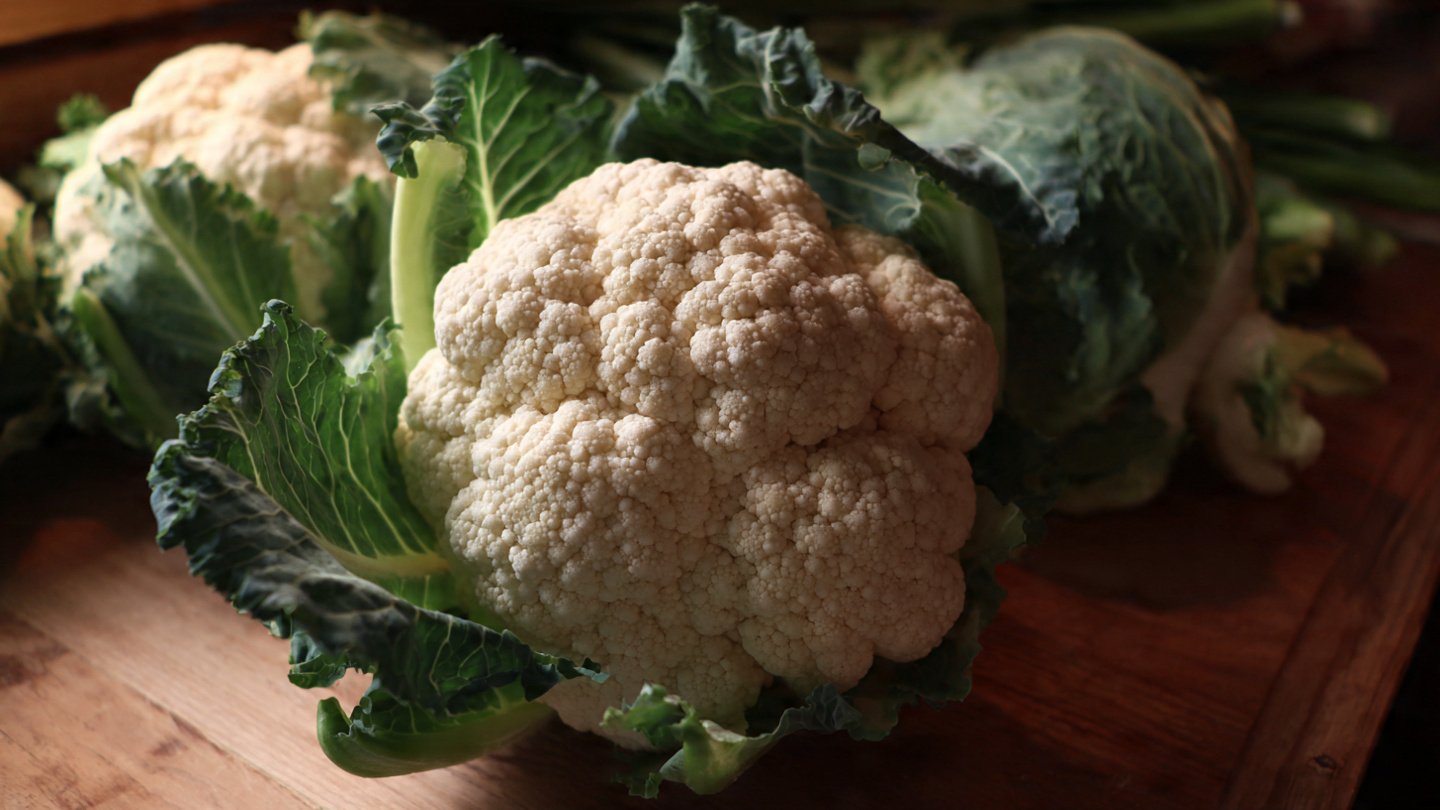
Cauliflower is a versatile vegetable that has gained popularity for its nutritional value and adaptability in various dishes, especially veggie rice. Cultivating cauliflower at home can be a rewarding experience, providing you with fresh and healthy produce right from your garden. In this guide, we will explore the essential steps to grow cauliflower at home and how to use it to make delicious veggie rice.
Understanding Cauliflower
Cauliflower belongs to the Brassica oleracea species, which also includes broccoli, kale, and Brussels sprouts. It is rich in vitamins C, K, and B6, as well as minerals like potassium and manganese. This superfood is low in calories and high in fiber, making it an excellent choice for health-conscious individuals.
Choosing the Right Variety
Before you start planting, it’s essential to choose the right variety of cauliflower suitable for your climate and culinary preferences. Some popular types include:
- White Cauliflower: The most common type, known for its creamy-white color.
- Purple Cauliflower: Rich in antioxidants and adds a pop of color to your dishes.
- Green Cauliflower: Also known as broccoflower, it has a milder flavor.
- Orange Cauliflower: High in vitamin A, giving it an orange hue.
Best Time to Plant Cauliflower
Cauliflower is a cool-season vegetable, thriving in temperatures between 60-70°F (15-21°C). Depending on your region, you can plant cauliflower either in spring or late summer for a fall harvest. Aim for:
- Spring planting: 4 to 6 weeks before the last frost.
- Fall planting: 10 to 12 weeks before the first frost.
Preparing the Soil
Cauliflower requires well-drained, fertile soil with a pH level ranging from 6.0 to 7.0. Here’s how to prepare the soil:
- Clear the area of weeds and debris.
- Amend the soil with compost or well-rotted manure to improve fertility.
- Test the soil pH and adjust as necessary using lime (to raise pH) or sulfur (to lower pH).
Planting Cauliflower Seeds
Once the soil is ready, it’s time to plant:
- Plant seeds indoors 6-8 weeks before the last expected frost. Use seed trays or pots with quality seed-starting mix.
- Sow seeds about ¼ to ½ inch deep and water gently.
- Keep the soil consistently moist until seedlings emerge, typically within 7-12 days.
- Once seedlings have 2-3 true leaves, transplant them outdoors or thin them to one per pot if they’re still indoors.
Transplanting Seedlings
When the seedlings are 4-6 inches tall and outdoor temperatures are suitable, it’s time to transplant:
- Choose a cloudy day or late afternoon to minimize transplant shock.
- Space seedlings 18-24 inches apart in rows 24-36 inches apart.
- Water thoroughly after transplanting.
Care and Maintenance
To ensure healthy growth and development of your cauliflower:
- Watering: Keep the soil consistently moist but not waterlogged. Aim for about an inch of water per week, more during hot spells.
- Fertilizing: Apply a balanced fertilizer every 4-6 weeks to promote healthy growth.
- Pests and Diseases: Watch out for pests like aphids and caterpillars. Use organic pesticides or natural methods to control infestations.
Harvesting Cauliflower
Harvesting your cauliflower at the right time is crucial for the best taste and texture:
- Look for a compact, firm head of cauliflower. The head should be 6-8 inches in diameter.
- Cut the head off with a sharp knife, leaving a few green leaves for protection.
- Harvest before the heads begin to flower (in full bloom) for optimal flavor.
Making Delicious Veggie Rice
Once you’ve harvested your fresh cauliflower, it’s time to turn it into veggie rice:
- Prepare the Cauliflower: Remove the leaves and stem, and cut the cauliflower into smaller florets.
- Rice It: Using a food processor, pulse the florets until they resemble rice or couscous. Alternatively, grate them with a cheese grater.
- Cooking: Sauté the riced cauliflower in a pan with a little olive oil for 5-7 minutes over medium heat. Season with salt, pepper, and your favorite herbs.
- Add Ins: Mix in vegetables, protein, or sauces to create your perfect dish. Enjoy it as a healthy side or a base for a main course!
Conclusion
Growing cauliflower at home is a fulfilling endeavor that not only yields delicious produce but also contributes to a healthier lifestyle. With proper planning, care, and attention, you can enjoy fresh, homegrown cauliflower for your veggie rice and countless other dishes. Remember, home gardening is a journey, and the joy of harvesting your vegetables makes it all worthwhile!
FAQs
1. How long does it take for cauliflower to grow?
Cauliflower typically takes about 70-100 days from seed to harvest, depending on the variety and growing conditions.
2. Can I grow cauliflower in containers?
Yes, you can grow cauliflower in containers, but ensure the container is at least 12 inches deep and wide to accommodate root growth.
3. What should I do if my cauliflower is starting to bolt?
If your cauliflower starts to bolt (flowering prematurely), it’s often due to stress from heat or inconsistent watering. Try to provide shade and improve watering conditions.
4. Can I freeze cauliflower rice?
Yes, you can freeze cauliflower rice! Just blanch it for a couple of minutes, then cool and store in an airtight container or freezer bag.
5. What are some other ways to use fresh cauliflower?
Besides veggie rice, fresh cauliflower can be used in salads, roasted, mashed, or turned into cauliflower soup.