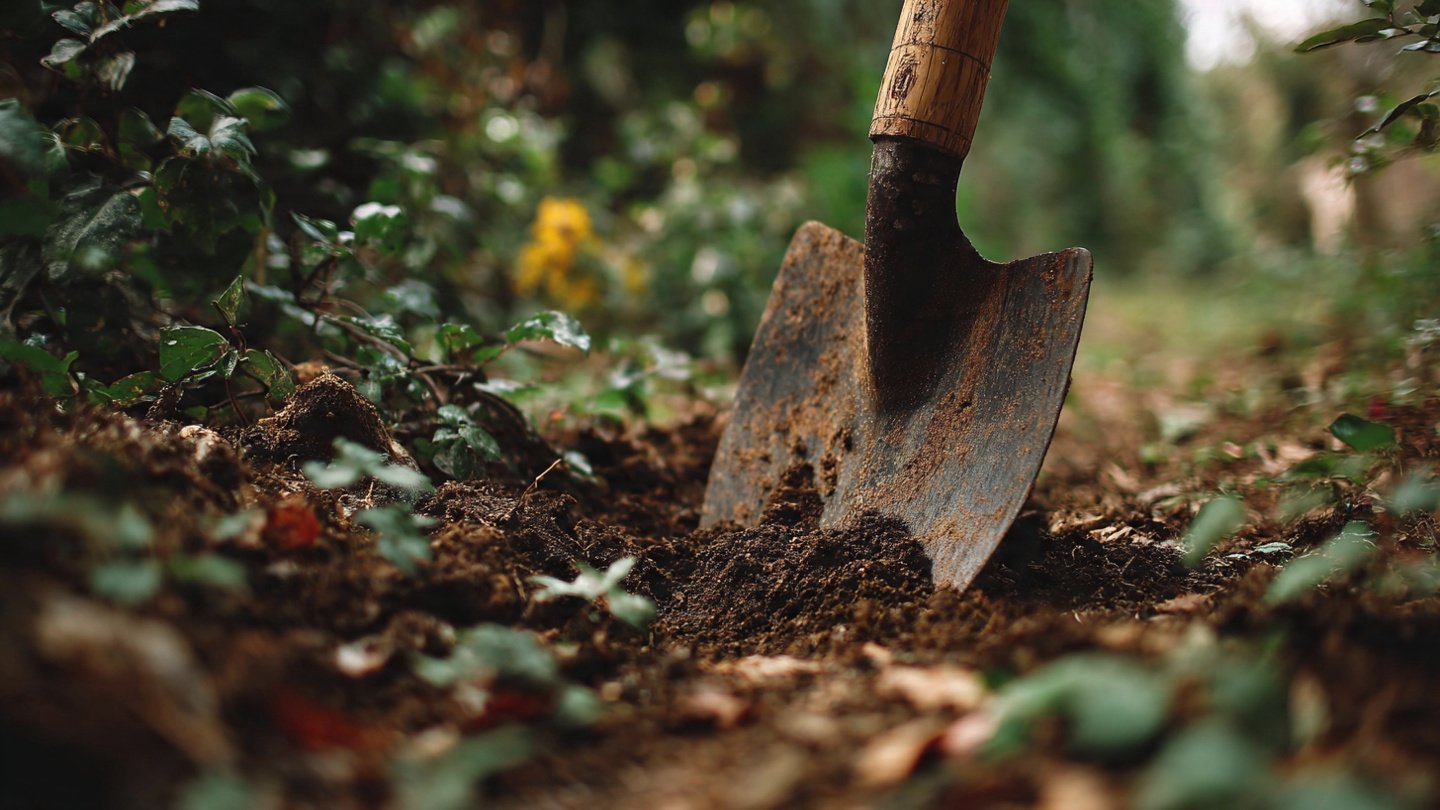
When one thinks of a garden, it’s common to envision vibrant flowers, lush vegetables, and perhaps a few decorative stones. However, within this delightful chaos lies a simple tool that holds incredible potential—the garden spade. Often relegated to the status of an afterthought in the garden shed, this humble tool can offer a multitude of benefits that go far beyond merely digging. In this article, we’ll explore the delightful and unexpected advantages of using a garden spade, the techniques you can employ, and why it deserves a prominent place in your gardening toolkit.
1. Enhancing Soil Structure
One of the most significant roles of a garden spade is its ability to improve soil structure. While you might think of standard tactics such as tilling, using a spade to turn and aerate the soil can yield excellent results. The sharp blade of a garden spade slices through compacted earth, allowing air and nutrients to penetrate deeper into the ground. This aeration promotes healthy root growth, enabling plants to thrive.
“Healthy soil is the foundation of a thriving garden.” – Unknown
2. Encouraging Physical Fitness
Gardening may seem like a serene hobby, but it can be quite a workout! Using a spade engages several muscle groups, providing an excellent form of low-impact exercise. Regular use can help improve your flexibility, strength, and endurance. In a world where many people lead sedentary lifestyles, spending time with a garden spade can be a great way to counteract that trend.
3. Improving Mental Well-being
The mental health benefits of gardening are well-documented, but they extend deeper than just enjoying the beauty. Using a garden spade can serve as a form of mindfulness, allowing you to focus on the task at hand while letting go of the stresses of daily life. The rhythmic action of digging can be meditative, infusing a sense of calm and tranquility into your day. Moreover, the time spent outdoors has been connected with reduced anxiety and depression, making the garden spade a tool for emotional well-being as well.
4. Versatile Applications
While many individuals think of a spade exclusively in terms of digging, its versatility is astonishing. Beyond the classic role, a spade can serve multiple functions:
- Edging: Create precise lines between different garden areas or flower beds.
- Weeding: Slice beneath the weeds to uproot them effectively.
- Planting: Make ditches for bulb planting or sowing seeds.
- Mulch Spreading: Use the flat side to spread mulch evenly over a bed.
5. Eco-Friendly Gardening
In an age where sustainable living is increasingly vital, using a garden spade aligns perfectly with eco-friendly practices. Unlike powered gardening tools, a spade requires no electricity, thereby minimizing your carbon footprint. Additionally, the careful method of digging encourages organic practices by allowing you to mix compost directly into your garden without harmful additives.
6. Stress Relief and Creativity
Gardening, particularly with a useful tool like a spade, allows for an escape into creativity. Whether you’re experimenting with new plant combinations or redesigning an entire garden plot, using a spade to facilitate these changes can be a satisfying experience. Engaging with nature has been shown to reduce stress, and the physical act of digging can release endorphins, leading to a euphoric feeling—a natural stress reliever.
7. Building a Connection with Nature
Using a garden spade, you connect more directly with your environment. Every dig brings you closer to the earth, providing firsthand experience with the soil’s texture, moisture, and composition. Understanding these aspects can enhance your connection with nature, fostering a sense of responsibility towards caregiving for our planet.
8. Creating a Beautiful Landscape
With the help of a garden spade, designing beautiful landscapes becomes an enjoyable process. By allowing for precision in creating garden beds or paths, you can enhance the visual appeal of your space. Implementing different designs using a spade opens up opportunities for creativity, enabling you to make your garden truly unique.
Conclusion
A garden spade is more than just a tool; it’s a gateway to enhancing soil vitality, enriching your physical wellness, and fostering mental health—all while encouraging eco-friendly practices. Its multifaceted applications transform it into a crucial element of any gardening toolkit. As you tend to your garden, consider how this unassuming spade can unlock new benefits you never previously considered. Embrace its unexpected advantages, and let it aid in crafting a flourishing and bountiful garden.
FAQs
1. Can a garden spade be used for all soil types?
Yes, a garden spade can be used for various soil types; however, it is essential to select the right spade based on your soil’s condition. For soft, loamy soil, a standard spade will work well. For heavy clay or rocky soil, you might want to consider a heavier-duty spade designed for tougher conditions.
2. How do I choose the right size garden spade?
Choosing the right size spade depends on your height and the area you’re working on. Generally, spades come in two sizes: standard and short. If you’re taller, a standard-length spade will provide better leverage, while a short spade might be more suitable for smaller, tighter garden spaces.
3. Is it necessary to maintain my garden spade?
Absolutely! Regular maintenance, such as cleaning and sharpening the blade, helps ensure efficiency and prolongs the life of the spade. After each use, clean off soil and debris, and periodically sharpen the blade to maintain optimal performance.
4. Can I use a garden spade for planting trees?
Yes, a garden spade can effectively be used for planting trees, particularly for digging out the initial hole. Ensure the hole is deep and wide enough to accommodate the root ball of the tree for successful planting.
5. What is the difference between a garden spade and a shovel?
A garden spade typically has a flat blade designed for digging and edging, while a shovel features a broader, scooped blade for moving and lifting materials like soil, gravel, or compost. Each tool serves a different purpose in gardening activities.