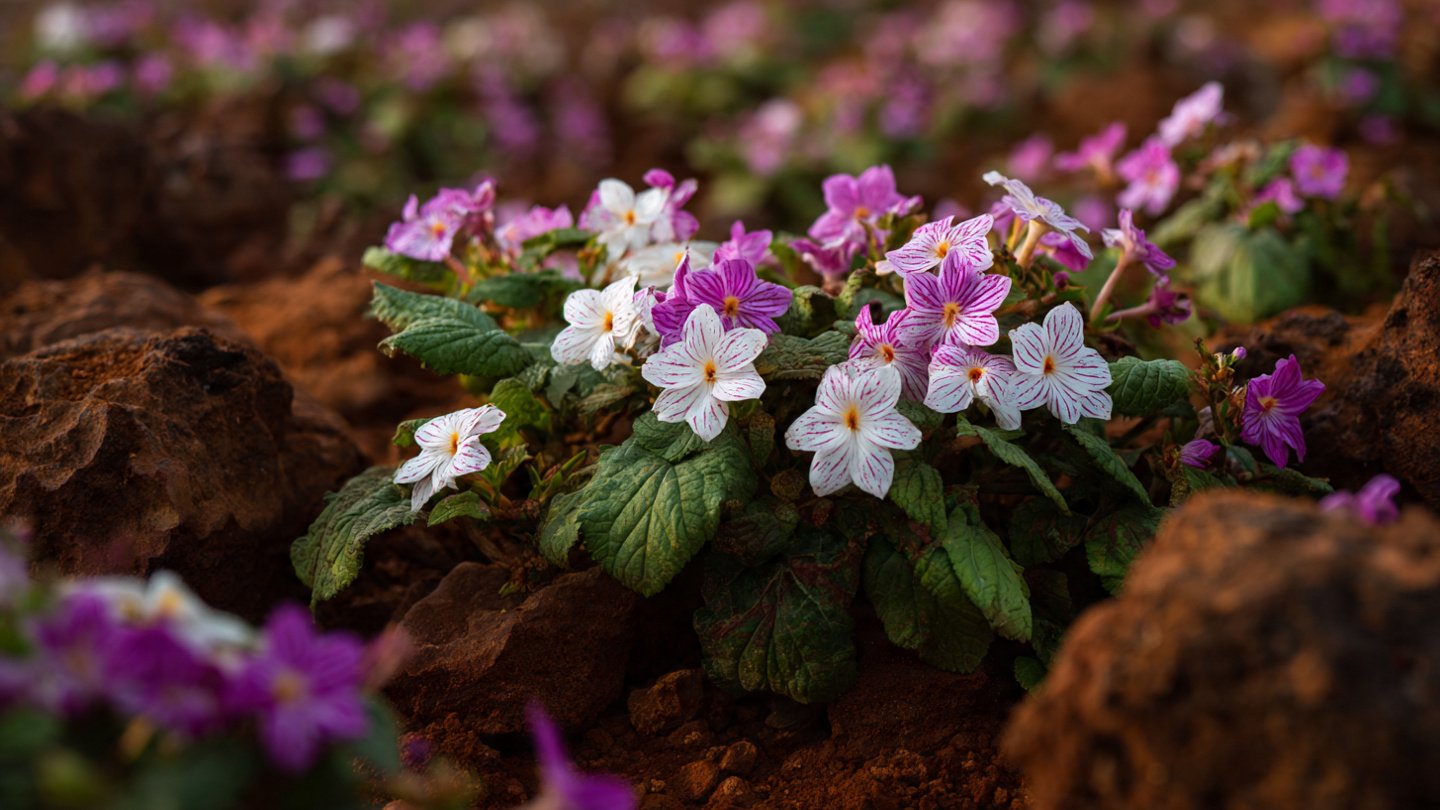
Gardening can be a delightful and fulfilling hobby, yet it poses unique challenges, particularly when dealing with dense clay soil. Clay soil, known for its compact nature and resistance to drainage, can deter many aspiring gardeners. However, with the right techniques and plants, it’s possible to cultivate a flourishing garden filled with vibrant flowers. This article delves into the intricacies of thriving with flowers in dense clay soil, offering practical tips and choices for success.
Understanding Dense Clay Soil
Before diving into solutions and techniques, it’s crucial to understand what dense clay soil is. Clay soil is composed of very fine particles that pack tightly together. Here are some defining characteristics:
- Water Retention: Clay soil holds water well, leading to potential drainage issues.
- Compaction: The particles in clay are tightly packed, making it difficult for roots to penetrate.
- Nutrient-Rich: While heavy clay can hold nutrients, its density can sometimes make them unavailable to plants.
- Temperature Variability: Clay soil can take longer to warm up in spring compared to sandy soils.
Challenges of Growing Flowers in Clay Soil
Despite its nutrient-retaining properties, growing flowers in dense clay soil presents a variety of challenges:
- Poor Aeration: The compacted nature restricts airflow, essential for root health.
- Waterlogging: Overwatering or heavy rain can lead to standing water, risking root rot.
- Difficult Root Growth: Roots may struggle to penetrate dense soil, which can stunt plant growth.
- Nutrient Availability: Even though clay is nutrient-rich, accessibility can be limited due to its compact structure.
Preparing Clay Soil for Planting
Transforming dense clay soil into a flourishing environment for flowers involves several steps. Here’s how to prepare your clay soil for planting:
1. Soil Testing
Before any amendments, test your soil. A soil test will determine the pH levels and nutrient composition, guiding your amendments.
2. Amend the Soil
Add organic matter to improve the texture and nutrient content of clay soil. Here are some effective amendments:
- Compost: This not only adds nutrients but also enhances drainage.
- Peat Moss: Great for improving moisture retention while aiding aeration.
- Aged Manure: Provides nutrients while boosting soil structure.
- Gypsum: Helps to break up compacted clay and improves drainage.
3. Tilling and Mixing
Once you’ve chosen your amendments, till the soil. This process incorporates organic materials into the clay, increasing aeration and drainage. Aim for a depth of about 12-18 inches.
4. Mulching
Applying mulch on top of the soil can protect it from erosion and help regulate temperature. Organic mulches, such as shredded bark or straw, also gradually decompose, enriching the soil further.
Choosing the Right Flowers for Clay Soil
Not all flowers are suited for clay soil conditions. Selecting the right varieties is crucial. Below are some flower plants known to thrive in clay soil:
- Daylilies: These resilient perennials flourish in various soil types, including clay, and offer vibrant blooms.
- Black-Eyed Susans: A native wildflower that thrives with little maintenance in clay soil.
- Hostas: Perfect for shady areas, hostas can adapt well to clay soil conditions.
- Astilbes: These shade-loving flowers work well in moist environments typical of clay soil.
- Coreopsis: A drought-tolerant perennial that can survive in less-than-ideal soil conditions.
Watering Techniques for Clay Soil
Given the water-retaining nature of clay, careful watering is essential. Follow these tips:
- Deep Watering: Instead of frequent shallow waterings, opt for less frequent but deeper watering routines to encourage deep root systems.
- Rain Gardens: Create rain gardens to manage excess water and promote drainage in your garden beds.
- Drip Irrigation: Consider installing drip irrigation systems that provide water directly to the roots, minimizing waterlogging.
Maintenance Tips for a Healthy Flower Garden
After successfully planting flowers in clay soil, ongoing maintenance is vital for thriving plants:
- Regular Weeding: Keep weeds at bay, as they compete for nutrients and can worsen compacted conditions.
- Seasonal Mulching: Reapply mulch as needed to maintain moisture levels and suppress weeds.
- Fertilization: Use organic fertilizers to provide nutrients without harming the soil structure.
- Pruning: Regularly prune dead or damaged parts of your flowers to promote healthy growth.
Conclusion
With the right preparations, techniques, and careful plant selection, thriving flowers in dense clay soil is achievable. By understanding the challenges and taking proactive steps, you can transform what once seemed like a gardening hindrance into a vibrant landscape. Remember, patience and persistence are key. Embrace the journey, and your efforts will be rewarded with a flourishing flower garden that you can enjoy for years to come.
FAQs
1. Can I improve my clay soil permanently?
Yes, by continuously adding organic matter and practicing good gardening techniques, you can improve clay soil over time, enhancing drainage and nutrient availability.
2. What happens if I plant flowers directly into clay soil?
Flowers may struggle with growth due to poor drainage, nutrient access, and oxygen availability. It’s best to amend the soil before planting.
3. Is there a best time to plant flowers in clay soil?
Spring and fall are typically the best times to plant in clay soil, as temperatures are moderate and plants establish better with adequate moisture.
4. How often should I water flowers in clay soil?
Water deeply but infrequently, allowing the soil to dry slightly between waterings to prevent waterlogging and root rot.
5. Are there any flowers I should avoid?
Avoid sensitive flowers that require well-draining soils, such as many types of roses and delicate annuals that can succumb to root rot in heavy clay conditions.