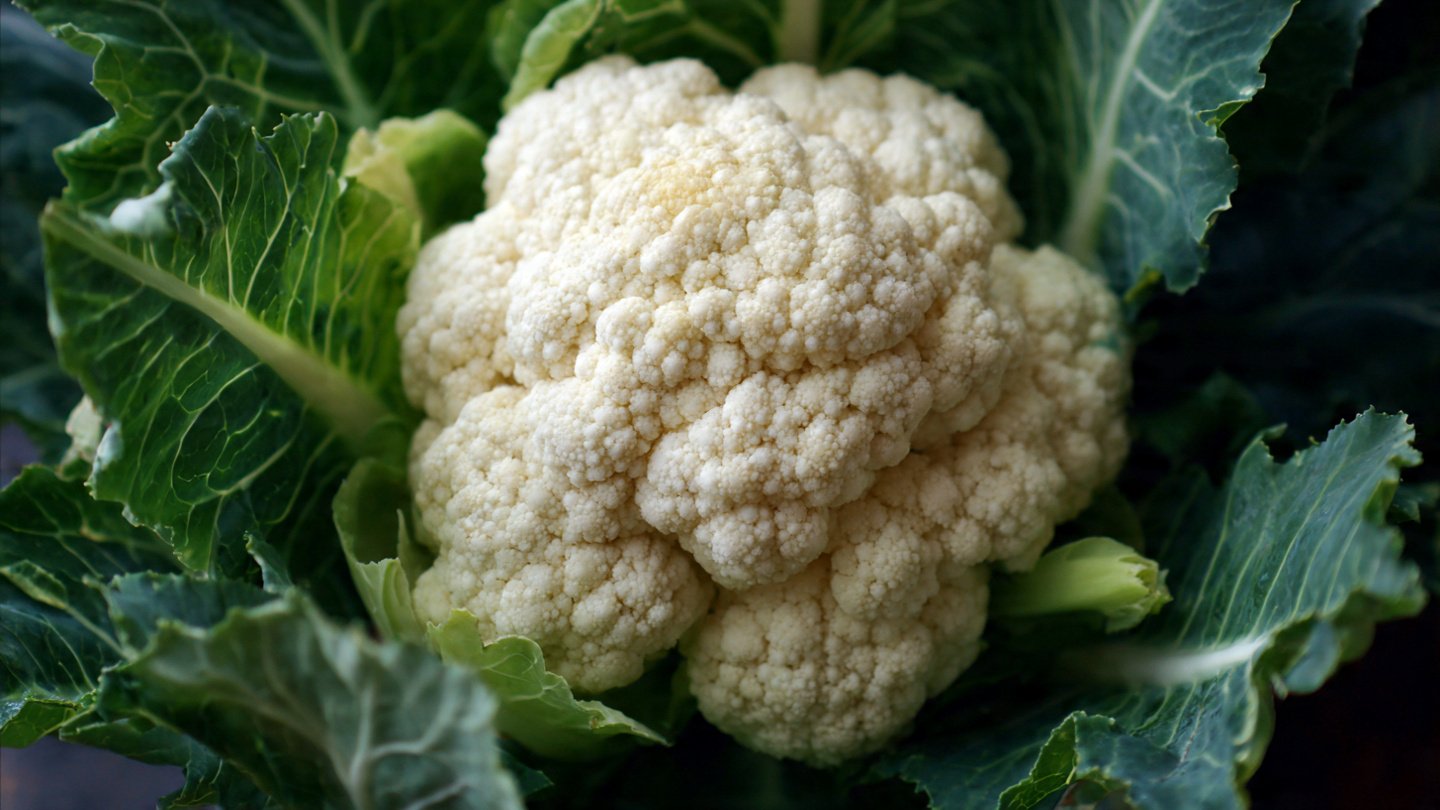
Growing your own vegetables can be a rewarding experience, especially when it comes to nutrient-rich crops like cauliflower. This versatile vegetable can be used to create a delicious and healthy rice alternative known as cauliflower rice. In this article, we will explore the viability of growing cauliflower at home, the benefits of cultivating this veggie, and how to transform it into a delectable addition to various meals.
Understanding Cauliflower
Cauliflower (Brassica oleracea) is part of the cruciferous family of vegetables, which also includes broccoli, kale, and Brussels sprouts. It is an incredibly nutritious vegetable, rich in vitamins C and K, fiber, and antioxidants. Growing cauliflower at home not only ensures that you have a fresh supply of this nutrient powerhouse but also enables you to control the growing conditions and avoid pesticides.
Benefits of Growing Cauliflower at Home
- Freshness: Homegrown cauliflower tastes better and is fresher than store-bought varieties.
- Control Over Growth Conditions: You can manage soil quality, watering, and sunlight, which leads to healthier plants.
- Pesticide-Free: You can grow cauliflower organically, avoiding harmful chemicals.
- Satisfaction: There’s a unique joy that comes from growing and harvesting your own food.
Growing Conditions for Cauliflower
Before diving into the growing process, it’s essential to understand the conditions under which cauliflower thrives:
Soil Requirements
Cauliflower prefers loamy, well-draining soil that is rich in organic matter. A pH level of 6.0 to 7.0 is ideal. You can enhance your soil by adding compost or well-rotted manure to improve fertility.
Sunlight
Cauliflower needs full sun to grow properly. Aim for six to eight hours of direct sunlight each day. If you live in a warmer climate, providing some afternoon shade can help prevent the plant from bolting.
Temperature
This vegetable thrives in cooler weather, with the ideal temperature range being between 60°F and 70°F (15°C – 21°C). In most regions, you can plant cauliflower in early spring or late summer for a fall harvest.
Planting Cauliflower
Starting Seeds Indoors
To get a head start, begin by starting cauliflower seeds indoors about 4 to 6 weeks before the last expected frost date. Fill seed trays with seed-starting mix and place the seeds about 1/4 inch deep. Keep the soil moist and provide sufficient light, either through natural sunlight or grow lights.
Transplanting Outdoors
Once the seedlings have developed two to three true leaves and the outdoor temperatures are suitable, you can transplant them outdoors. Space the seedlings about 18 to 24 inches apart in rows to allow for adequate growth.
Care and Maintenance
Watering
Regular watering is crucial for cauliflower. Ensure that the soil remains consistently moist but not waterlogged. A thorough watering once a week should suffice, adjusting based on rainfall and temperature.
Nutrient Requirements
Using a balanced fertilizer can help your cauliflower thrive. Look for one that has equal parts nitrogen, phosphorus, and potassium. Apply the fertilizer according to package instructions during the growing season.
Pest and Disease Management
Cauliflower can be susceptible to various pests such as aphids, cabbage worms, and flea beetles. Consider using row covers to protect young plants and regularly inspect them for signs of pests. If disease occurs, rotating crops can help mitigate issues in subsequent growing seasons.
Harvesting Cauliflower
Cauliflower is generally ready for harvest about 70 to 100 days after planting. The heads should be compact and firm, with a creamy white color. Harvest by cutting the head from the main stem, leaving some leaves to protect the remaining plant.
Transforming Cauliflower into Veggie Rice
Once you’ve harvested your cauliflower, it’s time to enjoy it! One popular way of using cauliflower is by turning it into “rice.” Cauliflower rice is an excellent low-carb substitute for traditional rice, perfect for various dishes.
How to Make Cauliflower Rice
- Wash and Cut: Start by washing your cauliflower. Remove the leaves and core, then chop it into smaller florets.
- Pulse in a Food Processor: Add the florets to a food processor and pulse until they resemble rice grains. Be careful not to over-process, which can create a mushy texture.
- Cook: Sauté the “rice” in a little olive oil for 5-7 minutes, or until tender. Season with salt, pepper, or your preferred herbs and spices.
- Serve: Cauliflower rice can be served as a side dish or used as a base for stir-fries, bowls, or salads.
Conclusion
Growing cauliflower at home is not only feasible but can be an enjoyable and productive endeavor. With the right conditions, care, and techniques, you can produce delicious, fresh cauliflower that can be transformed into flavorful and healthy veggie rice. Whether you’re seeking to reduce your carbohydrate intake or simply want to enjoy a fresh ingredient in your meals, cauliflower rice is an excellent addition to your culinary arsenal.
FAQs
1. Can I grow cauliflower in containers?
Yes, cauliflower can be grown in large containers as long as they provide adequate depth and drainage. Choose a container that is at least 12-15 inches deep and wide.
2. How do I prevent my cauliflower from bolting?
To prevent bolting, plant cauliflower at the right time for your climate, provide consistent moisture, and ensure they receive appropriate shade during hot weather.
3. Can I grow cauliflower year-round?
Cauliflower is typically a cool-season crop. You can grow it in spring or fall, but in some regions with mild winters, it may be possible to grow during winter.
4. What diseases should I watch for when growing cauliflower?
Common diseases include downy mildew, black rot, and clubroot. Rotating crops and ensuring proper drainage can help prevent these issues.
5. How can I store harvested cauliflower?
Store unwashed cauliflower in the refrigerator for up to a week. Keep it in a perforated plastic bag to maintain freshness.