Pollination is a crucial process that significantly affects the productivity and health of your vegetable garden. Without proper pollination, many vegetables cannot produce fruit, leading to disappointing yields. In this article, we will explore how effective pollination can transform your vegetable garden, the different methods of pollination, the benefits it offers, and how you can enhance pollination in your garden.
Understanding Pollination
At its core, pollination is the transfer of pollen from the male parts of a flower (anthers) to the female parts (stigma) to facilitate fertilization. This process is vital for the reproduction of flowering plants, including numerous vegetables. While some plants can self-pollinate, others require the help of external agents, such as insects, wind, or water, to achieve effective pollination.
The Role of Pollinators
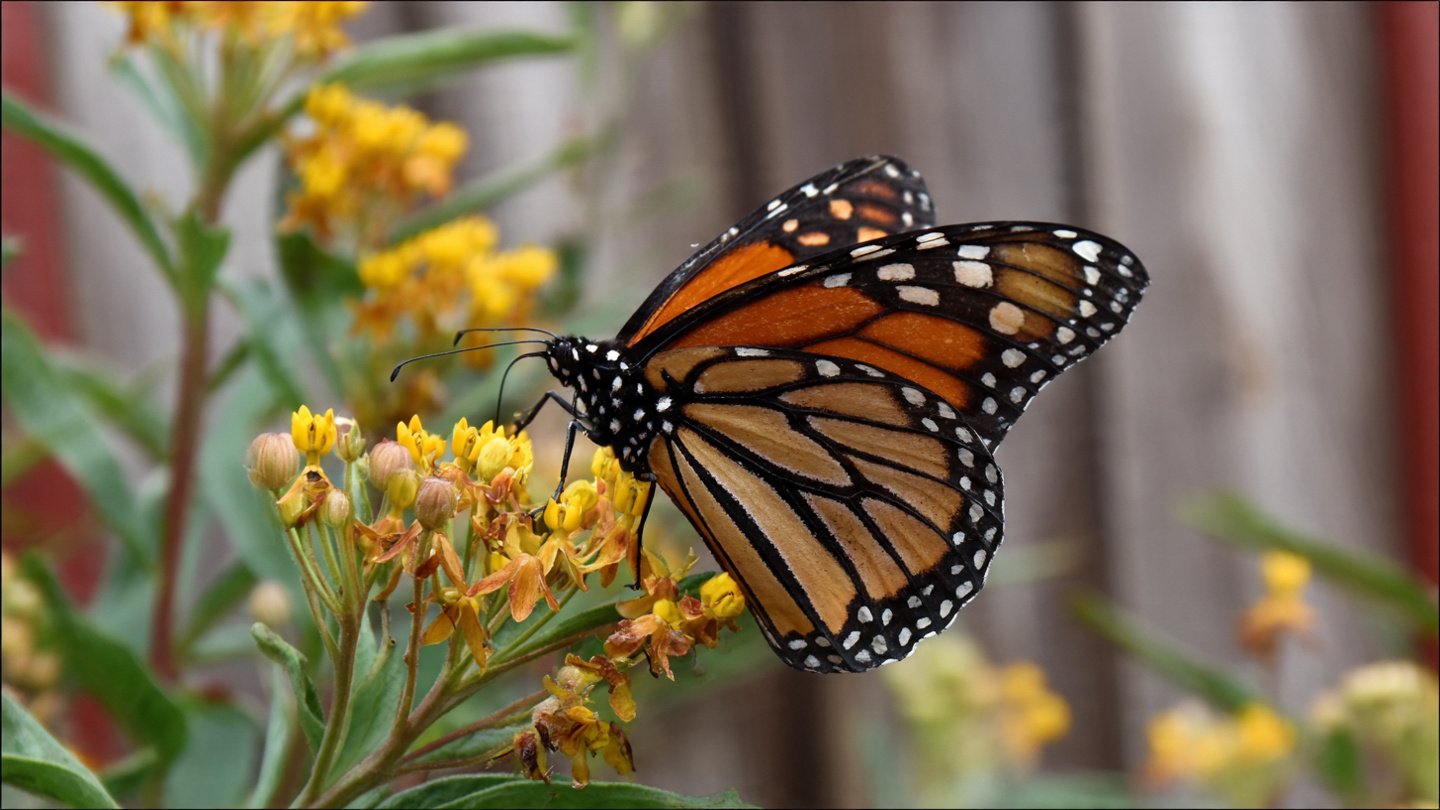
In nature, various pollinators, including bees, butterflies, birds, and even bats, play an essential role in pollinating plants. Bees, particularly honeybees and bumblebees, are among the most effective pollinators for gardens. They visit flowers in search of nectar and, in the process, transfer pollen from one bloom to another. Understanding the importance of these pollinators can help you create an environment that supports and attracts them.
Types of Pollination
There are two primary types of pollination that you should be aware of when planning your vegetable garden:
1. Self-Pollination
Self-pollinating plants have both male and female reproductive parts within the same flower, allowing them to fertilize themselves. Common self-pollinating vegetables include:
- Tomatoes
- Peppers
- Cucumbers
2. Cross-Pollination
Cross-pollination occurs when pollen from one flower fertilizes another flower of the same species. Many vegetable plants, such as squash, corn, and melons, benefit from cross-pollination and depend on external pollinators to achieve optimal productivity.
The Benefits of Proper Pollination
Effective pollination can lead to numerous benefits for your vegetable garden, including:
1. Increased Yields
When pollination occurs correctly, it ensures a higher fruit set, leading to increased yields. Studies have shown that plants that receive adequate pollinator visits produce more fruit and larger crops than those that do not.
2. Enhanced Quality of Produce
Proper pollination contributes to the size, shape, and overall quality of vegetables. Well-pollinated fruits tend to have better taste, texture, and nutritional value, making them more appealing to consumers and home gardeners alike.
3. Improved Biodiversity
By encouraging a variety of pollinators to visit your garden, you promote biodiversity. A diverse ecosystem can lead to better soil health and more resilient plant varieties, which are crucial for sustainable gardening.
4. Reduced Pest Problems
Healthy plants that are adequately pollinated are often more vigorous and resistant to pests and diseases. This resilience translates to fewer pest problems for you, less reliance on chemical pesticides, and a healthier garden overall.
Ways to Enhance Pollination in Your Vegetable Garden
Now that you understand the importance of pollination, here are several effective strategies to enhance it in your vegetable garden:
1. Plant a Diverse Range of Flowers
Incorporating flowering plants into your vegetable garden can attract pollinators. Choose a variety of flowering plants that bloom at different times throughout the growing season to provide continuous food sources for pollinators.
2. Create Habitats for Pollinators
Provide shelters such as bee hotels, brush piles, or native plants that offer habitat and nesting sites for pollinators. This encourages them to linger and work in your garden.
3. Minimize Pesticide Use
Avoid using harsh pesticides that can harm pollinators. Instead, opt for natural pest control methods that are less harmful to beneficial insects. If pesticide use is necessary, apply them in the evening when pollinators are less active.
4. Hand Pollination
In some cases, you may want to take matters into your own hands and manually pollinate your plants. For plants like squash or cucumbers that rely heavily on bee activity, using a small brush or your fingers to transfer pollen from male to female flowers can be effective.
5. Provide Water Sources
Pollinators, especially bees, need water. Providing shallow dishes with fresh water can attract them to your garden. Ensure that these water sources are not too deep to avoid drowning.
Conclusion
Proper pollination is a transformative factor in the success of your vegetable garden. It plays a vital role in increasing yields, enhancing produce quality, and promoting biodiversity. By understanding pollination and taking steps to support pollinators, you can create a thriving vegetable garden that benefits both you and the environment. Create an inviting haven for pollinators, and watch your garden flourish.
FAQs
1. How do I know if my plants are pollinated?
You can tell if your plants are pollinated if they develop fruit after blooming. If flowers fall off without producing fruit, it may indicate poor pollination.
2. Can I grow a vegetable garden without pollinators?
Yes, but yields will likely be significantly lower. However, some self-pollinating plants can still thrive without external pollinators.
3. What can I do if I notice fewer pollinators in my garden?
To attract more pollinators, plant diverse flowers, provide food and shelter, reduce pesticide usage, and create a welcoming environment for them.
4. Is hand pollination effective?
Yes, hand pollination can effectively increase fruit set, especially for plants that require cross-pollination. Timing and technique are important.
5. Which vegetables are most reliant on pollinators?
Vegetables such as pumpkins, squash, cucumbers, and melons depend heavily on pollinators for successful pollination and fruit production.