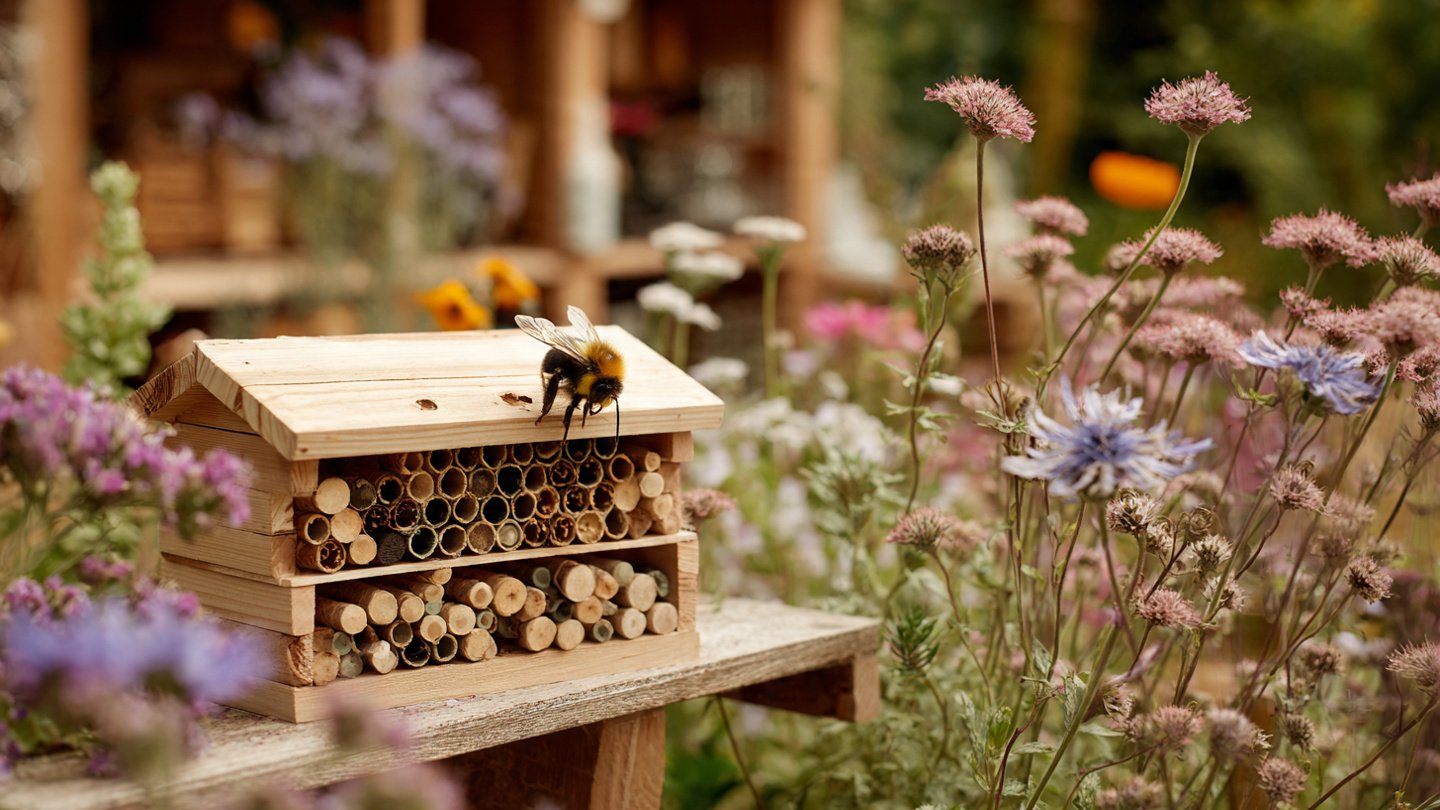
Pollinator hotels, also known as bee hotels, are specially designed structures that provide nesting sites for various pollinators, particularly solitary bees. Unlike honeybees, who live in colonies, solitary bees do not form hives and often require individual nesting spaces. A pollinator hotel can consist of materials such as bamboo, wood, and hollow stems, offering safe environments for these vital creatures.
Why Pollinators Matter
Pollinators play a crucial role in our ecosystems and food systems. About 75% of the world’s flowering plants depend on pollinators to reproduce, including a significant number of agricultural crops. Without them, many fruits, vegetables, and nuts that we rely on could vanish.
- Increased Crop Yields: Studies show that areas with higher pollinator populations result in higher crop productivity.
- Biodiversity: Pollinators support the health of ecosystems and contribute to biodiversity.
- Food Security: Pollinators are essential for growing a variety of foods, which is important for global food security.
How Pollinator Hotels Enhance Gardens
By providing inviting habitats for pollinators, pollinator hotels can transform your garden’s harvest in several ways:
1. Attracting a Variety of Pollinators
Pollinator hotels invite different species of solitary bees, butterflies, and even some birds, creating a diverse pollination workforce. This diversity helps ensure that your garden receives optimal pollination, thereby increasing the potential harvest.
2. Promoting Longevity of Pollinators
Pollinator hotels can help sustain the local population of pollinators. With safe nesting places, these creatures can reproduce and thrive, establishing a reliable source for pollination year after year.
3. Ecological Balance
Encouraging pollinators in your garden contributes to the ecological balance. By supporting their population, you also combat pests naturally. Pollinators can help cross-pollinate plants and increase the genetic diversity of crops, which leads to healthier plants capable of resisting disease.
4. Enhanced Fruit and Vegetable Quality
Well-pollinated plants not only yield more produce but also typically generate healthier and tastier fruits and vegetables. Proper pollination ensures that blooms develop into quality harvests, which can lead to a more vibrant and fruitful garden.
Building Your Own Pollinator Hotel
Creating a pollinator hotel doesn’t require advanced skills. Here are some steps to build one in your garden:
Step 1: Select a Location
Choose a sunny, sheltered spot in your garden. Pollinators prefer areas that are protected from harsh winds and have access to blooming plants.
Step 2: Gather Materials
Use materials like:
- Bamboo tubes
- Wood with drilled holes
- Straw or dried leaves
- Earth and sand for ground-nesting bees
Step 3: Assemble the Hotel
Combine your materials in a layered structure. Ensure that the tubes, holes, and nests are accessible and secure. You can also add decorative elements, but keep functionality in mind.
Step 4: Maintenance
Keep the hotel clean by ensuring it’s free of mold and debris. During the winter months, protect the hotel from harsh weather to help provide a safe haven for the pollinators.
Supporting Pollinator Populations Beyond Hotels
While pollinator hotels are vital, there are additional ways to enhance your garden’s environment:
- Plant Pollinator-Friendly Flora: Choose native flowering plants that bloom at different times throughout the growing season to provide constant foraging opportunities.
- Avoid Pesticides: Reducing or eliminating pesticide use can greatly benefit pollinators, allowing them to thrive without the threat of chemical harm.
- Water Sources: Adding shallow dishes or puddles with rocks can provide necessary hydration for pollinators.
Conclusion
Incorporating a pollinator hotel into your garden can be a game changer. Not only does it attract and support a variety of pollinators, but it also enhances crop yields, diversifies ecosystems, and promotes overall garden health. By investing in these structures and adopting pollinator-friendly practices, gardeners can significantly boost their harvests while contributing to the sustainability of our environment.
FAQs
What types of pollinators can be attracted to a hotel?
Pollinator hotels primarily attract solitary bees, such as mason bees and leafcutter bees, but they can also draw butterflies, lacewings, and beneficial insects.
Do I need to place the hotel in a sunny area?
Yes, pollinators prefer sunny spots to warm themselves and forage. A sheltered location will protect them from harsh weather conditions.
How often should I clean my pollinator hotel?
It’s advisable to clean your hotel once a year, ideally in late fall or early spring, to remove old debris and pests while maintaining a welcoming environment for new inhabitants.
Can I use my pollinator hotel in a small garden?
Absolutely! Pollinator hotels can fit in small spaces, making them suitable for any garden, balcony, or urban setting.
Are there specific plants I should focus on alongside my pollinator hotel?
Native flowering plants are highly recommended. Species like coneflowers, black-eyed Susans, and wildflowers attract various pollinators and should be prioritized in your garden.