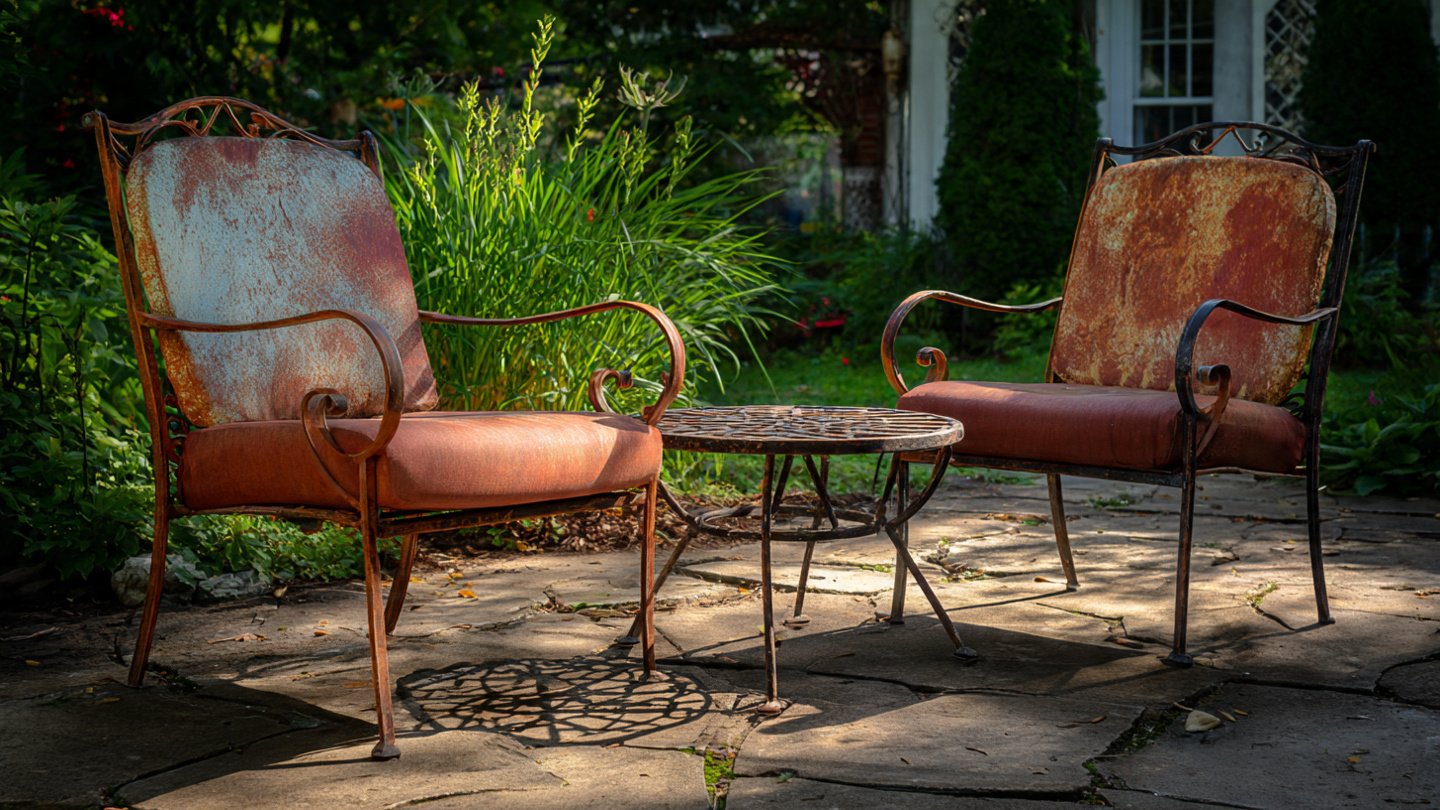
Patio furniture allows for relaxation outdoors, but nothing spoils that peace faster than faded and worn-out furnishings. While it’s widely known that sunlight can contribute to fading, the reasons behind it are often more complicated than one might think. This article delves into the hidden factors that cause patio furniture to fade in the sun, offering insights into materials, environmental impacts, and maintenance tips to keep your outdoor space looking its best.
1. The Role of UV Radiation
One of the primary culprits behind the fading of patio furniture is ultraviolet (UV) radiation. The sun emits UV rays that can penetrate the chemical structures of various materials.
- UV Exposure: UV rays can break down the chemical bonds in plastics, textiles, and even certain metals. When these bonds are compromised, the colors and finishes start to fade.
- Protective Coatings: Many furniture manufacturers apply protective coatings to help resist UV damage. Over time, these coatings wear off, exposing the material underneath to direct sunlight and accelerating the fading process.
2. Material Matters
The susceptibility of your patio furniture to fading largely depends on the materials used. Here’s a closer look at how different materials react to sunlight:
- Wood: Natural wood, like cedar or teak, can fade over time, but it typically develops a weathered look that many find appealing. Hardwoods often come with a protective oil finish that needs to be reapplied regularly.
- Metal: Aluminum and other metals often have finishes that can fade and chip. Powder-coated metals are more resistant, but even they can show signs of fading when exposed to harsh sunlight.
- Plastic: Plastic furniture, especially those in bright colors, is particularly vulnerable. The pigments used in plastic can degrade when exposed to UV light, leading to discoloration.
- Textiles: Fabrics used in cushions and umbrella canopies are also at risk. Outdoor fabrics are often treated to resist fading, but they still require regular care. Look for UV-treated materials for better longevity.
3. Environmental Factors
In addition to UV radiation, other environmental factors contribute to the fading of patio furniture:
- Air Pollution: Pollutants in the air, such as smoke and chemicals, can cause additional wear and tear on outdoor furniture. They may not only dull the color but can also promote chemical reactions that make materials more vulnerable to sunlight.
- Humidity and Rain: If you live in a humid area or experience frequent rainfall, moisture can impact the integrity of your furniture materials. Wood can swell and crack, while metal can rust, leading to further fading.
- Temperature Fluctuations: Extreme temperature changes (both hot and cold) can also lead to materials expanding or contracting, which can weaken finishes and increase the likelihood of fading.
4. Maintenance and Care
Preventing fading may seem like a daunting task, but with the right maintenance techniques, you can significantly prolong the life and appearance of your furniture:
- Regular Cleaning: Cleaning your patio furniture regularly helps remove dirt and pollutants that can contribute to fading. Use a mild soap and water to wash surfaces and avoid harsh chemicals that could damage finishes.
- UV Protectants: Applying UV protectant sprays specifically designed for outdoor furniture can help provide an additional layer of defense. These products can substantially slow down the fading process.
- Covering Furniture: Whenever possible, use covers to protect your furniture from sunlight and other environmental factors when not in use. This can significantly reduce exposure to harmful UV rays.
- Strategic Placement: Consider the layout of your outdoor area. If possible, arrange furniture in shaded areas or under umbrellas to minimize direct sunlight exposure.
5. Choosing the Right Furniture
If you’re in the market for new patio furniture, consider materials that are more resistant to fading. Here are some options:
- High-Density Polyethylene (HDPE): This plastic furniture option is known for its UV resistance and overall durability.
- Teak Wood: Though more expensive, teak’s natural oils make it resistant to fading and damage from the elements.
- Powder-Coated Aluminum: This metal choice not only resists fading but also prevents rusting.
Conclusion
Understanding the factors that contribute to fading will help you take meaningful steps in protecting your patio furniture. From UV radiation exposure to environmental impacts and material choices, taking the right precautions can preserve the beauty and longevity of your outdoor furniture. With regular maintenance and the right materials, your outdoor space can look vibrant and inviting for years to come.
FAQs
1. How often should I clean my patio furniture to prevent fading?
It’s recommended to clean your patio furniture at least once a month, especially during peak usage seasons. Use mild soap and water for best results.
2. Can I apply regular indoor furniture protectants on outdoor furniture?
No, indoor furniture protectants may not provide the necessary UV resistance needed for outdoor conditions. Always choose products specifically made for outdoor furniture.
3. Are there any specific materials I should avoid for patio furniture?
Avoid furniture made from cheap plastics or untreated woods, as they are more susceptible to fading and degradation over time.
4. How can I restore fading furniture?
Depending on the material, you might consider sanding wood to remove the faded layer, applying a fresh coat of paint for metals, or using fabric dyes for textiles. Always follow manufacturer recommendations for the best results.