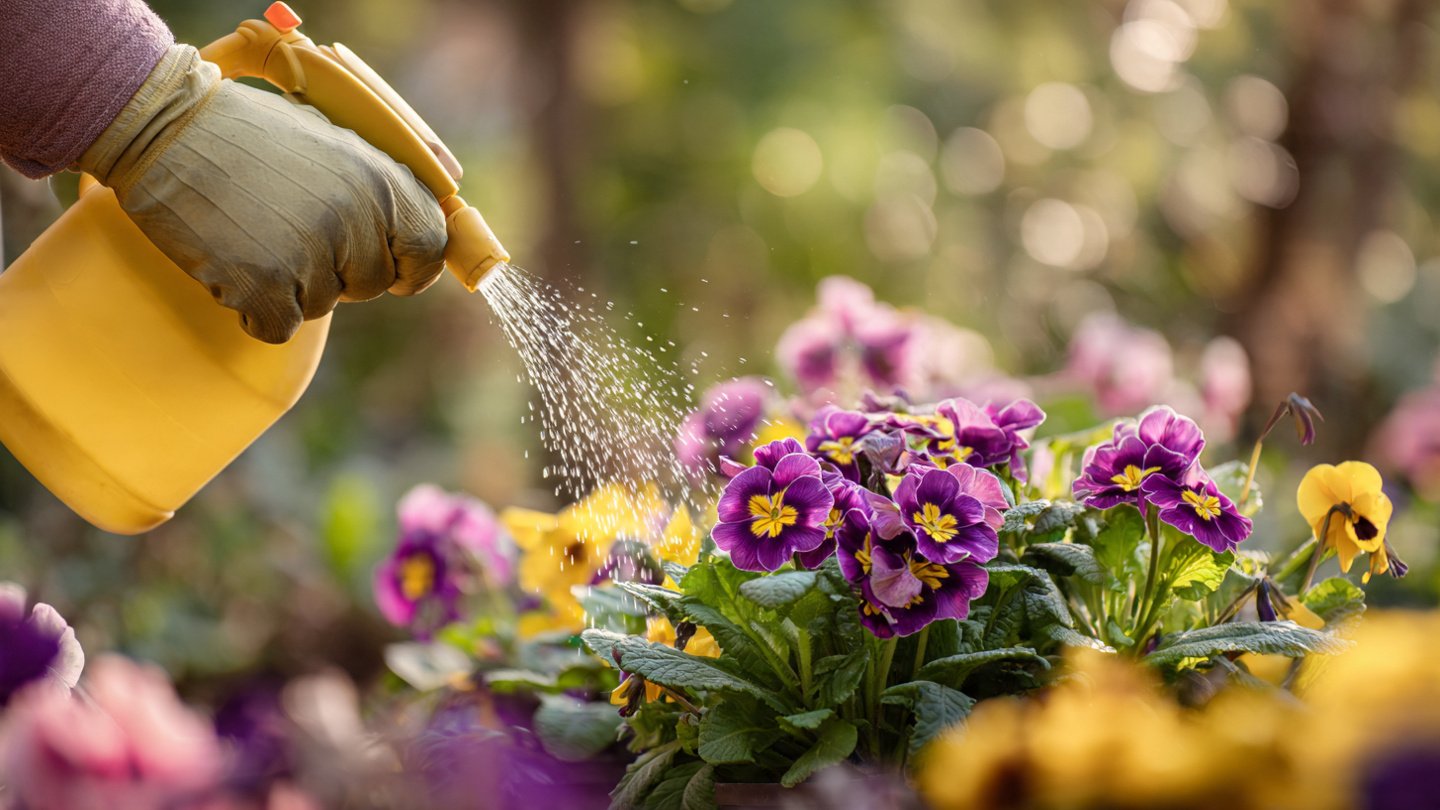
Spring marks the awakening of nature, breathing life back into gardens that have been dormant through the cold months. As budding plants emerge, ensuring they have the right nutrients is crucial for a successful gardening season. Liquid fertilizer has become an integral part of modern gardening, offering numerous benefits that can transform your approach to cultivating your green space. In this article, we will explore the advantages of using liquid fertilizer, discuss how it can enhance your spring gardening experience, and provide practical tips for its application.
The Benefits of Liquid Fertilizer
Liquid fertilizers consist of nutrients dissolved in water, making them readily available for plants to absorb. Here are some of the key benefits:
- Rapid Absorption: Because liquid fertilizers are in a form that plants can quickly uptake, your plants can absorb the nutrients almost immediately. This is particularly beneficial for plants in spring, as they are just beginning to grow and need swift support.
- Versatile Application: Liquid fertilizers can be applied in various ways – through soil drenching, foliar spraying, or even through irrigation systems. This flexibility can accommodate your gardening style and needs.
- Customizable Nutrient Ratios: Many liquid fertilizers allow you to choose specific N-P-K (Nitrogen, Phosphorus, Potassium) ratios, enabling you to tailor your fertilizer to the specific needs of your plants.
- Less Risk of Burn: Unlike granular fertilizers, liquid fertilizers usually have a lower risk of burning plants due to their even distribution and rapid absorption capabilities.
- Enhanced Microbial Activity: Liquid fertilizers often contain beneficial microorganisms that enhance soil health, contributing to better nutrient utilization by plants.
How Liquid Fertilizer Enhances Your Spring Gardening Experience
Using liquid fertilizer can significantly enhance your gardening experience through various mechanisms:
1. Promoting Early Growth
In spring, plants are eager to grow and flourish after a long winter. Liquid fertilizers provide the necessary nutrients right at the beginning of the growth cycle. By promoting early growth, your plants can establish strong roots and develop robust foliage, leading to healthier, more productive plants throughout the season.
2. Improving Flower and Fruit Production
Spring isn’t just about growth; it’s also the time for flowering and fruiting. Liquid fertilizers can boost the production of flowers and fruits by supplying crucial nutrients needed for these processes. Applications high in phosphorus will encourage flowering, while potassium-rich solutions support fruit development and maturation.
3. Enhancing Soil Quality
The benefits of liquid fertilizers extend beyond immediate plant nourishment. By improving soil quality, you can create a more conducive environment for plant growth. Liquid fertilizers can increase the organic matter in the soil, enhance microbial activity, and improve soil structure, making it easier for roots to access water and nutrients.
4. Simplifying Nutrient Management
For many gardeners, managing soil nutrients can be overwhelming. With liquid fertilizers, determining the right amount to apply becomes simpler. Many products come with clear labels and instructions for use, enabling you to feed your plants without the guesswork associated with dry fertilizers.
5. Encouraging Sustainable Practices
Liquid fertilizers can be an eco-friendlier option compared to traditional fertilizers. With precise application directly to the plant or soil, there is a reduced risk of nutrient runoff into local water supplies, promoting better environmental health.
Practical Tips for Using Liquid Fertilizer
To fully harness the transformative power of liquid fertilizers, consider the following practical tips:
- Choose the Right Product: Select a liquid fertilizer suitable for your specific plants. Look for products designed for vegetables, flowers, or lawn care, depending on your gardening goals.
- Follow Application Guidelines: Always read and adhere to the manufacturer’s instructions regarding dilution rates and application frequency. Over-fertilizing can be detrimental to plants.
- Test Your Soil: Conduct a soil test beforehand to determine existing nutrient levels. This will help you choose a fertilizer that supplements what your soil may already have.
- Timing is Key: Apply liquid fertilizers during the early morning or late afternoon to prevent fertilizer burn from the sun’s intensity and to maximize absorption.
- Observe Your Plants: Monitor your plants’ response to the fertilizer application. Look for signs of improvement or any adverse reactions, and adjust your approach as necessary.
Conclusion
Incorporating liquid fertilizers into your spring gardening routine can make a significant difference in the health and productivity of your plants. With their rapid absorption, customizable nutrient delivery, and ability to enhance soil quality, liquid fertilizers provide a powerful tool for gardeners looking to maximize their gardening potential. As the spring season unfolds, consider adopting liquid fertilizers to transform your gardening experience into a more fruitful and enjoyable endeavor.
FAQs
What is liquid fertilizer?
Liquid fertilizer is a concentrated solution of nutrients that can be applied directly to plants or soil. It comes in various formulations, allowing for precise nutrient delivery.
How often should I apply liquid fertilizer?
The frequency of application depends on the type of plants you are growing and the specific fertilizer you are using. Generally, applying every 2-4 weeks during the growing season is recommended.
Can I use liquid fertilizer on all types of plants?
While many plants can benefit from liquid fertilizer, it is essential to choose a formulation suited to the specific plant type. Always check product labels for recommendations.
Is liquid fertilizer better than granular fertilizer?
Liquid fertilizers offer faster nutrient uptake and are often easier to apply. However, granular fertilizers can provide a slow-release effect and may be preferable for long-term feeding. The choice depends on individual gardening needs.
How do I store liquid fertilizer?
Store liquid fertilizers in a cool, dry place, away from direct sunlight. Ensure that the containers are tightly sealed to prevent contamination or evaporation.