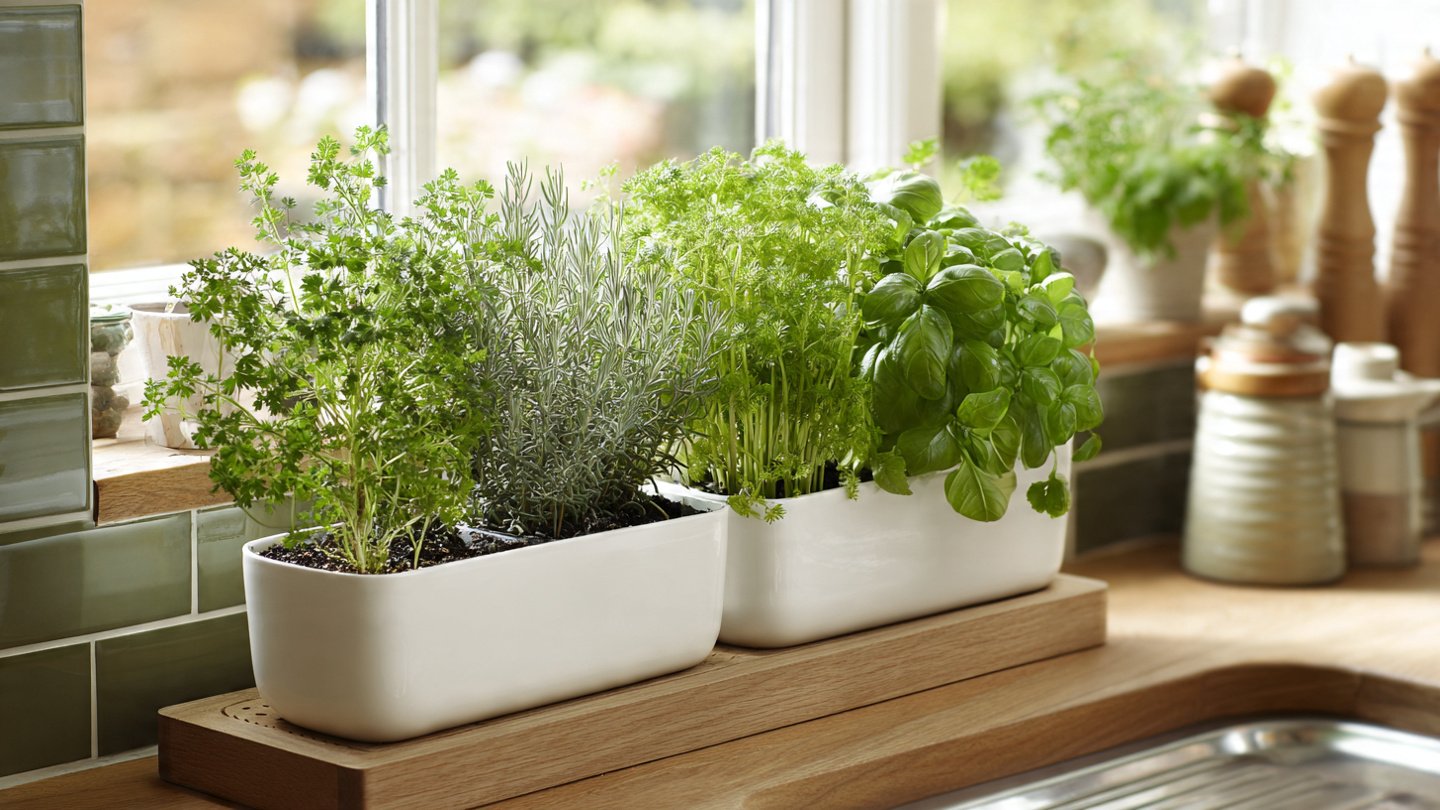
In today’s modern kitchen, the trend of incorporating small herb gardens is not only practical but also aesthetically pleasing. Fresh herbs can enhance your cooking, infusing dishes with flavor and aroma while also offering numerous health benefits. If you’re looking to breathe life into your kitchen space and improve the quality of your meals, a small herb garden is the perfect solution.
Benefits of Having an Herb Garden in Your Kitchen
Before diving into the practical aspects of creating a small herb garden, let’s explore why having one is advantageous for you, your cooking, and your home.
- Freshness: There’s nothing quite like the taste of freshly harvested herbs. They contain more flavor and nutrients compared to dried herbs.
- Convenience: Having herbs at your fingertips encourages you to cook more often and experiment with new recipes.
- Aesthetic Appeal: A small herb garden can effortlessly enhance the visual appeal of your kitchen, adding a touch of greenery and warmth.
- Cost-Efficiency: Growing your herbs reduces the need to buy them from the store, saving you money over time.
- Health Benefits: Many herbs have health-promoting properties, such as anti-inflammatory and antioxidant effects.
Choosing the Right Herbs
When starting your herb garden, it’s crucial to select herbs that you frequently use in your cooking and that thrive well in indoor conditions. Below are some herbs ideal for a small kitchen garden:
- Basil: Perfect for Italian dishes and pesto, basil grows well in warm, sunny spots.
- Parsley: This versatile herb enhances almost any dish and can tolerate lower light conditions.
- Cilantro: Essential in many cuisines, cilantro is relatively easy to grow, appreciating cooler temperatures.
- Mint: Great for beverages and desserts, mint can thrive in pots and is quite resilient.
- Thyme: A low-maintenance herb, thyme is ideal for enhancing meat and vegetable dishes.
Where to Place Your Herb Garden
Choosing the right location for your herb garden is vital for its success. Here are some tips:
- Sunlight: Most herbs require six to eight hours of sunlight daily. A south-facing window is often the best spot.
- Accessibility: Place your herbs near your cooking area to encourage their use while cooking.
- Temperature: Avoid placing herbs near drafts or areas where the temperature fluctuates significantly.
Containers and Soil
The choice of containers plays a significant role in the growth of your herb garden. Here are some considerations:
- Drainage: Ensure your pots have drainage holes to prevent waterlogging, which can harm the roots.
- Size: Select appropriately sized pots for each herb, allowing enough room for growth.
- Material: Clay or ceramic pots work well, but avoid using plastic if you’re concerned about overheating in direct sunlight.
- Soil: Use a well-draining potting mix enriched with organic matter to provide nutrients.
Caring for Your Herb Garden
Once your herbs are planted, regular care is essential to keep them healthy. Here are some tips:
- Watering: Water your herbs when the top inch of the soil feels dry, but avoid overwatering.
- Fertilizing: Feed your herbs with a balanced, organic fertilizer every four to six weeks during the growing season.
- Pruning: Regularly trim your herbs to encourage bushier growth and prevent flowering, which can affect the flavor.
Harvesting and Using Your Herbs
Knowing when and how to harvest your herbs can enhance their flavor and prolong their lifespan. Here’s how:
- Timing: Harvest in the morning when the essential oils are most concentrated.
- Technique: Use sharp scissors or pruning shears to cut the leaves or stems without damaging the plant.
- Usage: Incorporate fresh herbs into your meals for added flavor, or dry some for later use.
Creative Ways to Incorporate Herbs into Your Kitchen Decor
Your herb garden can be more than just a source of fresh ingredients. Here are some creative ideas to integrate herbs into your kitchen décor:
- Hanging Planters: Use wall-mounted racks or hanging pots to save counter space and create an appealing visual display.
- Tiered Shelves: Arrange multiple pots on tiered shelves to elevate their presence in your kitchen.
- Glass Containers: Use clear glass containers or mason jars for an attractive look while allowing you to monitor soil moisture levels.
- Window Boxes: Utilize window sills or ledges with decorative window boxes to showcase your herbs.
Conclusion
Transforming your modern kitchen with a small herb garden is not only achievable but also rewarding. By creating a space filled with greenery, you’ll enjoy the benefits of fresh herbs at your fingertips, enhancing the taste of your meals while beautifying your culinary space. Cultivating this garden requires minimal effort, and the returns—both in flavor and enjoyment—are significant. Embrace this wonderful addition to your home and embark on a flavorful journey!
FAQs
1. Can I grow herbs indoors year-round?
Yes, many herbs can be grown indoors year-round, provided they receive sufficient light and care. Ensure they have a sunny location or use grow lights if natural light is limited.
2. How often should I water my indoor herb garden?
Water your herbs when the top inch of soil feels dry. Typically, this could mean watering every few days, but it depends on the humidity and temperature in your kitchen.
3. What should I do if my herbs start to wilt?
Wilting can be a sign of both underwatering and overwatering. Check the soil moisture; if it’s dry, water your herbs gently. If the soil is overly wet, let it dry out before watering again.
4. Do I need to use special soil for my herb garden?
While you don’t need specialized soil, a well-draining potting mix enriched with organic content is ideal for healthy herb growth.
5. Can I use any pot for my herbs?
While you can use various pots, make sure they have drainage holes to prevent waterlogging, which can damage the roots of your herbs.