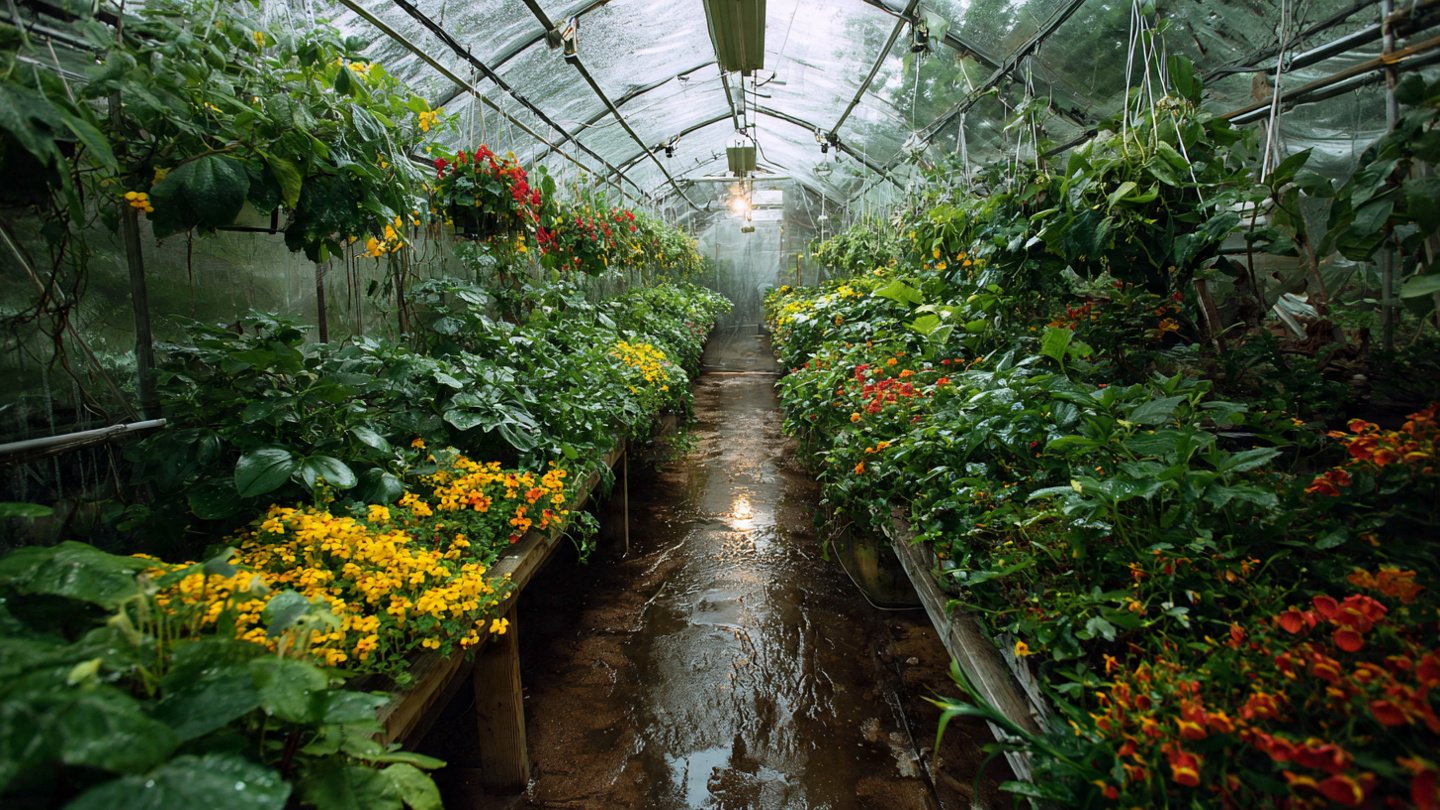
Creating a secluded propagation sanctuary offers gardeners a perfect environment to cultivate and propagate various flower species. This sheltered space can enhance ideal growing conditions, providing controlled elements such as light, moisture, and temperature. However, not all flowers will thrive in such an environment. Selecting the right flowers is crucial for a flourishing sanctuary that can yield abundant blooms and continued propagation efforts.
Understanding Your Propagation Sanctuary
Before diving into the specific flowers that thrive in a secluded propagation sanctuary, it’s essential to understand the characteristics of your space. The following factors dictate which flowers will flourish:
- Light: Assess how much natural light the sanctuary receives throughout the day. Some flowers thrive in direct sunlight while others prefer shade.
- Soil Type: Be mindful of the soil’s pH and texture. Some flowers prefer sandy soil while others flourish in rich, loamy conditions.
- Water Availability: Determine how much water your sanctuary can retain and its drainage capabilities.
- Temperature: Consider the average temperature in your area. Certain flowers require warmer conditions, while others are hardy in cooler climates.
Flowers That Thrive in Secluded Conditions
1. Shade-Loving Flowers
For those areas in your sanctuary that receive limited sunlight, certain shade-loving flowers are ideal:
- Hostas: Known for their lush foliage, hostas thrive in shady areas and are available in various colors and textures. They typically require minimal maintenance and add a wonderful green backdrop to your flowering sanctuary.
- Astilbe: This perennial blooms beautifully in partial to full shade. Its feathery flower plumes add height and colorful blooms, particularly in shades of pink, white, and red.
- Ferns: While not flowering plants in the traditional sense, ferns add great texture and greenery to shaded areas, enhancing the overall aesthetic of your sanctuary.
2. Sun-Loving Flowers
If parts of your sanctuary enjoy full sunlight, consider these sun-loving varieties:
- Sunflowers: These cheerful giants bring a vibrant touch to any propagation sanctuary. They thrive in full sun and are relatively easy to grow from seeds.
- Lavender: Known for its fragrant blooms and medicinal properties, lavender not only thrives in sunny conditions but also attracts pollinators to your sanctuary.
- Marigolds: These annuals are hardy and can tolerate poor soil. Their vibrant colors and ease of propagation make them a favorite among gardeners.
3. Drought-Resistant Flowers
For areas that may experience dry conditions, opt for drought-resistant flowers:
- Sedum: A succulent that thrives in well-drained soil, sedums are famous for their vibrant colors and intricate forms.
- Blanket Flower (Gaillardia): This hardy perennial is not only drought-tolerant but also produces bright, daisy-like blooms that attract butterflies.
- Echinacea (Coneflower): Known for its medicinal properties and pollinator appeal, echinacea is a resilient choice that flourishes even in dry conditions.
4. Hardy Annuals and Perennials
Including hardy options in your sanctuary allows for seasonal continuity. Below are some of the most reliable choices:
- Pansies: These colorful annuals can withstand cooler temperatures and brighten up early spring gardens.
- Perennial Geraniums: Offering a long flowering period, these plants return year after year and thrive in various soil types.
- Bee Balm: This perennial not only attracts bees and butterflies but also provides beautiful, showy blooms in summer.
Creating the Perfect Environment
To ensure that these flowers thrive in your propagation sanctuary, remember to regularly assess and manage the factors that impact their growth:
- Mulching: Apply organic mulch to help retain soil moisture, suppress weeds, and regulate soil temperature.
- Watering: Monitor your plants regularly and water them based on their needs and the season.
- Fertilizing: Use organic fertilizers to provide essential nutrients, especially during the growing season.
Conclusion
Building a secluded propagation sanctuary is a rewarding endeavor that allows gardening enthusiasts to cultivate a diverse range of flowers. By selecting the right plants based on light, soil, and water availability, you’ll create an environment where flowers can thrive and flourish. With proper care and attention, your sanctuary will not only enhance your garden but also provide a serene space for relaxation and beauty.
FAQs
1. What is the best time to propagate flowers in a sanctuary?
The best time to propagate flowers varies by species, but spring and early summer are generally ideal as plants begin to awaken from dormancy.
2. How often should I water my flowers?
Watering frequency depends on the flower species and weather conditions. Generally, water when the top inch of soil feels dry to the touch.
3. Can I grow vegetables in the same sanctuary?
Yes, many flowers and vegetables can coexist in a sanctuary, provided they have compatible growing conditions and space.
4. How do I control pests in my propagation sanctuary?
Introduce beneficial insects like ladybugs or use organic pest control solutions to manage any pest issues without harming your flowers.
5. When should I prune my flowers?
Pruning schedules vary, but most flowers benefit from pruning just after blooming or at the start of the growing season to encourage new growth.