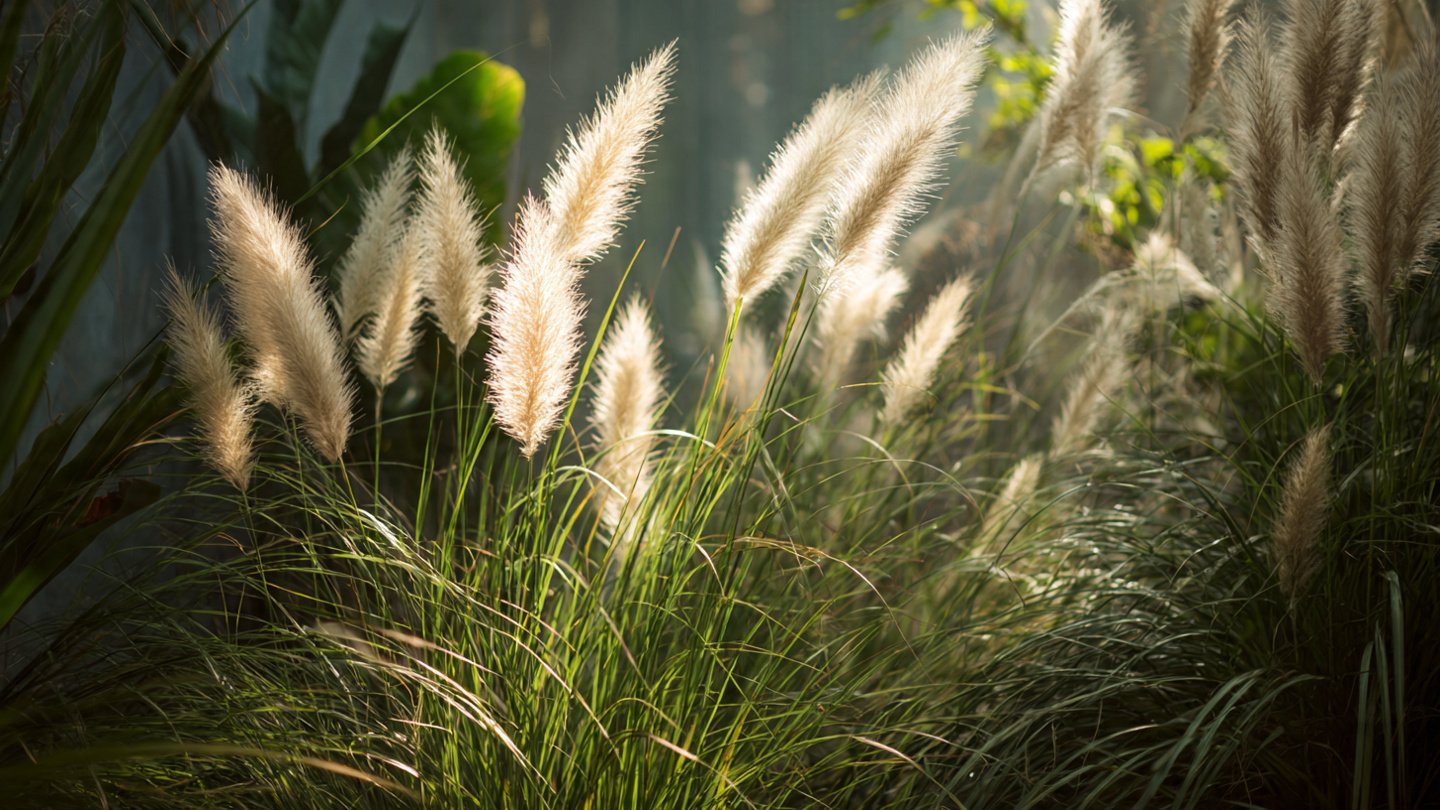
In the world of home staging, creating an inviting atmosphere is essential. Professional stagers are always on the lookout for innovative ways to enhance the visual appeal of spaces, and one of the rising trends is the use of ornamental grasses. These versatile plants not only add beauty but also contribute to a sense of movement and flow in various environments. In this article, we will explore how professional stagers utilize ornamental grasses to create movement in spaces, enhancing the overall aesthetic and emotional impact of a home.
The Aesthetic Appeal of Ornamental Grasses
Ornamental grasses are defined by their slender, arching leaves and delicate flower plumes. These characteristics lend an organic, fluid quality to any setting. Stagers opt for grasses due to their ability to:
- Add Texture: The different heights and textures of ornamental grasses can soften hard lines in a space, creating visual interest.
- Introduce Color: Many ornamental varieties come in unique color palettes, from deep greens to striking purples and golden hues.
- Provide Movement: When lightly touched by a breeze, the grasses sway, creating a sense of life within the setting.
Creating Effective Focal Points
One of the primary roles of a home stager is to direct the viewer’s attention toward focal points within a space. Ornamental grasses can be utilized to accomplish this by:
- Framing Key Areas: Arranging grasses at strategic positions can frame doorways, windows, or architectural features, drawing the eye naturally toward these elements.
- Highlighting Landscapes: When staging outdoor spaces, ornamental grasses can soften the transition from hardscapes to softscapes, offering a seamless blend between home and garden.
Creating Layers and Depth
Another way professional stagers utilize ornamental grasses is by creating layers and depth within a space. This layering can significantly enhance the perception of openness within a room. Here’s how this is achieved:
- Varying Heights: Incorporating grasses of different heights can create a sense of depth. Tall grasses placed behind shorter plants or furniture can add dimension to a space.
- Group Planting: Stagers often group grasses in clusters rather than spreading them out. This technique not only enhances the visual impact but also creates a lush, garden-like feel.
Fluidity in Design
Ornamental grasses embody a sense of movement, crucial for guiding a viewer’s eye throughout the space. Stagers can emphasize this fluidity by:
- Curvilinear Arrangements: Positioning grasses in curving lines instead of linear formations can promote a more organic flow within the design.
- Incorporating Flow: Stagers can also use the grasses to lead the eye from one area of a room to another, thereby enhancing the sense of movement within the space.
Using Ornamental Grasses in Different Settings
Professional stagers recognize that the application of ornamental grasses varies depending on the setting. Here’s how they adapt their use:
Indoor Spaces
In interior designs, ornamental grasses can be used in various ways:
- Centerpieces: Grasses can serve as stunning centerpieces on dining tables, coffee tables, or console tables, adding height and elegance.
- Corner Hides: Tall grasses can be used to hide unsightly corners or furniture, creating a more seamless and inviting appearance.
Outdoor Spaces
In outdoor settings, the versatility of ornamental grasses shines:
- Borders and Edges: Grasses can be used to define pathways or borders, creating a natural boundary that enhances movement.
- Garden Features: Using ornamental grasses around patios or pools can create a vacation-like atmosphere, making the space feel lush and inviting.
Seasonal Considerations
Professional stagers also consider the seasons when planning their designs. Ornamental grasses can adapt beautifully through the year:
- Spring: Newly sprouting grasses can add fresh green vibrancy to a space.
- Summer: Tall grasses, in full bloom, create a lush, mature feel.
- Fall: Many ornamental grasses change color, offering warm hues that complement autumn decor.
- Winter: Even in winter, dried grasses can add texture and interest to a barren landscape.
Maintenance and Sustainability
Ornamental grasses are often chosen for staging because they require minimal upkeep while providing maximum impact. Here are some key considerations:
- Low Water Needs: Many ornamental grasses are drought-resistant, making them an eco-friendly choice.
- Seasonal Pruning: Only minimal maintenance is needed to keep them looking their best throughout the year.
- Longevity: Grasses generally last for multiple seasons, offering great value for stagers.
Conclusion
Ornamental grasses play a significant role in professional staging by providing texture, movement, and a sense of life in both indoor and outdoor spaces. Their versatility, low maintenance, and visual appeal make them an ideal choice for stagers seeking to enhance the aesthetic and emotional impact of homes. By utilizing these plants effectively, stagers can create a harmonious and inviting atmosphere, encouraging potential buyers to envision themselves in the space.
FAQs
1. What types of ornamental grasses are best for staging?
Some popular choices include Pampas Grass, Fountain Grass, and Blue Fescue, as they offer varying heights, textures, and colors, adding depth and interest to designs.
2. Can ornamental grasses be used in both indoor and outdoor settings?
Yes, ornamental grasses are versatile and can be used effectively in both environments, enhancing aesthetics in various ways.
3. How do I care for ornamental grasses used in staging?
Ornamental grasses typically require minimal care. Ensure proper watering and occasional pruning during the growing season for best results.
4. Are ornamental grasses suitable for all climates?
While many ornamental grasses are adaptable, it’s best to choose species suited for your specific climate zone for optimal growth.
5. Do ornamental grasses attract pests?
Generally, ornamental grasses are not prone to pest issues. However, regular maintenance can help mitigate any potential problems.