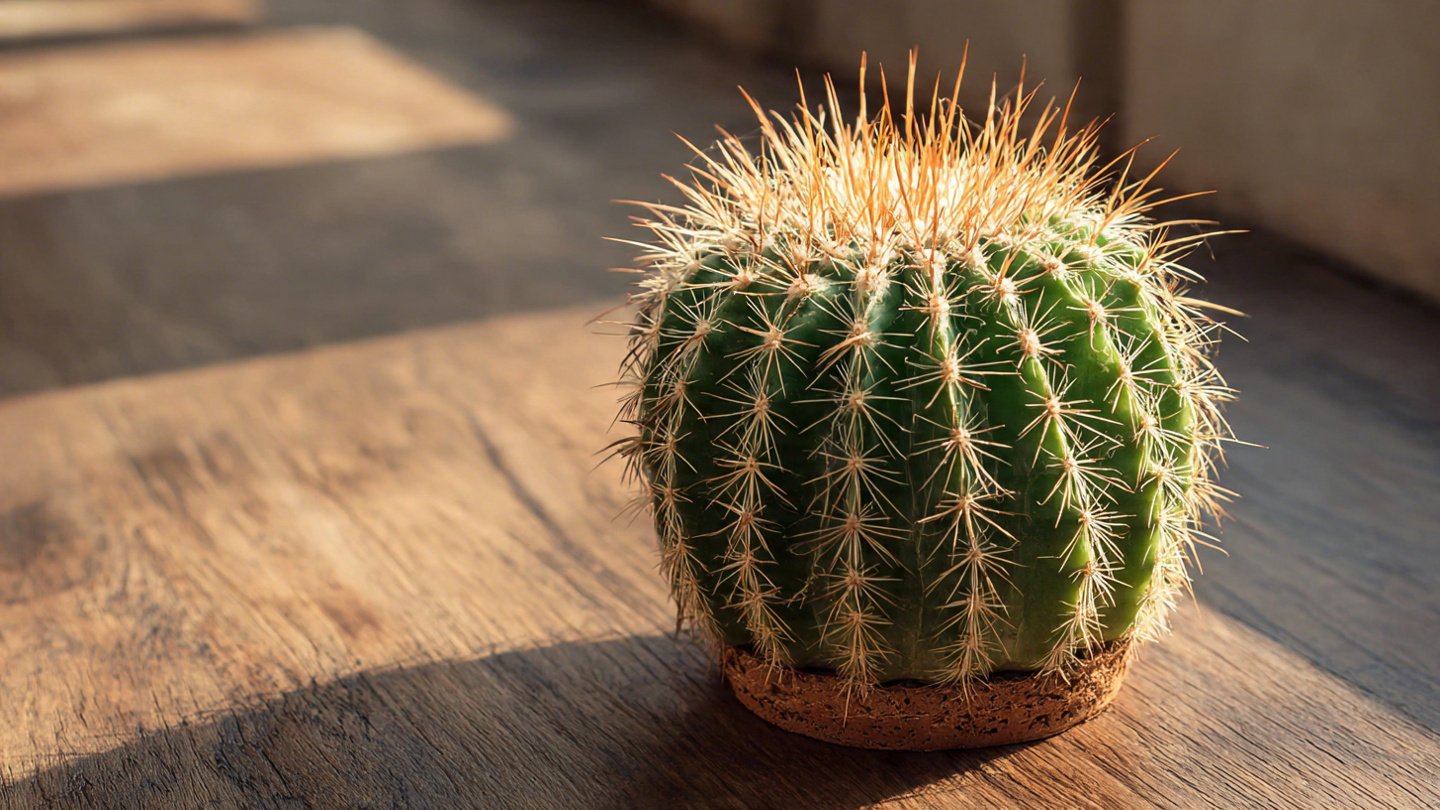
Cacti are popular houseplants, admired for their resilience and stunning appearances. However, even the toughest cactus can succumb to various environmental factors, leading to distress, often seen as shriveling. If you find your cactus looking less than vibrant, don’t panic. Understanding the reasons behind this condition is the first step towards revitalizing your plant.
Understanding Cactus Needs
To comprehend why your cactus may be shriveling, it’s important to understand basic cactus care. Cacti are native to arid regions, requiring specific conditions to thrive:
- Sunlight: Cacti need plenty of bright, direct sunlight to grow healthy. Lack of sunlight can lead to weak growth and shriveling.
- Water: These plants have adapted to surviving in low moisture, so overwatering or underwatering can lead to issues.
- Soil: Well-draining soil is crucial to prevent root rot.
- Temperature: Cacti prefer warm temperatures and can be susceptible to cold drafts.
Common Reasons Behind Shriveled Cacti
1. Underwatering
One of the most common causes of a shriveled cactus is underwatering. Since cacti store water in their stems, they can survive long periods without water. However, prolonged neglect will lead to dehydration. Signs include soft, wrinkled skin and a noticeable reduction in size. The plant may also appear lifeless.
2. Overwatering
Ironically, many beginners think that cacti need frequent watering. Overwatering is one of the top mistakes made in cactus care. This can cause root rot, which appears similar to underwatering: the cactus may become mushy, and you may notice discoloration. Excess moisture leads to a breakdown of the plant tissue.
3. Inadequate Light
Cacti thrive in bright sunlight. When they do not receive enough light, they may stretch out and become weak, often resulting in a shriveled appearance. Relocating your cactus to a sunnier spot can remedy this issue.
4. Temperature Stress
Temperature fluctuations can affect your cactus. Cacti usually prefer stable, warm conditions. If exposed to drafts or extreme temperatures, they may dehydrate and shrivel. Look for any nearby heating vents, air conditioners, or cold windows that might be affecting your plant.
5. Pests and Diseases
While cacti are generally pest-resistant, they can fall prey to certain insects like spider mites or mealybugs. These pests can suck the moisture from the cactus, leading to shriveling. In addition, fungal infections can affect the health of your cactus. Look for signs of insect activity or unusual marks on the cactus surface.
How to Revive a Shriveled Cactus
1. Assess Water Needs
First and foremost, check the moisture level of the soil. Stick your finger into the soil about two inches down. If it feels dry, it’s time to water. Use room-temperature water and ensure that it drains well. Allow the water to run through the drainage holes at the bottom of the pot.
2. Adjust Your Watering Routine
If you suspect overwatering is the issue, refrain from watering until the soil feels dry. Additionally, reduce the frequency of watering in the future, typically to every 2-4 weeks, depending on the season and humidity level.
3. Provide Adequate Light
Relocate your cactus to a spot where it can receive bright, direct sunlight for at least 6 hours a day. South-facing windows are usually ideal for cacti. If moving the plant outdoors, gradually acclimate it to prevent sunburn.
4. Ensure Proper Temperature
If temperature is a concern, keep your cactus in a stable environment. Avoid areas prone to drafts or extreme temperature changes. Ideal day temperatures are between 70°F and 100°F, with a drop at night being acceptable.
5. Inspect for Pests
Check your cactus for any signs of pest infestation or fungal disease. Use a cotton swab dipped in rubbing alcohol to treat mealybugs or spider mites. If necessary, you can also use insecticidal soap but be sure to test it on a small area first.
Conclusion
A shriveled cactus is a call for attention, highlighting that the plant is experiencing stress for one reason or another. It’s essential to thoroughly assess your plant’s needs and environmental conditions. By identifying whether your cactus is suffering from overwatering, underwatering, insufficient light, environmental stress, or pest issues, you can take suitable action to revive it. Remember that patience is key; with the right adjustments, your cactus can return to its vibrant state!
FAQs
1. How long will it take for my cactus to recover from being shriveled?
Recovery time depends on the severity of the condition and the specific species of cactus. Generally, if the plant is healthy and conditions are corrected, you should start to see improvement within a few weeks.
2. Can I cut off the shriveled parts of the cactus?
If the areas are severely shriveled and dead, you can trim them off using sterilized scissors. However, if the cactus is still alive, leave it be to allow for potential recovery.
3. Do all cacti need the same care?
No, different types of cacti have varying requirements. It’s important to research the specific type of cactus you own to understand its particular needs regarding water, light, and temperature.
4. How can I tell if I am overwatering my cactus?
Signs of overwatering include mushy stems, yellowing, and browning spots. Pay attention to the soil’s moisture level before the next watering to prevent this issue.
5. Will my cactus grow back after being shriveled?
Yes, many cacti are resilient and can bounce back if cared for properly. Monitor conditions and be patient, as recovery may take time.