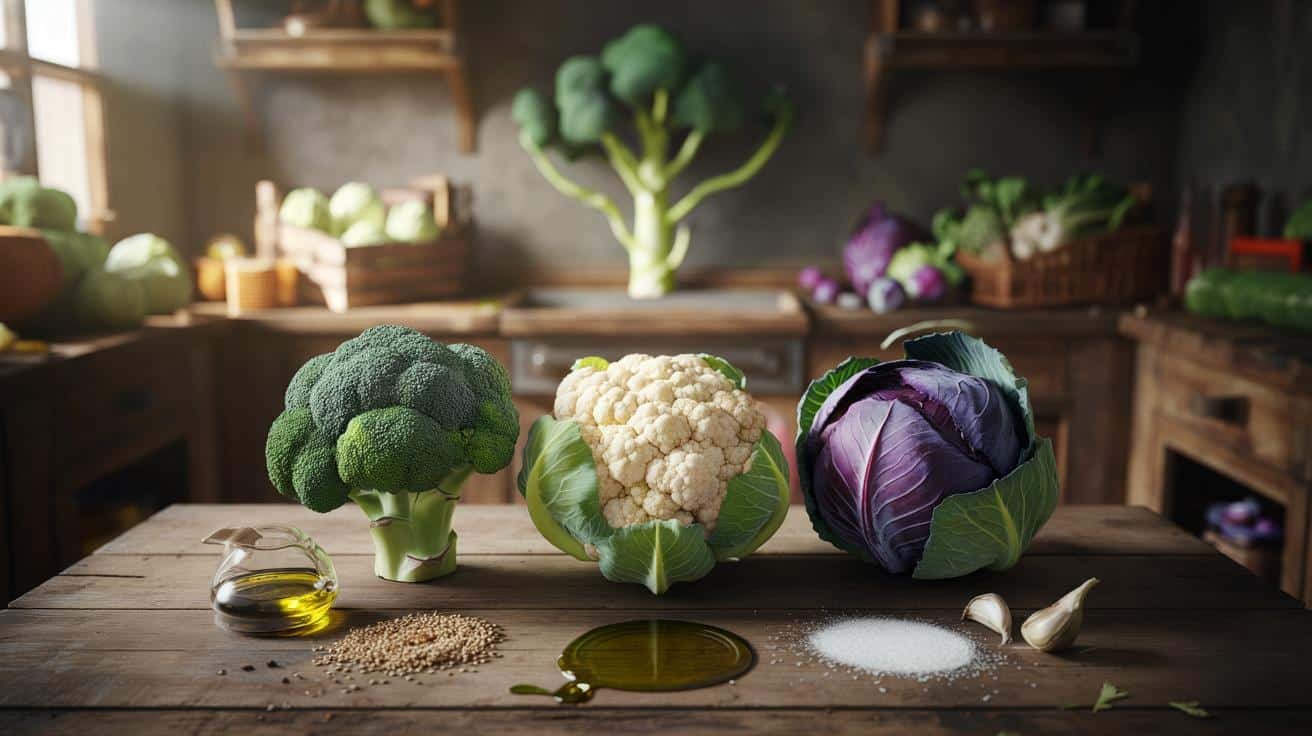
When you stroll through the produce aisle, it’s easy to think of cauliflower, broccoli, and cabbage as completely different vegetables. After all, they look, taste, and cook differently. But the truth is fascinating: these three familiar vegetables are all different varieties of the same species, Brassica oleracea.
This revelation not only highlights the incredible diversity of plant breeding but also sheds light on how humans have shaped vegetables over thousands of years to meet our culinary needs. Let’s dive deeper into this botanical wonder, exploring how cauliflower, broccoli, and cabbage are related, their unique traits, and why this knowledge matters for gardeners and food lovers alike.
The Origins of Brassica oleracea
Brassica oleracea is native to coastal southern Europe, particularly along the Mediterranean. The wild plant, often called wild cabbage, has loose, leafy rosettes and grows along rocky cliffs. It was originally harvested for its nutrient-rich leaves, which were a reliable food source for early humans.
Over centuries, humans selectively bred the plant for different traits, giving rise to the vegetables we recognize today:
- Cabbage: Selected for tightly packed leaves
- Broccoli: Selected for large flowering heads
- Cauliflower: Selected for dense, white flower clusters
Despite their differences, genetically they remain the same species — which is why they can sometimes cross-pollinate under the right conditions.
How Selective Breeding Created These Varieties
Selective breeding is a process where humans choose plants with desirable traits to propagate, gradually enhancing specific features. Here’s how it shaped these vegetables:
- Cabbage (Leafy Variety)
- Early farmers focused on producing thick, overlapping leaves.
- Dense heads made storage easier and allowed longer preservation.
- Cabbage is now one of the most widely grown leafy vegetables worldwide.
- Broccoli (Flowering Stem Variety)
- Ancient gardeners noticed that the plant’s flowering buds were nutritious and tender.
- By selecting for larger, tighter flower clusters, broccoli emerged.
- The edible part is actually immature flower buds, harvested before they bloom.
- Cauliflower (Compact Flower Head Variety)
- Similar to broccoli, cauliflower arose by selecting for densely packed, white inflorescences.
- It requires more precise growing conditions and careful attention to sunlight to maintain its signature white color (called “blanching”).
Other varieties of Brassica oleracea include kale (leaves), kohlrabi (stem), Brussels sprouts (axillary buds), and collard greens (leaves) — all created through human selection from the same species. It’s amazing to think that all these vegetables share a common genetic ancestor.
The Botanical Connection Between Cauliflower, Broccoli, and Cabbage
While they may look distinct, cauliflower, broccoli, and cabbage share:
- Similar genetic makeup: They can crossbreed under certain circumstances.
- Leaf structure: The arrangement of leaves around the central head is similar.
- Growth cycle: All are biennial plants, typically grown as annuals.
- Nutritional profile: High in vitamins C, K, fiber, and antioxidants.
Understanding this relationship helps gardeners and plant breeders predict growth habits, disease susceptibility, and care requirements.
Nutritional Benefits
Though each vegetable has a slightly different flavor and texture, they all offer impressive nutrition:
- Cabbage: Rich in vitamin C, fiber, and glucosinolates (plant compounds linked to cancer prevention).
- Broccoli: Packed with vitamins C, K, and A, as well as antioxidants like sulforaphane.
- Cauliflower: High in vitamin C, folate, and phytonutrients; versatile in cooking.
The similarities in nutrients make sense because they’re variations of the same plant — the differences in texture and taste are due to the parts humans chose to enhance over generations.
Gardening Insights
Knowing that these vegetables are the same species can help gardeners in several ways:
- Crop rotation: Since they’re genetically similar, avoid planting cabbage, broccoli, or cauliflower in the same soil year after year. Otherwise, pests like cabbage worms and diseases such as clubroot may build up.
- Companion planting: Rotate with unrelated crops to maintain soil health.
- Seed saving: While cross-pollination is possible, maintaining distinct varieties requires controlled pollination to prevent hybrid seeds.
- Soil and water needs: All three prefer cool weather, fertile soil, and consistent moisture. Understanding this helps you grow them successfully in similar climates.
Culinary Uses and Differences
Despite their botanical similarity, each vegetable has unique culinary applications:
- Cabbage: Best raw in salads and slaws, fermented as sauerkraut or kimchi, or cooked in soups and stir-fries.
- Broccoli: Steamed, roasted, sautéed, or used in casseroles and pasta dishes. The florets are the main edible part.
- Cauliflower: Extremely versatile — roasted, mashed, riced, or even used as a low-carb pizza crust. The tight, white curd is the primary edible portion.
Knowing they share a common origin can inspire creative culinary experimentation, like combining parts of these vegetables in new recipes or growing unusual hybrids.
Fun Fact: Crossbreeding Potential
Because they belong to the same species, broccoli, cauliflower, and cabbage can technically be crossbred. Plant breeders have experimented with hybrid varieties to create broccoflower, a cauliflower-broccoli cross, which has greenish-white heads.
This demonstrates the flexibility of Brassica oleracea and shows how centuries of selective breeding have produced a wide variety of forms from a single plant species.
Why This Matters
Understanding that cauliflower, broccoli, and cabbage are genetically related isn’t just trivia:
- It helps gardeners optimize planting schedules and pest management.
- It allows chefs to experiment with textures and flavors interchangeably.
- It highlights the power of selective breeding in shaping the foods we eat today.
Next time you prepare a stir-fry, roast a cauliflower head, or slice raw cabbage for a salad, remember: you’re enjoying different expressions of the same remarkable plant.
Final Thoughts
Cauliflower, broccoli, and cabbage remind us of how humans have shaped nature through careful selection. What started as a wild, leafy plant along the coasts of Europe has become a diverse array of vegetables that nourish millions worldwide.
These vegetables share roots in Brassica oleracea, but centuries of cultivation have transformed them into distinct, nutritious, and delicious foods. Whether you’re a gardener, a chef, or a curious foodie, recognizing this connection adds depth to your appreciation of these common yet extraordinary plants.
The next time you pick up a cauliflower, broccoli, or cabbage, remember: you’re holding different faces of the same botanical family — a testament to nature’s versatility and human ingenuity