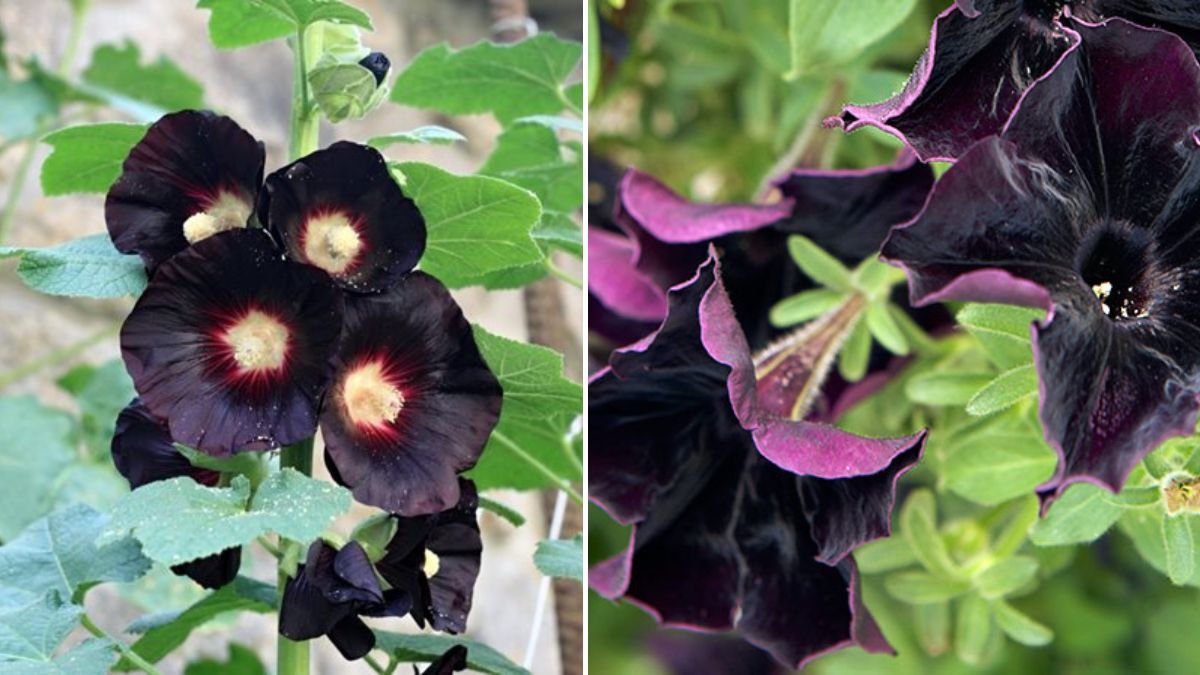
If you want to make a bold, dramatic statement in your garden, black flowers and dark foliage plants are an excellent choice. These mysterious and elegant plants can add contrast, depth, and sophistication, turning an ordinary garden into a striking outdoor space. Despite their unusual color, black plants are surprisingly versatile and pair beautifully with bright blooms, greenery, and even ornamental grasses.
This guide explores 24 black flowers and plants that can elevate your garden, along with tips for planting, care, and design ideas to create a truly unforgettable landscape.
Why Black Flowers and Plants Work in the Garden
Black flowers and foliage create visual drama in ways that typical green or pastel plants cannot:
- Contrast: Dark blooms make lighter-colored flowers pop.
- Elegance: Black adds a sense of sophistication and mystery.
- Focal Points: Black plants draw the eye and anchor garden beds.
- Complementary Colors: They pair beautifully with silver, white, red, or green foliage.
- Seasonal Versatility: Many black plants retain color across seasons, offering year-round interest.
Incorporating black plants is not just a trend—it’s a timeless design choice for gardeners looking to create depth and texture.
Black Flower Options
- Black Tulip (Tulipa ‘Queen of Night’):
- Deep, dark purple petals that appear nearly black.
- Blooms in spring and pairs well with lighter tulips.
- Bat Flower (Tacca chantrieri):
- Exotic flower resembling a bat in flight.
- Thrives in partial shade with high humidity.
- Black Hollyhock (Alcea rosea ‘Nigra’):
- Tall spires with velvety dark flowers.
- Excellent for back-of-border planting.
- Black Petunia (Petunia ‘Black Velvet’):
- Classic bedding plant with rich, dark blooms.
- Requires full sun and regular watering.
- Black Calla Lily (Zantedeschia ‘Black Star’):
- Sleek, trumpet-shaped blooms.
- Great for containers or water-adjacent planting.
- Chocolate Cosmos (Cosmos atrosanguineus):
- Deep reddish-black flowers with a chocolate fragrance.
- Prefers full sun and well-draining soil.
- Black Pansy (Viola wittrockiana ‘Black Devil’):
- Compact, hardy flowers with velvety petals.
- Ideal for cool-weather planting and borders.
- Queen Fritillary (Fritillaria imperialis ‘Black Prince’):
- Unique bell-shaped flowers in dark maroon-black.
- Blooms in late spring, adding architectural interest.
- Black Dahlia (Dahlia ‘Black Jack’):
- Dramatic, spiky petals in deep purples and reds.
- Prefers sunny locations and well-drained soil.
- Black Iris (Iris germanica ‘Before the Storm’):
- Tall, regal iris with near-black blooms.
- Adds height and elegance to garden beds.
Plants with Dark Foliage
Dark-leaved plants provide contrast and structure, even when flowers aren’t in bloom:
- Black Mondo Grass (Ophiopogon planiscapus ‘Nigrescens’):
- Low-growing, almost black foliage.
- Excellent for borders, edging, or containers.
- Heuchera ‘Obsidian’:
- Deep burgundy-black foliage with a glossy finish.
- Thrives in partial shade and adds texture.
- Coleus ‘Black Dragon’:
- Ornamental leaves with deep, velvety black tones.
- Works well in containers or mixed borders.
- Black Pearl Pepper (Capsicum annuum ‘Black Pearl’):
- Black foliage and edible peppers.
- Adds color and interest through foliage and fruit.
- Black-Eyed Susan Vine (Thunbergia alata ‘Black Velvet’):
- Dark foliage with contrasting yellow flowers.
- Ideal for trellises and climbing structures.
Black Grasses and Accents
Grasses and structural plants in black or deep tones enhance contrast and movement:
- Black Fountain Grass (Pennisetum setaceum ‘Rubrum’):
- Dark foliage with feathery plumes.
- Adds height and texture to borders.
- Purple Fountain Grass (Pennisetum setaceum ‘Purpureum’):
- Deep purple leaves and flower plumes.
- Creates striking contrast with lighter plants.
- Black Bamboo (Phyllostachys nigra):
- Architectural black stems.
- Provides vertical interest and a backdrop for colorful blooms.
- Dark-leaved Hosta (Hosta ‘Night Before Christmas’):
- Dark green, almost black foliage.
- Thrives in shade and pairs well with lighter perennials.
- Ophiopogon planiscapus ‘Nigrescens’ (Black Mondo Grass):
- Dense, grassy foliage, ideal for borders or mass planting.
- Complements flowering plants with dark accents.
Design Tips for Using Black Plants
- Create Contrast: Place black flowers near light-colored blooms to make both colors stand out.
- Layer Heights: Mix tall black flowers with mid-height and ground-cover plants for depth.
- Pair With Silver or White Foliage: Plants like dusty miller or lamb’s ear make black flowers pop.
- Container Gardens: Black plants look striking in light-colored or metallic containers.
- Seasonal Highlights: Combine black annuals with seasonal blooms for year-round visual interest.
- Accent Pathways or Borders: Black plants can define edges and add drama to pathways.
Care Tips for Black Flowers and Plants
While dark-colored plants are visually stunning, many have specific care needs:
- Sunlight: Check species requirements—some thrive in full sun, others in partial shade.
- Soil: Well-draining soil is essential for most black flowers to prevent root rot.
- Watering: Avoid overwatering; black plants often show water stress as leaf fading or wilting.
- Fertilization: Feed flowering plants with a balanced fertilizer to encourage blooms.
- Pruning: Deadhead spent flowers and trim foliage to maintain shape and encourage new growth.
With proper care, black plants can thrive just like any other garden variety, adding longevity and sophistication to your design.
Combining Black Plants With Other Colors
The beauty of black flowers and plants is how well they complement other colors:
- Pair with bright reds and oranges for a fiery, dramatic look.
- Use alongside soft whites, creams, or pastels for a striking, elegant contrast.
- Combine with green and silver foliage to emphasize shape and texture.
- Group multiple black plants together for a gothic, modern, or contemporary feel.
Experimenting with different combinations allows you to create a garden that is uniquely yours, full of drama, depth, and visual intrigue.
Why Black Plants Transform a Garden
Black plants are more than a novelty—they provide:
- Visual Depth: Dark tones make lighter colors pop.
- Sophistication: Black flowers convey elegance and refinement.
- Versatility: Works in modern, traditional, and themed gardens.
- Wildlife Attraction: Many dark flowers are rich in nectar and attract pollinators like bees and butterflies.
Whether planted as focal points, borders, or accent features, black plants elevate the aesthetic and impact of any garden.
Conclusion
Transforming your garden with black flowers and plants is a creative way to add contrast, drama, and elegance. From bold tulips and dahlias to dark foliage like black mondo grass and heuchera, these plants provide year-round interest and make a striking statement.
By carefully choosing your species, providing proper care, and designing with contrast in mind, you can turn an ordinary flower garden into a captivating, visually stunning outdoor space. Whether you’re aiming for a sophisticated monochromatic look or a dramatic accent among bright blooms, black plants are a must-have for gardeners seeking bold design.