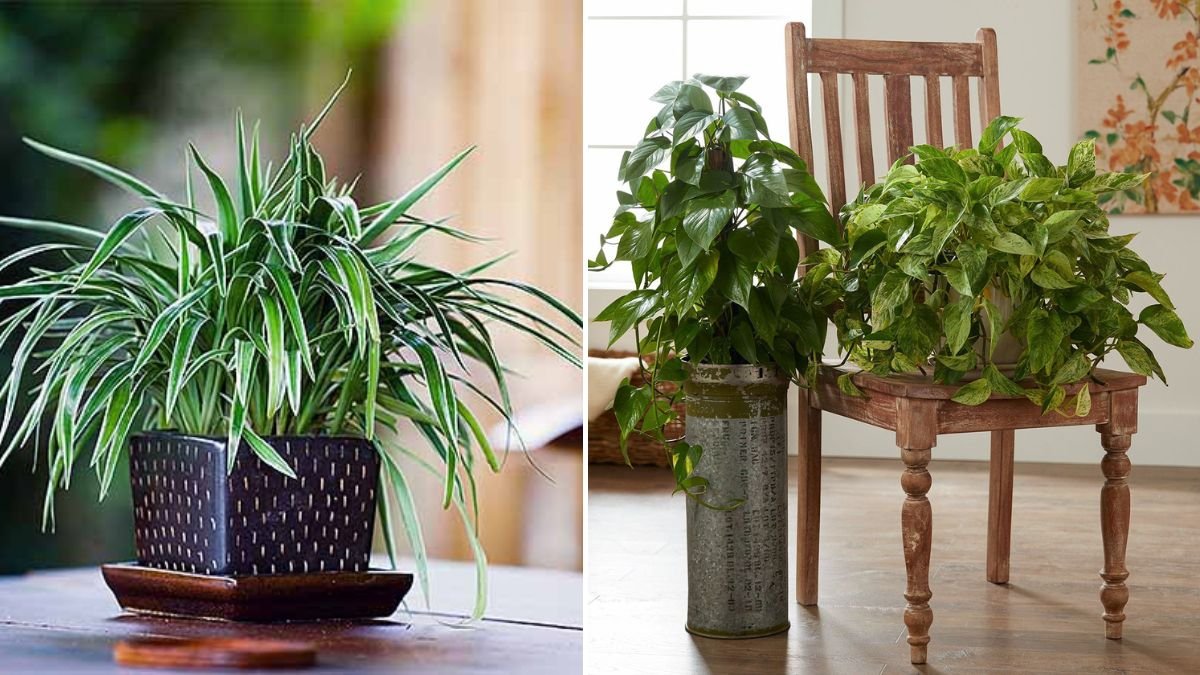
Bright, sunny windows can be a dream for some houseplants, but not all greenery loves intense light. Certain indoor plants, especially those adapted to forest understories or shaded environments, can struggle when exposed to direct sun. Leaves may yellow, scorch, or dry out, and growth can become stunted if light levels are too strong.
If you want your indoor plants to thrive without stress, it’s essential to know which varieties prefer indirect or filtered light. This guide explores 7 houseplants that struggle in direct sunlight, why they’re sensitive, and tips for keeping them healthy in your home.
Why Some Houseplants Struggle in Direct Sunlight
Not all plants are built for bright, direct light. Many houseplants naturally come from tropical forests or shaded understories, where they receive filtered sunlight through the canopy. When placed in intense, direct light:
- Leaves scorch or brown: Sunburned leaves may develop crispy edges or spots.
- Growth slows: Plants can divert energy to survival instead of producing new leaves or flowers.
- Leaf drop occurs: Sudden exposure to strong light can stress the plant, leading to shedding.
- Color fades: Variegated or colorful leaves may bleach or lose vibrancy.
Understanding the light requirements of each plant ensures your indoor greenery flourishes rather than struggles.
1. Calathea (Prayer Plant)
- Why it struggles in direct light: Calatheas are tropical plants that thrive in low to medium indirect light. Intense sunlight can scorch their patterned leaves and fade their vivid colors.
- Signs of stress: Curling leaves, brown tips, and bleaching of patterns.
- Care tips: Place near an east-facing window or use sheer curtains to filter sunlight. Keep soil evenly moist but avoid waterlogging.
2. Ferns (Boston Fern, Maidenhair Fern)
- Why they struggle in direct light: Ferns naturally grow in humid, shaded environments. Harsh sunlight dries out their fronds quickly.
- Signs of stress: Brown, crispy leaves and slowed growth.
- Care tips: Provide indirect light or dappled sunlight. Maintain high humidity through misting or a pebble tray. Keep soil consistently moist.
3. Caladium
- Why it struggles in direct light: Caladiums are known for their bright, heart-shaped leaves, but these are delicate and prone to sunburn.
- Signs of stress: Browning edges, wilting, or faded leaf colors.
- Care tips: Place in filtered light or bright shade. Water regularly and avoid letting the soil dry out completely.
4. Peace Lily (Spathiphyllum)
- Why it struggles in direct light: Peace lilies prefer low to medium indirect light. Intense sun can burn leaves and reduce flowering.
- Signs of stress: Yellowing leaves, scorched tips, and drooping.
- Care tips: Position a few feet away from a bright window or use sheer curtains. Keep soil lightly moist and provide occasional fertilization during growth periods.
5. Snake Plant (Sansevieria)
- Why it struggles in direct sunlight: While snake plants tolerate a range of conditions, prolonged exposure to strong sun can bleach their leaves and cause leaf tips to dry.
- Signs of stress: Faded leaf color and crispy edges.
- Care tips: Bright, indirect light is ideal. They tolerate lower light levels, making them versatile for interior spaces. Water sparingly to avoid root rot.
6. Alocasia (Elephant Ear Plant)
- Why it struggles in direct light: Alocasias have large, thin leaves that are prone to sunburn. They naturally grow in shaded tropical forests.
- Signs of stress: Brown or scorched leaf edges, curling, and slowed growth.
- Care tips: Filtered light or bright shade works best. Keep soil moist but well-draining. High humidity supports healthy foliage.
7. Pothos (Epipremnum aureum)
- Why it struggles in direct light: Pothos is highly adaptable but prefers medium, indirect light. Direct sun can bleach variegated leaves and stunt growth.
- Signs of stress: Yellowing, browning edges, or faded leaf patterns.
- Care tips: Place in filtered sunlight or moderate indoor light. Allow soil to dry slightly between watering to prevent root rot.
Tips for Protecting Houseplants from Direct Sunlight
Even sun-sensitive plants can thrive indoors if you manage light exposure:
- Use Sheer Curtains: Filter harsh sunlight without blocking natural light completely.
- Rotate Plants Regularly: Ensure even light distribution and prevent one side from burning.
- Choose the Right Window: East-facing windows offer gentle morning light, while south- or west-facing windows may require shading.
- Move Plants Away from Windows During Peak Sun: Direct afternoon sunlight can be particularly damaging.
- Monitor Signs of Stress: Adjust placement if leaves show browning, curling, or fading.
- Supplement with Artificial Light: Low-intensity LED or fluorescent lights can help sun-sensitive plants thrive indoors.
Design Ideas for Low-Light Houseplants
Even without direct sun, you can create lush indoor spaces using shade-loving plants:
- Grouping Plants: Cluster sun-sensitive plants near filtered light sources to create a tropical indoor vibe.
- Tiered Display: Use plant stands to layer plants and ensure each gets indirect light.
- Mixed Containers: Pair sun-sensitive plants like calathea with tougher varieties like ZZ plants for visual interest.
- Hanging Planters: Use hanging baskets to add greenery without exposing delicate plants to harsh sunlight.
- Windowsill Buffers: Place taller, hardier plants like snake plants near windows to shield delicate plants from direct rays.
Conclusion
Not all indoor plants thrive in bright, direct sunlight. Sun-sensitive varieties like calathea, ferns, peace lilies, alocasia, and pothos require filtered or indirect light to flourish. By understanding their needs, adjusting placement, and providing proper care, these plants can thrive indoors while adding vibrant greenery to your space.
A home filled with thriving low-light plants is not only beautiful but also healthy and refreshing, providing a calming environment for relaxation and productivity. With careful attention to light, watering, and humidity, even the most sun-sensitive plants can transform your space into a lush, thriving indoor garden.