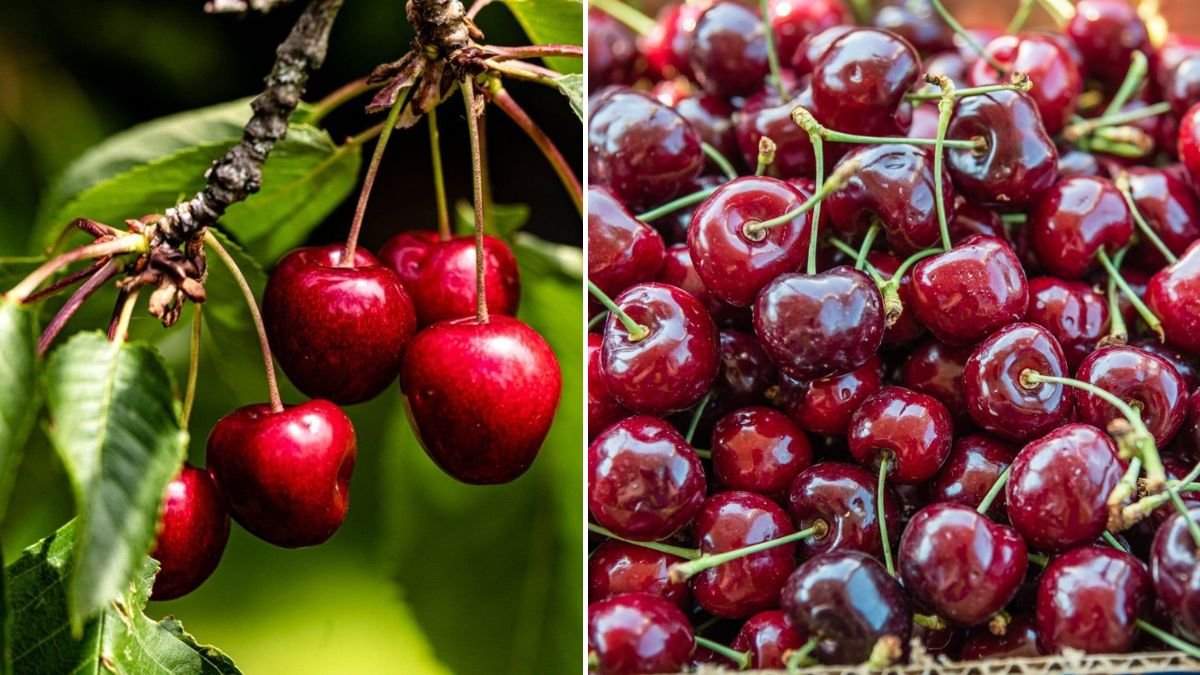
Cherries are one of the most rewarding fruits to grow in your garden. Their sweet, juicy flavor and vibrant color make them a favorite for fresh eating, baking, and preserving. However, growing cherries successfully requires careful attention to variety selection, pruning, soil health, and pollination. With the right techniques, you can enjoy abundant harvests of large, flavorful cherries right from your backyard.
This guide covers 10 essential gardening tips that will help you grow big, juicy cherries, improve fruit quality, and maintain healthy trees season after season.
1. Choose the Right Cherry Variety
Selecting the right variety is critical for fruit size and taste.
- Sweet vs. Sour: Sweet cherries (like Bing or Rainier) are great for fresh eating, while sour cherries (Montmorency, Morello) are better for baking.
- Self-Fertile vs. Cross-Pollinated: Some sweet varieties require a second tree for pollination. Sour cherries are generally self-fertile.
- Climate Considerations: Choose varieties suited to your USDA hardiness zone to ensure strong growth and fruit set.
By picking the right variety, you give your tree the best chance to produce large, juicy cherries.
2. Plant in Optimal Soil
Cherries prefer well-draining, fertile soil.
- pH Level: Ideal soil pH is between 6.0 and 7.0.
- Drainage: Avoid low spots or clay-heavy soil that retains water, as cherries are prone to root rot.
- Preparation: Before planting, enrich the soil with compost or aged manure to provide essential nutrients.
Healthy soil supports strong roots and robust fruit production.
3. Ensure Proper Sunlight Exposure
Cherries need full sun for at least 6–8 hours per day.
- Why Sunlight Matters: Adequate sun boosts photosynthesis, encourages flowering, and improves fruit sweetness.
- Location Tips: Plant cherries where they won’t be shaded by taller trees or buildings.
Proper sunlight ensures your cherries develop rich flavor and optimal size.
4. Provide Adequate Spacing
Cherry trees require space to spread and access sunlight.
- Spacing Guidelines: Standard trees should be planted 25–30 feet apart; dwarf varieties can be 10–15 feet apart.
- Air Circulation: Adequate spacing reduces disease risk and ensures even ripening of fruits.
Well-spaced trees are healthier and produce larger, more consistent cherries.
5. Prune Regularly
Pruning is key to stimulating growth and increasing fruit size.
- Young Trees: Focus on establishing a strong framework of branches.
- Mature Trees: Remove dead, damaged, or crossing branches each year.
- Open Canopy: Encourage airflow and sunlight penetration to promote bigger fruit.
Proper pruning directs energy to fruit production rather than excess foliage.
6. Water Consistently
Cherries need deep, regular watering, especially during fruit development.
- Critical Times: Watering during dry spells in late spring and early summer is essential for large, juicy fruits.
- Avoid Overwatering: Keep soil moist but not waterlogged to prevent root rot.
- Mulching: Apply a 2–4 inch layer of organic mulch to conserve moisture and regulate soil temperature.
Consistent hydration ensures cherries develop plump, flavorful fruit.
7. Fertilize Strategically
Nutrient management is crucial for growth and fruit quality.
- Early Season: Use a balanced fertilizer to support flowering and leaf growth.
- Fruit Development: Switch to a fertilizer higher in potassium to promote bigger, sweeter cherries.
- Avoid Excess Nitrogen: Too much nitrogen encourages foliage over fruit.
Proper fertilization supports robust trees and high-quality fruit production.
8. Control Pests and Diseases
Cherries are susceptible to pests like aphids, cherry fruit flies, and birds, and diseases like brown rot and leaf spot.
- Integrated Pest Management (IPM): Monitor trees, encourage beneficial insects, and remove diseased material promptly.
- Bird Protection: Use netting to prevent birds from eating the fruit before harvest.
- Fungicide Use: Apply fungicides when necessary, following guidelines for edible crops.
Effective pest and disease control ensures healthy trees and unblemished cherries.
9. Ensure Proper Pollination
Pollination is critical for fruit set and size.
- Cross-Pollination: Sweet cherry varieties often need a compatible neighbor for pollination.
- Attract Pollinators: Bees and other pollinators are essential for transferring pollen between blossoms. Plant flowers nearby to encourage their presence.
- Hand Pollination: In low-pollinator areas, gently transfer pollen with a soft brush to increase fruit set.
Good pollination results in more cherries and bigger, juicier fruit.
10. Harvest at Peak Ripeness
Timing your harvest ensures maximum flavor and sweetness.
- Check Color and Texture: Cherries should be fully colored, firm, and slightly soft to touch.
- Avoid Picking Too Early: Under-ripe cherries can be sour and smaller in size.
- Handle Gently: Use scissors or fingers to avoid bruising the fruit.
Harvesting at the right moment ensures you enjoy the juiciest, most flavorful cherries possible.
Additional Tips for Maximum Cherry Success
- Container Growing: Dwarf varieties can thrive in large pots with proper care, sunlight, and regular watering.
- Protect Young Trees: Use tree guards or fencing to prevent damage from wildlife.
- Companion Planting: Plant herbs and flowers nearby to attract pollinators and beneficial insects.
- Winter Protection: In colder zones, provide frost protection for blossoms in early spring.
Conclusion
Growing big, juicy cherries is both rewarding and achievable with the right care. By choosing the appropriate variety, planting in fertile, well-draining soil, providing adequate sunlight, watering consistently, pruning, fertilizing strategically, managing pests, ensuring pollination, and harvesting at peak ripeness, you can enjoy abundant, flavorful cherry harvests year after year.
With patience, attention to detail, and these 10 gardening tips, your cherry trees can become a highlight of your garden, producing fruits that are not only delicious but also visually stunning.