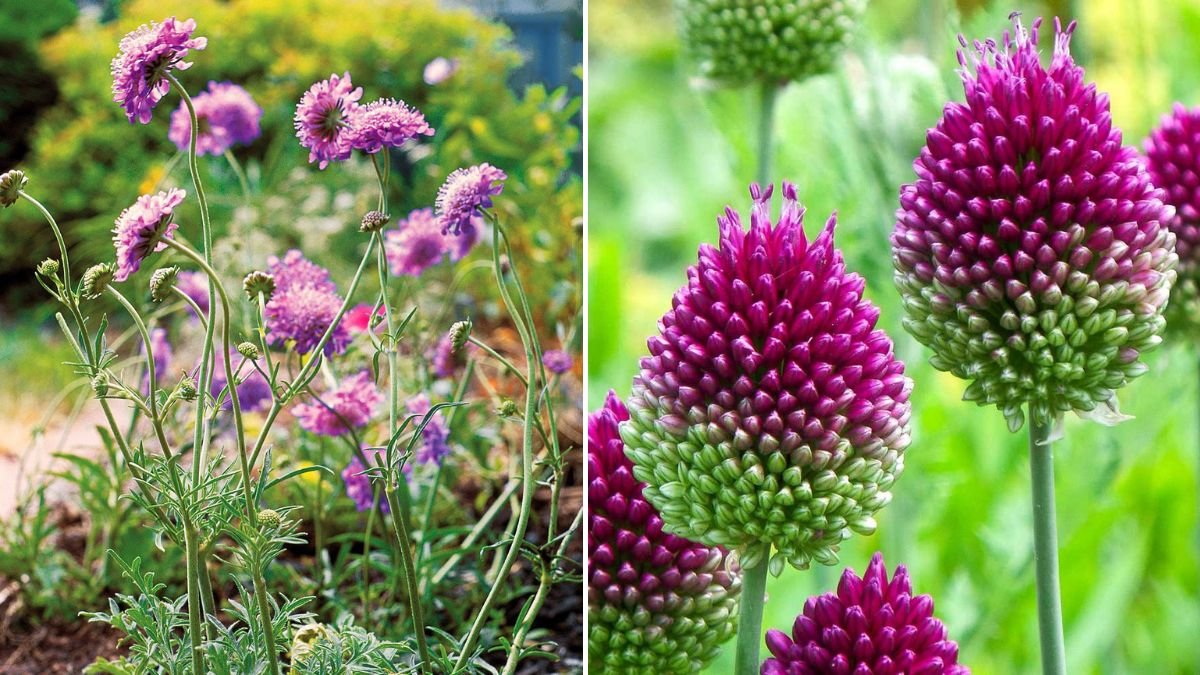
Every gardener dreams of a garden full of color from spring through fall. While some flowers bloom briefly, others can provide continuous beauty, filling your garden with vibrant petals for months. Choosing the right varieties and understanding their care is key to nonstop blooms.
In this guide, we’ll explore 7 flowers that keep your garden blooming, provide tips on planting and maintenance, and show how to create a landscape that stays colorful throughout the season.
Why Some Flowers Bloom Longer Than Others
Not all flowers are created equal when it comes to bloom duration. Some factors that affect how long a flower lasts include:
- Plant Genetics: Certain species naturally bloom for weeks or months.
- Environmental Conditions: Sunlight, soil quality, and temperature influence bloom cycles.
- Pruning and Deadheading: Removing spent flowers encourages new blooms.
- Water and Nutrient Availability: Consistent care ensures plants have energy to produce more flowers.
By selecting long-blooming varieties and providing the right care, you can enjoy continuous color in your garden.
1. Lantana (Lantana camara)
- Bloom Time: Spring through fall
- Color Options: Red, orange, yellow, pink, purple, and multi-colored clusters
- Care Tips: Lantana thrives in full sun and well-draining soil. Prune regularly to maintain shape and encourage new blooms.
- Wildlife Benefit: Attracts butterflies and hummingbirds, making your garden lively.
Lantana’s ability to bloom almost nonstop makes it a favorite for sunny borders and container gardens.
2. Zinnia (Zinnia elegans)
- Bloom Time: Early summer until the first frost
- Color Options: Bright reds, pinks, oranges, yellows, and whites
- Care Tips: Plant in full sun with well-draining soil. Deadhead spent flowers to promote continuous blooming.
- Extra Tip: Zinnias are excellent cut flowers, keeping your indoor arrangements colorful too.
Zinnias are low-maintenance, long-blooming annuals perfect for vibrant garden beds.
3. Marigold (Tagetes spp.)
- Bloom Time: Late spring through frost
- Color Options: Golden yellow, orange, red, and bi-colors
- Care Tips: Marigolds prefer full sun and well-draining soil. Remove faded flowers to encourage nonstop blooms.
- Extra Benefit: Natural pest deterrent; they repel certain insects from nearby vegetables.
Marigolds are ideal for gardeners seeking low-effort, long-lasting color.
4. Salvia (Salvia splendens)
- Bloom Time: Late spring through fall
- Color Options: Red, purple, blue, pink
- Care Tips: Full sun and moderately fertile soil work best. Trim spent flower spikes to prolong blooming.
- Wildlife Benefit: Pollinators love salvia, making your garden a haven for bees and hummingbirds.
Salvia adds vertical interest and long-lasting color to flower beds and borders.
5. Petunia (Petunia × hybrida)
- Bloom Time: Late spring to first frost
- Color Options: Almost every color imaginable—single or multi-colored blooms
- Care Tips: Plant in full sun; water regularly; remove spent flowers to stimulate new growth.
- Extra Tip: Trailing varieties are perfect for hanging baskets or window boxes.
Petunias are among the most versatile, nonstop-blooming annuals for both containers and garden beds.
6. Black-eyed Susan (Rudbeckia hirta)
- Bloom Time: Mid-summer to early fall
- Color Options: Bright yellow petals with dark centers
- Care Tips: Full sun and well-drained soil; deadhead to encourage continued flowering.
- Wildlife Benefit: Attracts bees and butterflies; seeds feed birds in fall.
Black-eyed Susans offer long-lasting, cheerful color for borders and naturalized gardens.
7. Coneflower (Echinacea purpurea)
- Bloom Time: Early summer through fall
- Color Options: Shades of purple, pink, white, and yellow
- Care Tips: Full sun; tolerates poor soil; remove spent blooms to encourage new flowers.
- Wildlife Benefit: Pollinators love coneflowers, and seeds provide food for birds late in the season.
Coneflowers are hardy, long-blooming perennials that add height and texture to garden beds.
Tips for Keeping Flowers Blooming Longer
- Deadheading: Regularly remove spent blooms to redirect energy into new flower production.
- Fertilize Properly: Use a balanced or bloom-boosting fertilizer every few weeks during the growing season.
- Provide Adequate Water: Keep soil consistently moist but avoid overwatering, which can lead to root rot.
- Ensure Sunlight Needs Are Met: Most long-blooming flowers thrive in full sun; check specific requirements for each plant.
- Monitor for Pests and Diseases: Healthy plants bloom longer; address pests or fungal issues promptly.
- Mulching: Mulch helps maintain soil moisture and temperature, encouraging steady growth.
- Pruning and Pinching: For some varieties, pinching tips encourages bushier growth and more blooms.
By combining these practices with the right plant selection, your garden can stay colorful and vibrant all season.
Creating a Nonstop Bloom Garden
- Layer Plants by Bloom Times: Combine early, mid, and late-season bloomers for continuous color.
- Mix Annuals and Perennials: Use annuals for bright, nonstop blooms and perennials for structure and long-term color.
- Use Containers Strategically: Trailing and compact varieties can fill spaces in hanging baskets, window boxes, or patio planters.
- Attract Pollinators: Bees, butterflies, and hummingbirds help improve flowering and seed production.
A well-planned layout ensures consistent color and life in your garden from spring through fall.
Conclusion
By planting these 7 nonstop-blooming flowers—lantana, zinnia, marigold, salvia, petunia, black-eyed Susan, and coneflower—you can enjoy a garden full of color for months. Combining the right care, deadheading, watering, and fertilization practices with thoughtful garden design ensures your plants stay vibrant, healthy, and in bloom all season long.
With these strategies, your garden will be a continuous display of blossoms, attracting pollinators and delighting the eyes from early spring to the first frost.