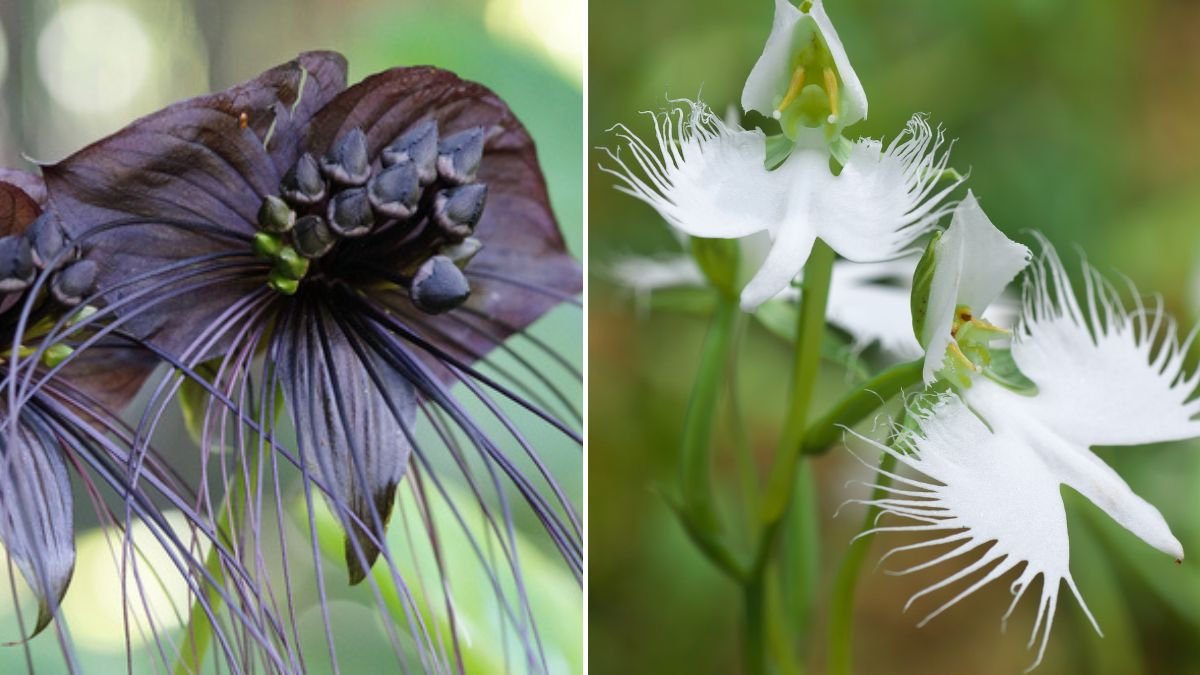
Flowers are more than just beautiful garden decor or a way to brighten a room—they have fascinating histories and surprising origins that many gardeners never imagine. Some of the blooms we associate with modern gardens have exotic roots, unusual historical uses, or traveled across continents to become household favorites.
Understanding the origins of popular flowers can deepen your appreciation for them, inspire your gardening choices, and even guide how you care for them. In this guide, we’ll explore the surprising backstories of some of your favorite flowers and how their history influences how they grow and bloom today.
Why Knowing Flower Origins Matters
- Cultural Significance: Many flowers have been cultivated for ceremonial, medicinal, or decorative purposes for centuries.
- Growth Insights: Knowing where a plant originates helps you replicate ideal growing conditions.
- Gardening Appreciation: Understanding a flower’s story adds a layer of enjoyment to planting and nurturing it.
Some flowers we take for granted have traveled thousands of miles, been selectively bred over centuries, or even served as status symbols in ancient societies.
1. Tulips: From Wild Plants to Symbol of Wealth
- Origin: Central Asia, particularly Kazakhstan
- Surprising Fact: Tulips were originally wildflowers in the mountains and steppes of Central Asia.
- Cultural Impact: Introduced to the Netherlands in the 16th century, tulips sparked “tulip mania”, one of the first recorded economic bubbles.
- Gardening Insight: Tulips thrive in well-drained soil with a period of cold dormancy—conditions similar to their native steppes.
Tulips have gone from modest wildflowers to iconic symbols of luxury and beauty, showing how far a flower can travel in culture and geography.
2. Roses: More Than Just Romance
- Origin: Asia, particularly China, but some species native to Europe and the Middle East
- Surprising Fact: Roses were used as medicinal plants, in perfumes, and even in ancient food recipes long before becoming symbols of love.
- Cultural Impact: Each region selectively bred roses for color, fragrance, and size, giving rise to the modern hybrid tea roses we know today.
- Gardening Insight: Understanding their Asian origins helps explain why roses need sunlight, fertile soil, and good air circulation.
Roses remind us that beauty often has practical roots—from healing remedies to culinary uses.
3. Sunflowers: North America’s Golden Giants
- Origin: North America, cultivated by Native Americans
- Surprising Fact: Sunflowers were first domesticated for food, oil, and dye, not ornamental purposes.
- Cultural Impact: They spread globally after European colonization and became iconic symbols of summer and sunshine.
- Gardening Insight: Sunflowers thrive in full sun and well-drained soil, reflecting their prairie origins.
Next time you admire a towering sunflower, remember its history as a vital crop and a source of sustenance for early civilizations.
4. Orchids: From Rainforests to Living Rooms
- Origin: Tropical Asia, South America, and Africa
- Surprising Fact: Orchids were once considered rare luxury items for collectors and royalty due to their exotic origins and difficulty in cultivation.
- Cultural Impact: They symbolize love, elegance, and refinement worldwide.
- Gardening Insight: Orchids need well-draining, airy growing media and consistent humidity, mimicking their rainforest environment.
Orchids show how a plant from remote jungles can become a beloved indoor treasure with the right care.
5. Lilies: Ancient Beauty Across Continents
- Origin: Europe, Asia, and North America
- Surprising Fact: Lilies were often associated with religious and cultural rituals, especially in Europe and the Middle East.
- Cultural Impact: Lilies symbolize purity, renewal, and honor, appearing in art, literature, and ceremonial spaces for centuries.
- Gardening Insight: Lilies prefer well-drained soil and sunny conditions, reflecting their adaptation to diverse temperate regions.
Lilies combine ornamental beauty with deep cultural resonance, making them a classic choice in formal and informal gardens alike.
6. Poppies: From Medicinal Plant to Garden Showstopper
- Origin: Europe and Western Asia
- Surprising Fact: Poppies were initially cultivated for their medicinal properties, including pain relief and sleep aids.
- Cultural Impact: Beyond their practical use, they became symbols of remembrance and resilience, particularly red poppies.
- Gardening Insight: Poppies thrive in well-draining soil and sunny conditions, mirroring the open fields where they were first cultivated.
Poppies are a reminder that many flowers we grow for beauty had practical beginnings.
7. Marigolds: A Journey Across the Americas
- Origin: Mexico and Central America
- Surprising Fact: Marigolds were sacred to the Aztecs, used in rituals, medicine, and dyeing fabrics.
- Cultural Impact: They are still important in celebrations like Día de los Muertos, honoring ancestors with vibrant blooms.
- Gardening Insight: Marigolds thrive in full sun and moderately fertile soil, reflecting their origin in warm, sunny climates.
Marigolds illustrate how cultural traditions can preserve a plant’s significance while spreading it worldwide.
8. Peonies: From Ancient Gardens to Modern Bouquets
- Origin: China and parts of Europe
- Surprising Fact: Peonies were cultivated for medicinal purposes and ornamental gardens over 2,000 years ago.
- Cultural Impact: In China, peonies symbolize wealth, honor, and beauty, making them a prominent feature in imperial gardens.
- Gardening Insight: Peonies prefer well-drained soil, full sun, and cool winters, reflecting their temperate origins.
Peonies remind us that flowers can carry centuries of symbolism and tradition into our gardens today.
9. Daffodils: Bright Symbols of Renewal
- Origin: Europe, particularly the Mediterranean region
- Surprising Fact: Early daffodils were naturalized in fields and meadows before being selectively bred for garden use.
- Cultural Impact: They symbolize renewal, hope, and new beginnings, often associated with spring festivals.
- Gardening Insight: Daffodils thrive in well-drained soil with full to partial sun, reflecting their natural meadow habitats.
Daffodils are a perfect example of a flower that started wild and became symbolic, adding both color and meaning to gardens.
10. Hydrangeas: Exotic Yet Familiar
- Origin: Japan, China, and Korea
- Surprising Fact: Hydrangeas were brought to Europe in the 18th century and were initially considered exotic curiosities.
- Cultural Impact: They are popular for ornamental landscaping due to large, showy blooms and versatility.
- Gardening Insight: Hydrangeas prefer moist, well-drained soil and partial shade, reflecting their woodland origins.
Hydrangeas demonstrate how plants can transition from exotic specimens to staple garden favorites with the right care.
How Flower Origins Influence Gardening Practices
Knowing a flower’s origins helps you recreate ideal growing conditions, ensuring healthy growth and abundant blooms. Consider:
- Light Requirements: Flowers from tropical regions often need bright, indirect light.
- Soil Type: Native soil conditions can guide your garden’s soil preparation.
- Watering Needs: Plants from arid regions are drought-tolerant, while rainforest natives need consistent moisture.
- Temperature Tolerance: Understanding their native climate helps prevent frost damage or overheating.
By respecting these natural origins, gardeners can maximize bloom quality and plant health.
Conclusion
Many of the flowers we cherish in modern gardens have surprising and fascinating origins. From tulips’ journey from Central Asia to the Netherlands, to marigolds’ sacred role in Aztec culture, each plant carries a story that enriches its beauty. By learning where flowers come from and understanding their native environments, gardeners can better care for them, replicate ideal growing conditions, and appreciate their cultural significance.
The next time you plant roses, peonies, or sunflowers, remember: these blooms are more than just decoration—they are living pieces of history, carrying centuries of culture, symbolism, and natural adaptation right into your backyard.